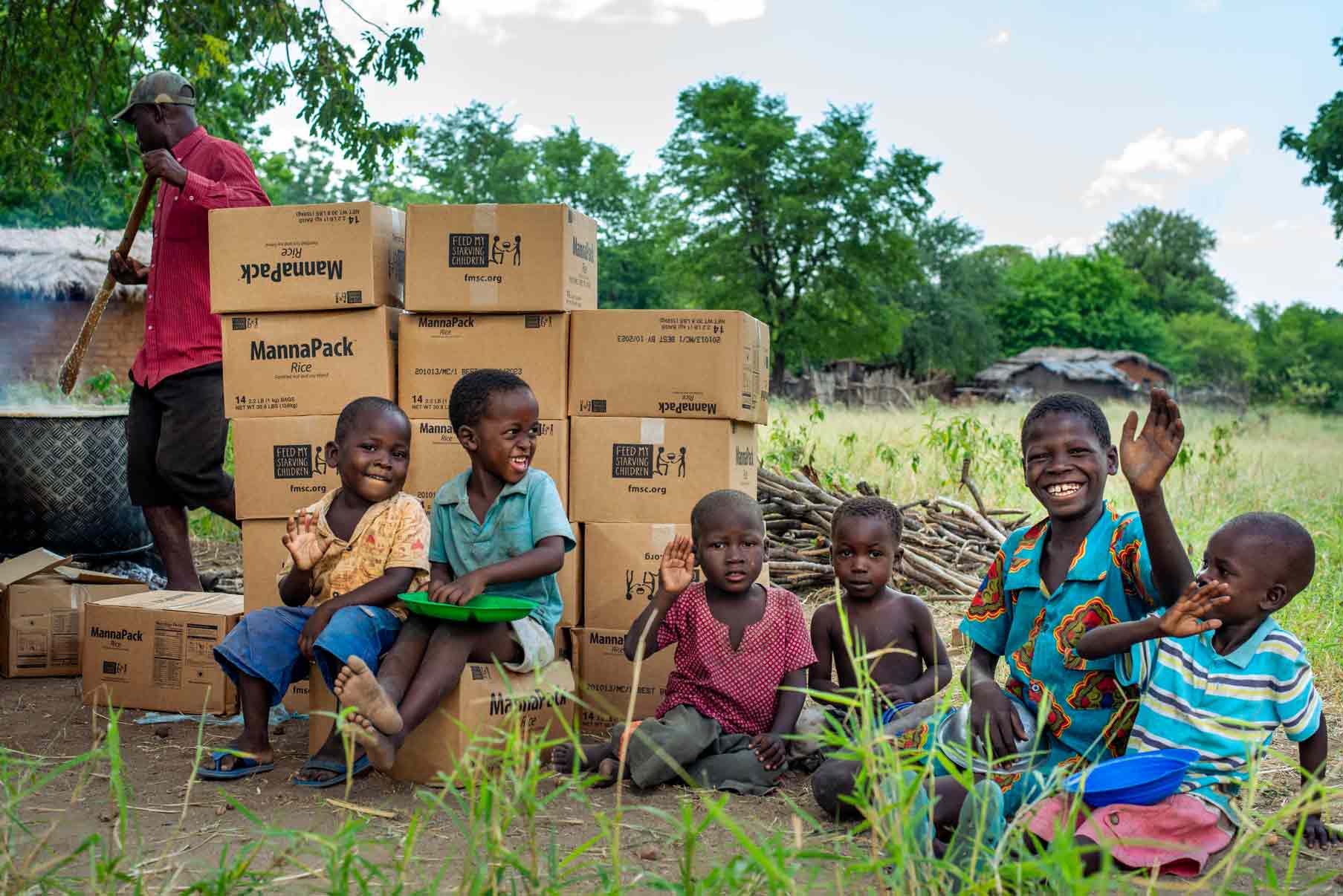
The economic pressures on families in many countries are rising, leading to an increased need for humanitarian assistance. Under the current circumstances, aid has become an urgent necessity to face the daily challenges citizens encounter.
Reports indicate that economic crises, such as inflation and rising food prices, have exacerbated living conditions. This situation calls for a swift response from governments and humanitarian organizations to provide the necessary support to affected families.
Event Details
In many countries, especially those suffering from political and economic crises, the number of families in need of assistance has increased. According to reports from international organizations, more than 60% of families in some areas are struggling to secure their basic needs.
The assistance provided includes food, clothing, healthcare, as well as psychological and social support. Humanitarian organizations strive to deliver this aid quickly and effectively, but logistical challenges remain.
Background & Context
Historically, many Arab countries have experienced recurring economic crises, leading to increased poverty and unemployment. Political crises, such as armed conflicts, have also contributed to the deterioration of economic conditions and the growing need for aid.
In recent years, the severity of these crises has intensified due to the impacts of the COVID-19 pandemic, which led to the closure of many businesses and increased unemployment rates. This situation has made many families increasingly reliant on humanitarian assistance to survive.
Impact & Consequences
Economic pressures affect all aspects of life, including mental and social health. Studies indicate that families experiencing financial stress are subjected to higher levels of stress and anxiety, which affects their quality of life.
Moreover, the inability to meet basic needs can lead to the spread of diseases and increased crime rates. Therefore, providing assistance is not only a humanitarian necessity but also an investment in the stability of communities.
Regional Significance
Humanitarian aid is a crucial part of the response to crises in the Arab region. With the increasing need, Arab countries must cooperate with international and local organizations to ensure the necessary support is provided.
These conditions also require raising awareness about the importance of providing aid and promoting a culture of solidarity among communities. The more efforts made, the better the chances of improving the living conditions of affected families.
In conclusion, amid difficult economic conditions, humanitarian assistance remains an urgent necessity. Everyone, from governments to organizations and individuals, must work together to provide support to needy families to ensure a dignified life for all.