Concerns about global energy supplies are escalating amid ongoing tensions in the Strait of Hormuz, one of the world's most critical waterways. Experts indicate that these concerns could lead to rising prices and increased reliance on strategic reserves, making energy markets more susceptible to fluctuations.
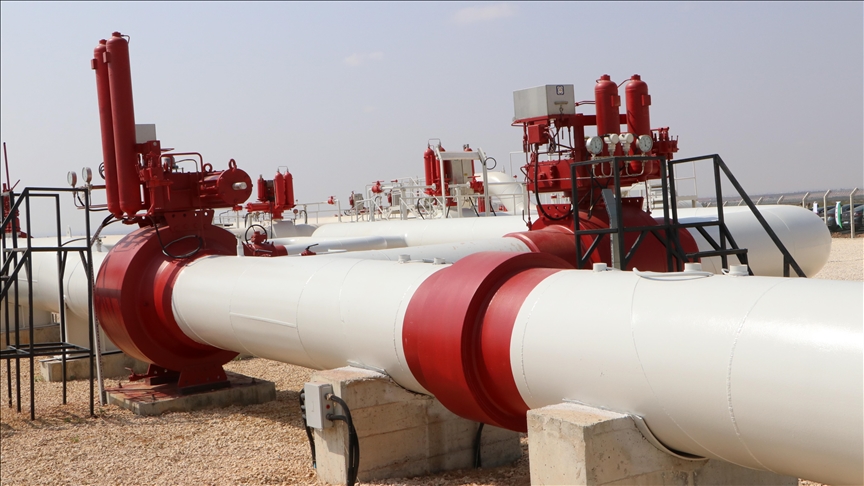
In this context, the importance of pipeline alternatives, including those that pass through Turkey, emerges as a strategic option to mitigate risks associated with energy supplies. As tensions in the region persist, it becomes essential to explore new ways to ensure supply stability.
Details of the Event
Pipelines that traverse Turkey are considered attractive options for many oil-exporting countries, providing alternative routes for exporting oil and gas to European and Asian markets. However, these alternatives face significant challenges, including the need for substantial investments in infrastructure and the development of political relations with neighboring countries.
Global energy markets are under increasing pressure, with forecasts suggesting that prices may remain high due to ongoing supply risks. Some experts have noted that growing reliance on strategic reserves may not be sufficient to address these challenges, necessitating the search for innovative solutions.
Background & Context
Historically, the Strait of Hormuz has played a pivotal role in transporting oil and gas from the Gulf region to global markets. Approximately 20% of total global oil supplies pass through this strait, making it a sensitive point in the geopolitical landscape of energy. As tensions escalate among major powers in the region, it has become imperative to consider alternatives to ensure supply stability.
Additionally, shifts in global policies, such as the transition towards renewable energy, may impact future demand for oil and gas. Nevertheless, oil continues to play a fundamental role in the global economy, making the search for effective alternatives essential.
Impact & Consequences
Forecasts indicate that the continuation of risks associated with the Strait of Hormuz may lead to price increases, affecting the global economy as a whole. Consumer countries may be compelled to seek alternative energy sources, potentially resulting in changes in market dynamics.
Moreover, increased reliance on strategic reserves may create additional pressures on governments, as they must make difficult decisions regarding how to manage these reserves under changing circumstances.
Regional Significance
Arab oil-producing countries, such as Saudi Arabia and Iraq, are among the most affected by changes in global energy markets. Amid ongoing risks associated with the Strait of Hormuz, these countries may find themselves needing to reassess their energy strategies.
Furthermore, regional tensions may lead to increased cooperation among Arab countries in the energy sector, contributing to enhanced regional energy security.
In light of the growing challenges facing global energy markets, it is crucial to consider effective alternatives to ensure supply stability. The search for new ways to secure energy may be key to addressing future risks.