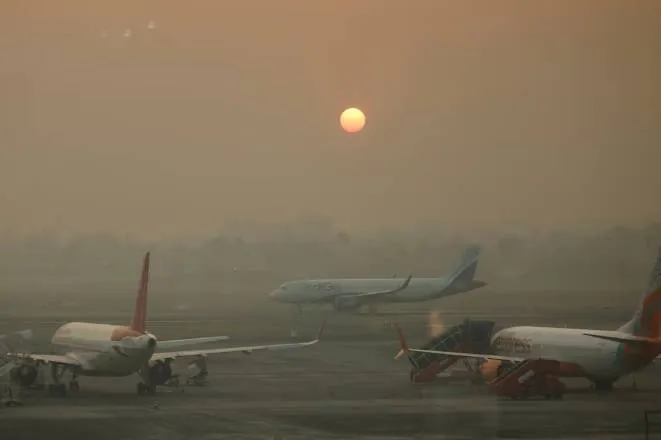
Fuel retail companies in India raised the prices of aviation fuel and commercial liquefied petroleum gas (LPG) on Wednesday, following a sharp increase in global prices due to the ongoing conflict in the Middle East. This increase comes at a time when India, the world's second-largest importer of LPG, is facing its worst gas crisis in decades.
Data showed that fuel companies raised aviation fuel prices by 8.6%, bringing the price to 104.927 Indian Rupees per kiloliter, while the price of commercial LPG saw an increase of 10.4%, reaching 2,078.50 Indian Rupees for a 19-kilogram cylinder in the capital, New Delhi. This increase comes as the Indian government seeks to protect households from gas shortages, having reduced supplies to industries.
Details of the Event
As part of its efforts to address the gas crisis, the Indian government has increased daily domestic production of LPG by 40%, reaching 50,000 metric tons, while the daily requirement stands at 80,000 tons. India has also secured 800,000 tons of gas shipments from the United States, Russia, Australia, and other countries. According to the ministry, consumption of commercial cylinders, used in industries and hotels, does not exceed 10% of total gas consumption, while prices for domestic gas cylinders remain stable to protect consumers.
It is noteworthy that India consumed 33.15 million metric tons of LPG last year, relying on imports to meet about 60% of its needs, with 90% of these imports coming from the Middle East. Meanwhile, the government is trying to balance global prices and consumer protection.
Context and Background
This price increase comes at a sensitive time, as tensions in the Middle East escalate, directly impacting global energy prices. The U.S.-Israeli war on Iran has led to a sharp rise in oil and gas prices, affecting global markets. India, which heavily relies on gas imports, finds itself in a difficult position that requires swift measures to maintain local market stability.
Historically, India has depended on importing gas from Middle Eastern countries, making it vulnerable to political and economic fluctuations in that region. As conflicts escalate, concerns about supply shortages and rising prices increase, putting additional pressure on the Indian economy.
Implications and Effects
This increase in fuel prices is expected to affect transportation and travel costs within India, potentially leading to higher prices for goods and services. Additionally, rising gas prices may impact industrial sectors that rely on gas as a key input, potentially leading to a slowdown in economic growth.
At the same time, this increase may exacerbate the energy crisis in India, as the government seeks to balance protecting households with meeting industrial needs. Continued price hikes may also increase pressure on the government to provide greater support to consumers.
Impact on the Arab Region
India is one of the largest gas importers in the world, making it a significant player in the global energy market. Any changes in India's policies or fluctuations in gas prices could directly affect exporting countries in the Arab region, especially those that rely on gas exports to meet their economic needs.
As conflicts in the Middle East continue, pressures may mount on Arab countries to secure gas supplies, which could affect global prices. It is crucial for Arab nations to monitor developments in the Indian market and their impact on their economies.
In conclusion, these events reflect the challenges India faces amid the current geopolitical conditions and highlight the importance of sustainable energy strategies to ensure local market stability.