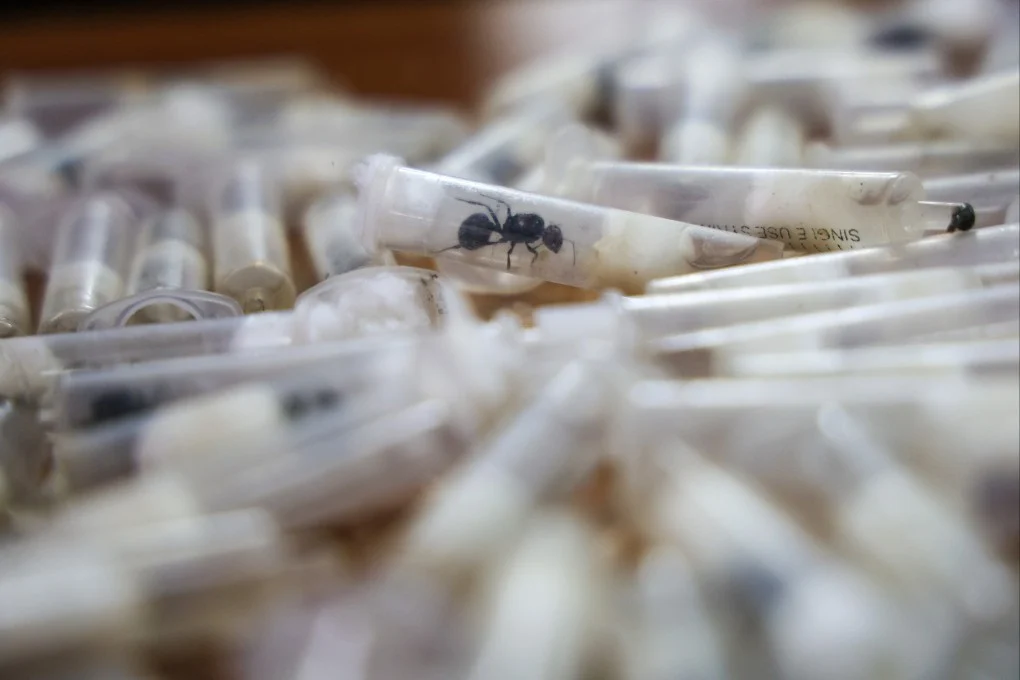
East Africa is experiencing a rising trend in ant smuggling, as these insects, often deemed unwelcome, have garnered international attention. In early March, Chinese national Chang Qiukun was apprehended at Jomo Kenyatta International Airport in Nairobi, Kenya, carrying over 2,200 queen ants in his luggage. This incident reflects the growing demand for ants in global markets, posing a threat to biodiversity in the region.
Simultaneously, Thai authorities managed to seize a shipment of ants that had been sent from the Kenyan city of Mombasa, underscoring the extent of this phenomenon. The demand for ants, especially royal species, is increasing in China and Europe, where they are used in scientific research and environmental experiments.
Details of the Incident
Insects are a crucial part of the ecosystem, playing an important role in ecological balance. However, illegal ant smuggling can lead to the degradation of these systems. In the case of Chang Qiukun, he was arrested after raising suspicions due to his unusual behavior at the airport, which led to a search of his luggage and the discovery of the ants.
Reports indicate that organized smuggling networks are operating in East Africa, targeting rare ant species, which heightens concerns about the impact on local ecosystems. These illegal activities necessitate a response from local and international governments to protect biodiversity.
Background & Context
Historically, insects have been considered part of daily life in many cultures, but the increasing demand for rare species in global markets has led to the emergence of black markets. In recent years, illegal commercial activities related to insects have surged, raising alarms among scientists and environmentalists.
Kenya is one of the countries rich in biodiversity, yet it faces significant challenges due to illegal commercial activities. Ant smuggling is just a part of a larger problem concerning wildlife trafficking, which also includes rare animals and plants.
Impact & Consequences
The implications of ant smuggling extend beyond environmental impact, as these activities can lead to species loss and ecosystem degradation. There are also potential health risks associated with the transfer of exotic species, which may carry diseases or parasites that affect local species.
This phenomenon requires a response from governments and international bodies, as laws regarding wildlife protection must be strengthened and strictly enforced. Additionally, public awareness about the importance of preserving biodiversity should be increased.
Regional Significance
Although this phenomenon is occurring in East Africa, it has repercussions for the Arab region. Biodiversity is an essential part of the Arab environment, and any threat to it can impact food and environmental security in the region. Moreover, illegal wildlife trafficking represents a shared challenge between Arab and African countries.
In conclusion, coordinated efforts are needed to protect biodiversity worldwide, including in East Africa and the Arab region, to ensure a sustainable future for generations to come.