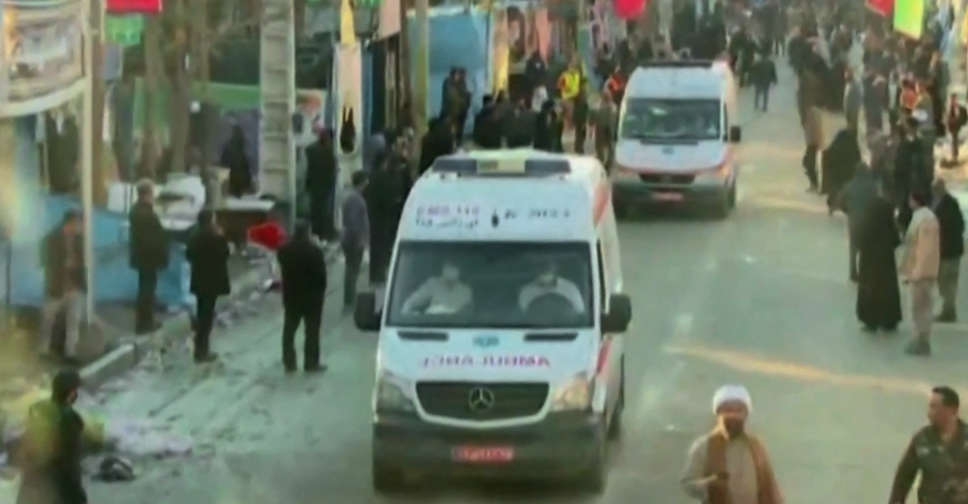
The UAE Ministry of Defense has reported a rise in the number of injured due to recent attacks in the country to 217 individuals, with injuries affecting citizens from several nations, including Russia. This development reflects the escalating tensions in the Middle East region. These injuries were recorded following a series of attacks targeting the UAE, raising international concerns about the security situation in the area.
According to official data, the UAE's air defenses have successfully intercepted 498 ballistic missiles, 23 guided missiles, and 2,141 drones since the onset of the conflict in the region. This performance showcases the UAE's capability to protect its territory and citizens under the current circumstances.
Details of the Incident
The injuries were distributed among citizens of various nationalities, including Emirati, Egyptian, Sudanese, Ethiopian, Filipino, Pakistani, Iranian, Indian, Bangladeshi, Sri Lankan, Azerbaijani, Yemeni, Ugandan, Eritrean, Lebanese, Afghan, Bahraini, Comorian, Turkish, Iraqi, Nepalese, Nigerian, Omani, Jordanian, Palestinian, Ghanaian, Indonesian, Swedish, Tunisian, Moroccan, and Russian nationals. These attacks also resulted in the deaths of two Emirati soldiers, a Moroccan civilian employee, and 10 civilians of various nationalities.
These events occur within the context of escalating tensions in the Middle East, where recent months have seen an increase in reciprocal attacks between Iran and Israel, further intensifying the security situation in the region.
Background & Context
Historically, the Middle East has witnessed numerous armed conflicts and political strife, which often impact the stability of neighboring countries. Since the beginning of the Iranian-Israeli conflict, attacks have significantly escalated, raising fears of a broader conflict.
In late February, the United States and Israel launched strikes on targets in Iran, including the capital Tehran, resulting in damage and injuries among civilians. Iran retaliated against these strikes by targeting areas in Israel and U.S. military facilities in the region, complicating the situation further.
Impact & Consequences
The repercussions of these attacks extend beyond UAE borders, affecting regional stability and escalating tensions among major powers in the area. These events could lead to changes in the security policies of neighboring countries, potentially impacting relations between Arab states and Iran.
Moreover, the rise in violence may negatively affect foreign investments and tourism in the UAE, which is considered one of the leading tourist destinations in the region. This could result in long-term economic repercussions.
Regional Significance
The recent events in the UAE serve as a testament to the increasing tensions in the Middle East, which may impact other Arab nations. As conflicts escalate, Arab countries may find themselves compelled to adopt more cautious stances in dealing with regional crises.
In conclusion, the situation in the UAE remains under close observation, as the international community seeks peaceful solutions to the escalating conflicts in the region. Maintaining security and stability in the UAE is vital not only for the country itself but for the entire region.