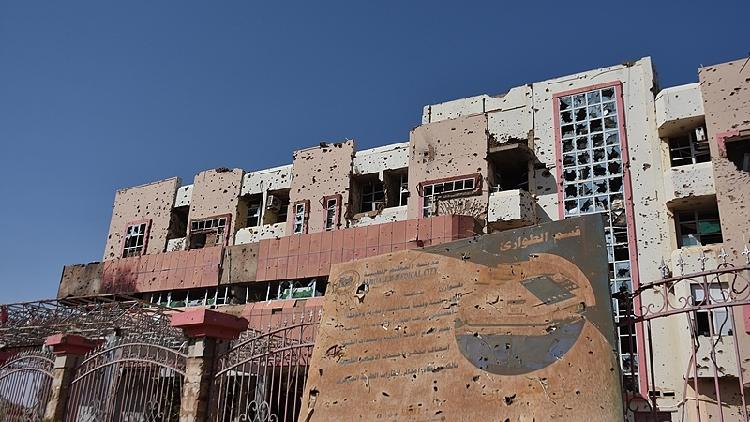
The World Health Organization and UNICEF have issued a warning about the escalating attacks on health facilities in Sudan, where the humanitarian situation continues to deteriorate as the conflict nears its third year. Both organizations confirmed that these attacks are resulting in a rising number of casualties and extensive destruction of medical facilities.
These warnings come at a time when Sudan is suffering from a severe humanitarian crisis, with health services significantly deteriorating due to the ongoing conflict. Reports indicate that many hospitals and health centers have either closed or sustained severe damage from repeated attacks, hindering the provision of essential healthcare to affected populations.
Details of the Incident
Information suggests that attacks on health facilities in Sudan have increased markedly, with numerous incidents targeting hospitals and health centers. These attacks have resulted in loss of life and injuries among many healthcare workers, further straining an already faltering healthcare system.
Such attacks represent a blatant violation of international humanitarian law, which prohibits targeting health facilities. International organizations have called for the protection of healthcare workers and the establishment of a safe environment for them to carry out their humanitarian duties.
Background & Context
Sudan has been experiencing instability since the outbreak of conflict in 2021, which has exacerbated the humanitarian situation in the country. Armed conflicts have impacted all aspects of life, including education, health, and food security. Reports show that over 24 million people in Sudan are in need of humanitarian assistance, making the situation in the country among the worst in the world.
Historically, Sudan has witnessed numerous armed conflicts that have caused significant suffering for its population. However, the current conflict has escalated to unprecedented levels, necessitating an urgent response from the international community to protect civilians and provide necessary assistance.
Impact & Consequences
Estimates indicate that the continued attacks on health facilities will worsen the humanitarian situation, leaving more individuals without access to basic healthcare. Additionally, the destruction of health facilities will increase pressure on the remaining hospitals, potentially leading to a complete collapse of the healthcare system.
Moreover, these conditions could affect the stability of the entire region, as they may lead to an influx of refugees into neighboring countries, thereby increasing the burden on those nations and impacting regional security.
Regional Significance
The situation in Sudan is a matter of concern for Arab countries, as stability in Sudan directly affects regional security. Conflicts in Sudan have influenced relations among Arab nations, with some countries seeking to provide humanitarian aid and political support to resolve the crisis.
In conclusion, the situation in Sudan requires an urgent response from the international community to protect civilians and provide necessary assistance. There must be international pressure on the conflicting parties to cease attacks on health facilities and ensure humanitarian aid reaches those in need.