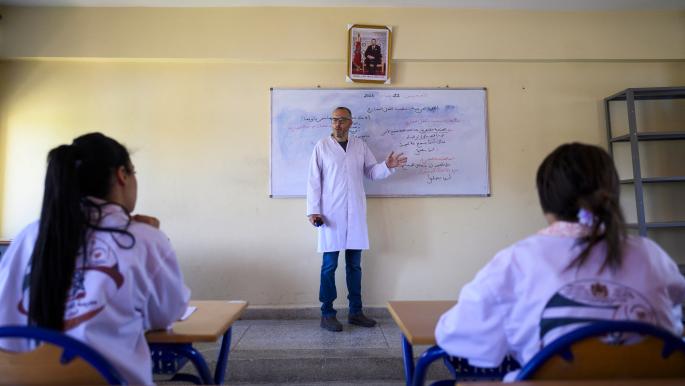
Educational institutions in Morocco are witnessing a significant rise in violence against teaching and administrative staff, raising serious concerns about the future of education in the country. The frequency of these attacks negatively impacts the educational environment and the quality of the learning process.
In recent years, numerous incidents have been reported where teachers and administrators faced physical and psychological assaults. This phenomenon is not new, but it has become more pronounced under current circumstances, necessitating urgent intervention from the relevant authorities.
Details of the Incidents
The forms of assaults faced by teachers vary, ranging from verbal insults to physical attacks. Local reports indicate that some of these incidents occurred in front of students, exacerbating the issue and affecting the students' mental well-being.
These assaults are considered a result of several factors, including social and economic pressures faced by Moroccan society, in addition to the weak protective mechanisms available for teachers. Although there are laws aimed at protecting educators, their enforcement remains weak and ineffective.
Background & Context
Historically, educational institutions in Morocco were regarded as safe havens for learning and education. However, with the increase of violence in society at large, these institutions have begun to suffer negative repercussions. Social factors, such as poverty and unemployment, play a significant role in the proliferation of this phenomenon.
Moreover, societal culture influences how individuals interact with educational staff. At times, assaults are viewed as a means of expressing anger or dissatisfaction, reflecting a lack of awareness regarding the importance of education and the teacher's role in building society.
Impact & Consequences
Repeated assaults on teachers directly affect the quality of education. As fears increase, teachers may hesitate to fully perform their duties, leading to a decline in educational standards. This decline could impact students' futures and increase dropout rates.
Furthermore, this phenomenon may lead to a loss of trust between teachers and students, creating an unhealthy educational environment. The recurrence of these incidents might prompt some educators to consider leaving their profession, further exacerbating the shortage of teaching staff in the country.
Regional Significance
The phenomenon of violence in educational institutions is a common issue in many Arab countries. Numerous nations face similar problems, necessitating collective efforts to devise effective solutions. Improving the educational environment requires collaboration between governments and local communities.
Successful experiences in some Arab countries can serve as a model. Some nations have managed to reduce violence in schools through awareness programs and training for both teachers and students.
In conclusion, the current situation in Morocco calls for urgent measures to protect educational staff and ensure a safe learning environment. A comprehensive response from all stakeholders, including the government and civil society, is essential to guarantee a better future for education in the country.