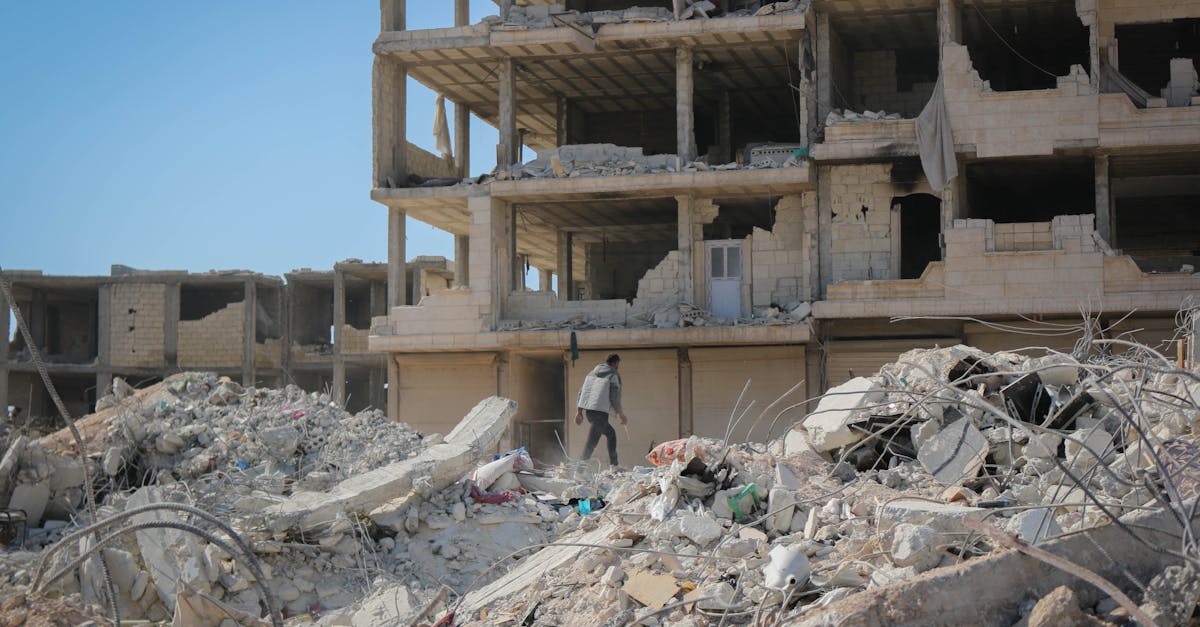
Official Lebanese sources have announced that the death toll in Lebanon due to the recent Israeli airstrikes has risen to 112 people, marking what Lebanese President Joseph Aoun described as 'the largest wave of coordinated attacks' since the conflict began. This escalation comes at a sensitive time, with fears growing over the worsening situation in the region.
In statements made by Aoun, he characterized the attacks as 'barbaric', indicating that these actions represent a 'new massacre' added to a series of assaults the country has faced. These remarks have elicited strong reactions from the international community, with many leaders calling for an immediate cessation of hostilities.
Details of the Attacks
The Israeli airstrikes on Lebanon began late on Tuesday, targeting several areas in the south and north. Images circulated on social media showed extensive destruction of infrastructure and homes, exacerbating the suffering of civilians who are already grappling with the consequences of the ongoing conflict.
Reports also indicated that the strikes targeted sites believed to be affiliated with Hezbollah, reflecting an escalation in the conflict between Israel and Hezbollah, which is considered one of the main actors in Lebanon. Iran, an ally of Hezbollah, has responded with threats of retaliation against these attacks, further complicating the situation in the region.
Background & Context
Historically, Lebanon has witnessed numerous armed conflicts, particularly between Israel and Hezbollah. Since 2006, when the July War broke out, there have been periods of relative calm, but tensions have always simmered beneath the surface. These tensions have flared up again following recent events in Gaza, where the situation has had a direct impact on Lebanon.
The Lebanese-Israeli relations are complex, as the borders between the two countries remain largely undefined, increasing the likelihood of military escalation. Additionally, Hezbollah's presence as an armed force in Lebanon adds another dimension to the conflict, as the party positions itself as a defender of Lebanese sovereignty against Israeli aggression.
Impact & Consequences
Analysts indicate that the current escalation may worsen the humanitarian situation in Lebanon, which is already suffering from a severe economic crisis. With the rising death toll, pressure on the Lebanese government is expected to increase, potentially leading to new protests against the administration.
Furthermore, Iranian threats of retaliation could lead to greater escalation in the region, as other regional powers might intervene in the conflict, complicating the security situation further. This escalation could also impact peace efforts in the area, where attempts have been made to find lasting solutions to the Israeli-Palestinian conflict.
Regional Significance
The events unfolding in Lebanon serve as a critical indicator of rising tensions in the region and may have serious implications for regional security. The potential for further conflict could destabilize neighboring countries and hinder ongoing peace initiatives.
As the situation develops, it remains essential to monitor the responses from both local and international actors, as well as the broader implications for the Middle East's geopolitical landscape.