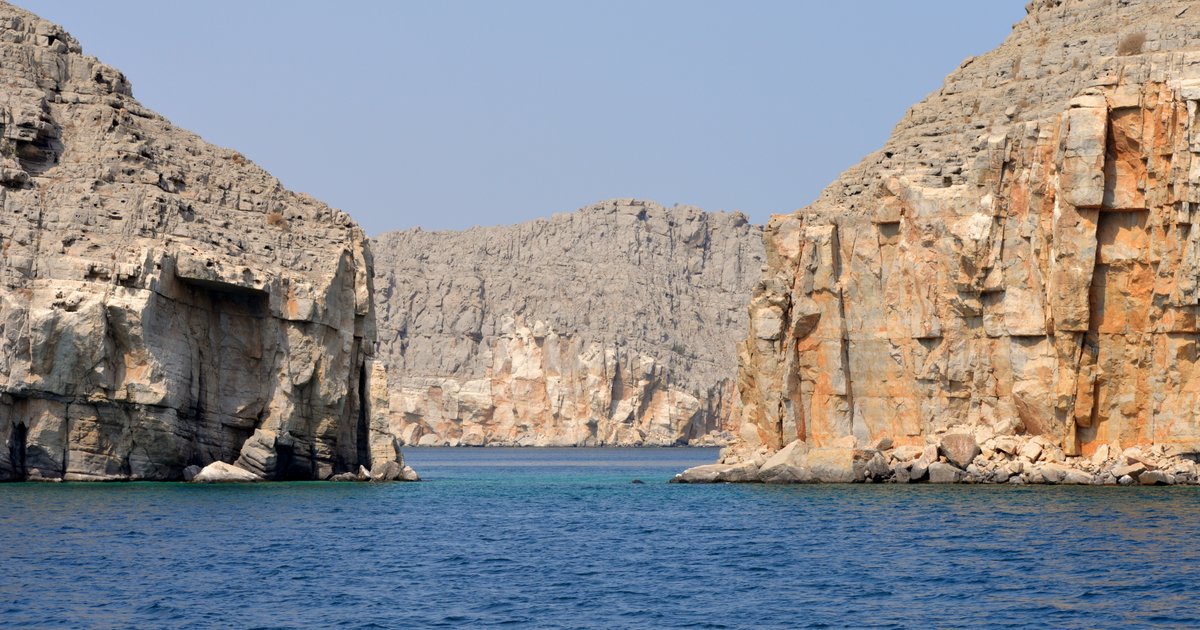
In a move that reflects the geopolitical changes in the region, Qatari ships returned on Monday after being en route to the Hormuz Strait. These developments come at a time when the number of countries receiving permission to transit through this vital waterway, which is one of the most important shipping points in the world, is increasing.
Reports suggest that Iran has begun granting new permits to various countries, opening the door for maritime traffic in the region. The Hormuz Strait is a key transit point for oil and natural gas, with approximately 20% of the world's total oil passing through it.
Details of the Event
Concerns are rising over tensions in the region, especially with the increase in maritime activities. The Qatari ships returned after they had set sail towards the strait, raising questions about the reasons behind this decision. It is believed that Iran seeks to strengthen its relationships with certain countries by allowing them to transit, while being more cautious towards others.
Recent movements indicate that Iran is attempting to use the Hormuz Strait as a tool for political pressure. At the same time, this situation demonstrates how regional tensions impact global trade flows, necessitating close monitoring by the concerned nations.
Background & Context
The Hormuz Strait has a long history of political and military tensions. In recent years, the region has witnessed an escalation in conflicts between Iran and the United States, as well as Gulf countries. This strategic waterway serves as a launch point for many regional conflicts, as Iran seeks to enhance its influence in the area.
In past years, there have been multiple attempts by Iran to assert control over the Hormuz Strait, leading to strong reactions from Western nations. These dynamics directly affect oil prices and global energy markets, making it essential to understand what is happening in this sensitive area.
Impact & Consequences
The repercussions of recent events extend beyond the region, impacting global energy markets. Any change in maritime traffic through the Hormuz Strait could lead to significant fluctuations in oil prices, affecting the global economy. Additionally, these events may reshape regional and international alliances.
If Iran continues to grant new permits to certain countries, this could lead to shifts in the balance of power in the region. Relationships between Arab countries and Iran may also be affected, as some nations might seek to strengthen their ties with Tehran under these new circumstances.
Regional Significance
For Arab countries, the Hormuz Strait is a vital point for transporting oil and gas. Any tension in this area can directly impact the economies of these nations. Therefore, recent events raise significant concerns among Arab countries, as everyone strives to maintain stability in energy markets.
In light of these circumstances, it is crucial for Arab nations to remain in contact and cooperate with one another to address any challenges that may arise due to changes in maritime traffic through the Hormuz Strait. Regional cooperation may be key to maintaining security and stability in the area.