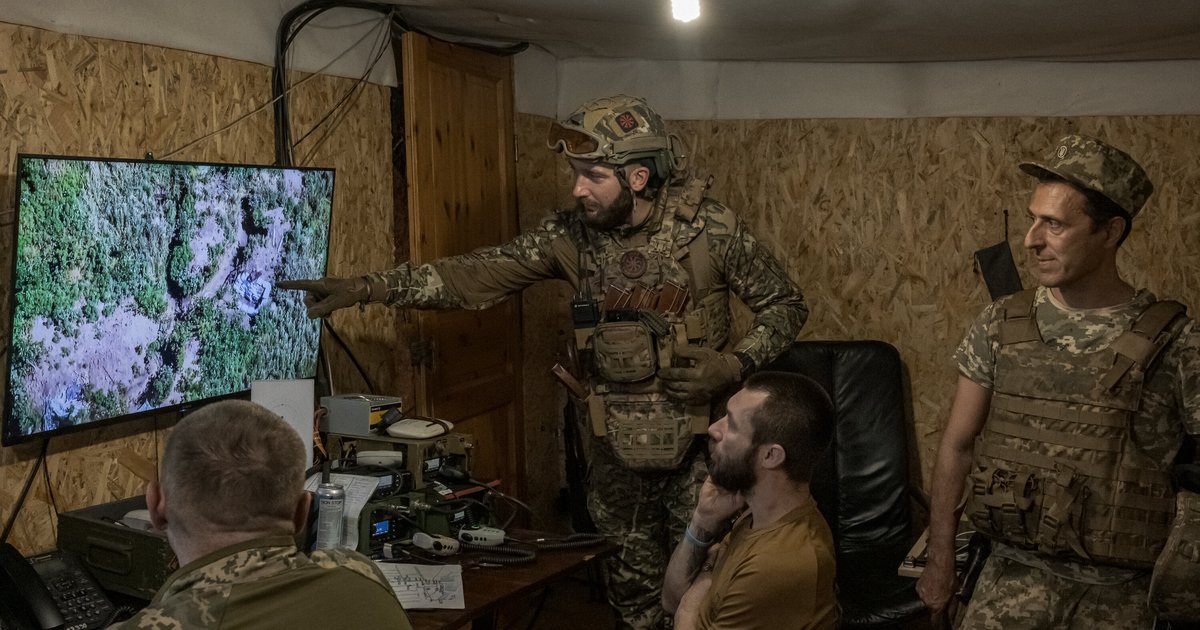
Ukraine is facing a growing crisis within its military, with a report from the Ukrainian Ministry of Defense indicating that approximately 200,000 soldiers have deserted their posts. This situation arises amidst the ongoing war and deteriorating living conditions for the troops, prompting many to abandon their positions.
The number of soldiers leaving their posts is increasing as the prospect of ending the conflict seems to fade. As fighting continues, soldiers feel exhausted and fatigued, making them more susceptible to desertion. This phenomenon reflects a state of frustration and despair among the Ukrainian armed forces.
Details of the Situation
In mid-January, the Ukrainian Ministry of Defense reported that the number of soldiers who have deserted has reached approximately 200,000, a figure that reflects the deteriorating military situation in the country. This large number of defectors raises concerns about the Ukrainian army's ability to continue facing the military challenges posed by the war.
The main reasons for this phenomenon include the lack of permission for soldiers to return home, as well as the uncertainty regarding their military future. Additionally, the psychological and physical pressures faced by soldiers play a significant role in their decision to desert.
Background & Context
Since the beginning of the conflict in Ukraine in 2014, the country has witnessed a rise in military tensions, especially following the Russian intervention. Over time, the war has become more complex, affecting the morale of Ukrainian soldiers. In recent years, many soldiers have been called up for military service, but the poor conditions at the front lines have led to an increase in desertions.
Historically, similar cases have occurred in other wars, where armies around the world have experienced a decline in the number of soldiers due to psychological and economic pressures. This phenomenon is not new, but it requires special attention in the current Ukrainian context.
Impact & Consequences
This phenomenon has negative effects on the Ukrainian army, impacting its ability to carry out military operations effectively. The increase in desertions may also lead to a loss of confidence in military leadership, exacerbating chaos and confusion within the ranks.
Moreover, these conditions may affect international support for Ukraine, as its allies may question the army's ability to continue facing challenges. This could negatively impact the military and economic aid that Ukraine receives.
Regional Significance
The importance of this news is highlighted in the context of international relations, as the conflict in Ukraine has implications for regional and international security. Arab countries, which are closely monitoring the situation, may find themselves in a position that requires them to reassess their security and defense strategies.
Furthermore, the increase in desertions may open the door for further foreign interventions in the conflict, potentially affecting stability in the region. It is crucial for Arab nations to monitor these developments, as regional security is closely linked to events in Ukraine.
The increase in desertions from the Ukrainian army reflects a deep crisis within the armed forces and indicates significant challenges facing the country amidst the ongoing conflict. The current situation requires an effective response from military and political leadership to ensure the stability of the army and improve the living conditions of the soldiers.