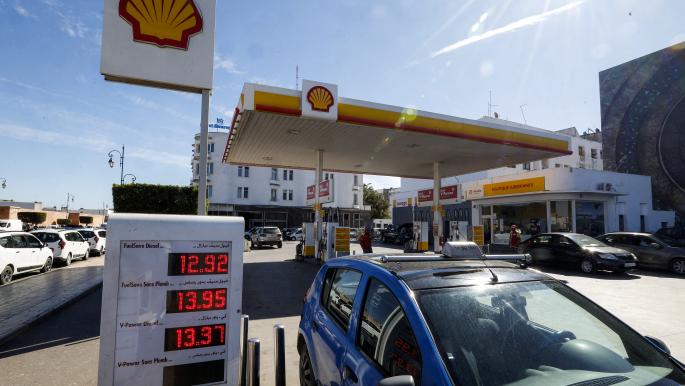
Diesel and gasoline prices in Morocco have recorded a new increase in the retail market, further burdening consumers. This rise comes at a sensitive time, as tensions in the Middle East escalate, raising concerns about its impact on the country's fuel import bill.
Reports indicate that diesel prices have risen by 5%, while gasoline prices have increased by 4%, putting additional pressure on Moroccan families already struggling with rising living costs.
Details of the Price Increase
This is the second increase in fuel prices within a short period, following an earlier rise just weeks ago. This situation has raised concerns among citizens, who believe these increases will affect their purchasing power and raise transportation and essential goods costs.
In light of these circumstances, many Moroccans are questioning the reasons behind these recurring increases, especially given the instability of prices in global markets. The Moroccan government also faces significant challenges in trying to control prices and maintain stability in the local market.
Background & Context
The reasons for these increases stem from several factors, primarily the political and economic turmoil in the Middle East, which directly impacts global oil prices. Additionally, Morocco heavily relies on fuel imports, making it vulnerable to price fluctuations in international markets.
Moreover, global oil prices have seen a noticeable rise in recent months due to increased global demand and geopolitical tensions. This situation adds pressure on the Moroccan government, which seeks to balance supporting citizens while maintaining economic stability.
Impact & Consequences
These increases in fuel prices directly affect transportation costs, which in turn reflects on the prices of goods and services in the market. With rising living costs, citizens face significant challenges in meeting their basic needs.
Furthermore, these increases could lead to higher inflation, putting additional pressure on the Moroccan government. Under these circumstances, the government may have to take urgent measures to mitigate the effects of these increases on citizens, such as providing financial support or reducing fuel taxes.
Regional Significance
These fuel price increases in Morocco are part of a larger phenomenon affecting many Arab countries. As tensions in the Middle East escalate, concerns grow about the impact on the economies of countries that rely on oil imports.
Many Arab countries face similar challenges, as governments strive to balance supporting citizens while maintaining economic stability. In this context, countries may adopt new strategies to address these challenges, including enhancing domestic energy production and diversifying energy sources.
In conclusion, fuel prices in Morocco remain under scrutiny, as citizens look for tangible steps from the government to alleviate the increasing financial burdens. The current situation requires a swift and effective response to ensure market stability and protect citizens from the repercussions of these increases.