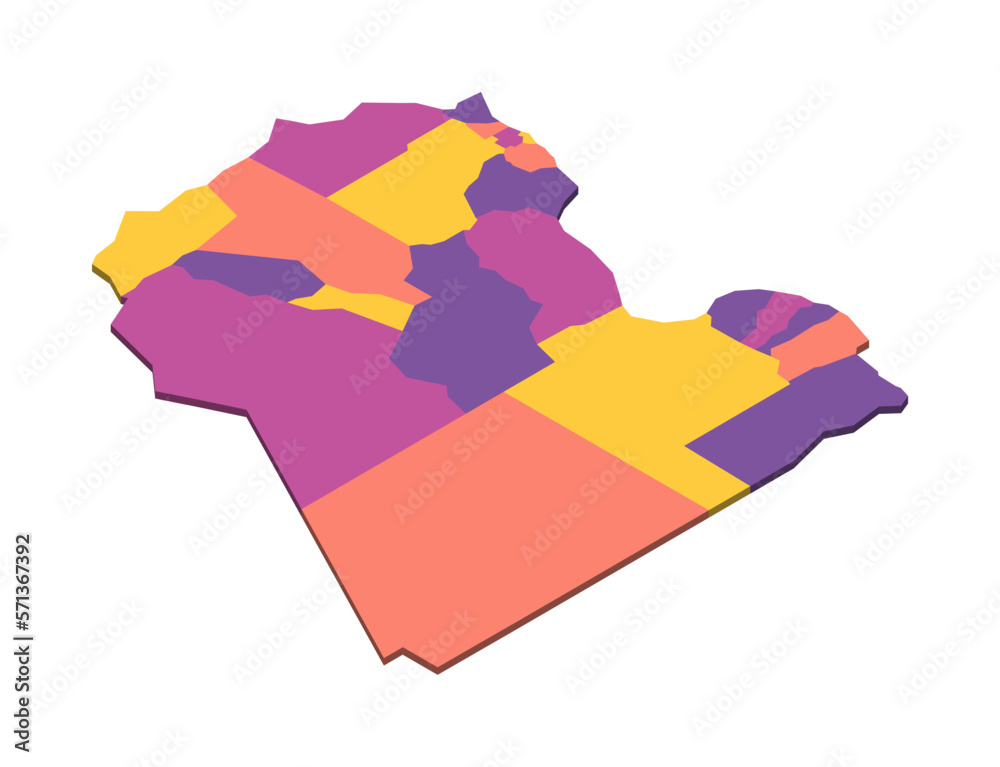
The U.S. plan aimed at unifying the authorities in Libya is encountering increasing difficulties, as divisions have begun to seep into Khalifa Haftar's camp. At the same time, there are growing signs of tensions between the President of the Presidential Council, Mohamed Menfi, and the Prime Minister of the National Unity Government, Abdul Hamid Dbeibeh.
These developments come at a sensitive time, as the United States seeks to support a political process aimed at ending the ongoing chaos in Libya since the ousting of Muammar Gaddafi in 2011. However, internal divisions reflect the complexities of the Libyan political landscape, where multiple forces are competing for power and influence.
Details of the Current Situation
Informed sources have reported that the division within Haftar's camp has intensified, threatening efforts to unify Libyan institutions. There are indications of tensions between Menfi and Dbeibeh, with both sides exchanging accusations regarding the management of the political and economic crises in the country.
This situation arises as Washington aims to enhance stability in Libya by supporting dialogue among the various parties. Nevertheless, these efforts face significant challenges due to the increasing mistrust among the key players in the political scene.
Background & Context
Since the overthrow of Gaddafi, Libya has witnessed multiple conflicts among different factions, leading to a division of the country into competing authorities. In 2020, a ceasefire agreement was signed, raising hopes for the possibility of peace; however, political divisions continue to hinder progress.
The United States is among the countries striving for stability in Libya, having launched several initiatives to support dialogue among the various parties. Nevertheless, internal divisions reflect the substantial challenges facing the political process.
Impact & Consequences
The divisions within Libya's authorities directly affect the international community's efforts to achieve stability. As the divisions intensify, the difficulty of reaching a political consensus that could lead to free and fair elections increases.
Moreover, these divisions may impact the economic situation in the country, as Libya suffers from a severe economic crisis, exacerbating the suffering of citizens and reinforcing instability.
Regional Significance
Libya is a pivotal point in North Africa, and any escalation in the conflict could affect neighboring countries such as Tunisia and Algeria. Additionally, the ongoing chaos in Libya could enhance the activities of extremist groups in the region.
Therefore, the stability of Libya is vital not only for the country itself but also for the entire region, as any negative developments could lead to widespread repercussions.
In light of these circumstances, hope remains pinned on the international community's efforts to achieve consensus among the Libyan parties. However, the increasing challenges make it difficult to predict the country's future.