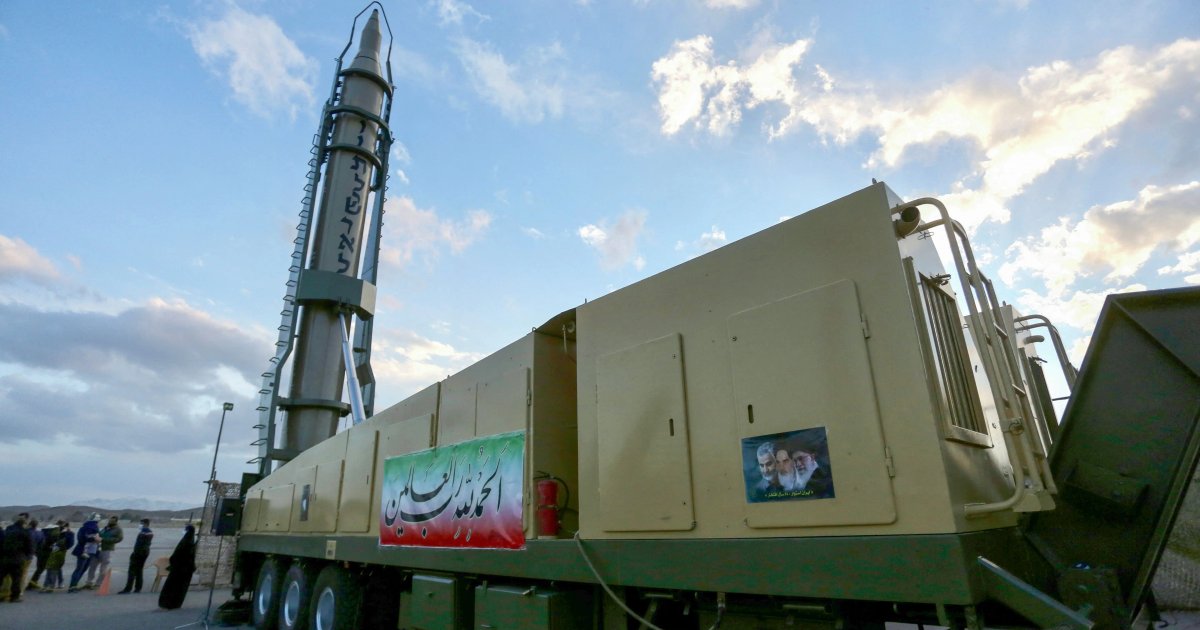
Iran has recently witnessed a notable increase in the number of failed rocket launches, sparking widespread concern about the efficiency of its missile program. This phenomenon is not new, but it has become more pronounced in recent times, necessitating an analysis of the potential reasons behind this trend.
Reports suggest that there are three main factors that may be behind this increase. First, it is attributed to a lack of advanced technology that Iran needs to develop its missiles. Second, there may be issues with the training and qualification of personnel in this field, leading to errors in launch operations. Finally, international sanctions imposed on Iran may have negatively impacted its ability to import the necessary components for missile development.
Details of the Event
In recent years, Iran has conducted several missile tests, but many of them have ended in failure. For instance, in one of the recent tests, Iran failed to launch a long-range missile that was supposed to be capable of reaching targets in distant areas. This failure reflects the technical challenges the country faces in developing effective missile systems.
Concerns are growing that these failures may affect Iran's ability to achieve its military and strategic objectives. Additionally, these failures may create a negative impression of Iran's military strength in front of its adversaries, potentially leading to heightened tensions in the region.
Background & Context
Historically, Iran has always sought to develop a robust missile program as part of its defense strategy. Since the Islamic Revolution of 1979, Iran has invested heavily in enhancing its military capabilities, including ballistic missiles. However, the international sanctions imposed on the country for many years have curtailed its ability to acquire the technology and components necessary for developing these systems.
Moreover, the increasing tensions with the United States and Gulf Arab states have heightened the importance of Iran's missile program. Nevertheless, the rising number of launch failures may weaken Iran's position in international negotiations and increase pressure on it.
Impact & Consequences
The rise in the number of failed launches could have negative implications for regional security. The failure to develop an effective missile program may drive Iran to seek alternative ways to bolster its military strength, such as increasing reliance on armed militias in the region.
These failures may also provide an opportunity for regional adversaries, such as Israel and Saudi Arabia, to enhance their military capabilities in response to the Iranian threat. This situation could lead to a new arms race in the region, increasing the likelihood of military escalation.
Regional Significance
The neighboring Arab countries to Iran, such as Iraq, Syria, and Lebanon, find themselves in a sensitive position due to these developments. Iran's failure to develop an effective missile program could affect the balance of power in the region and increase pressure on Arab governments to confront potential threats.
Ultimately, the current situation in Iran requires close monitoring by the international community, as failures in its missile program could have far-reaching implications for regional and international security.