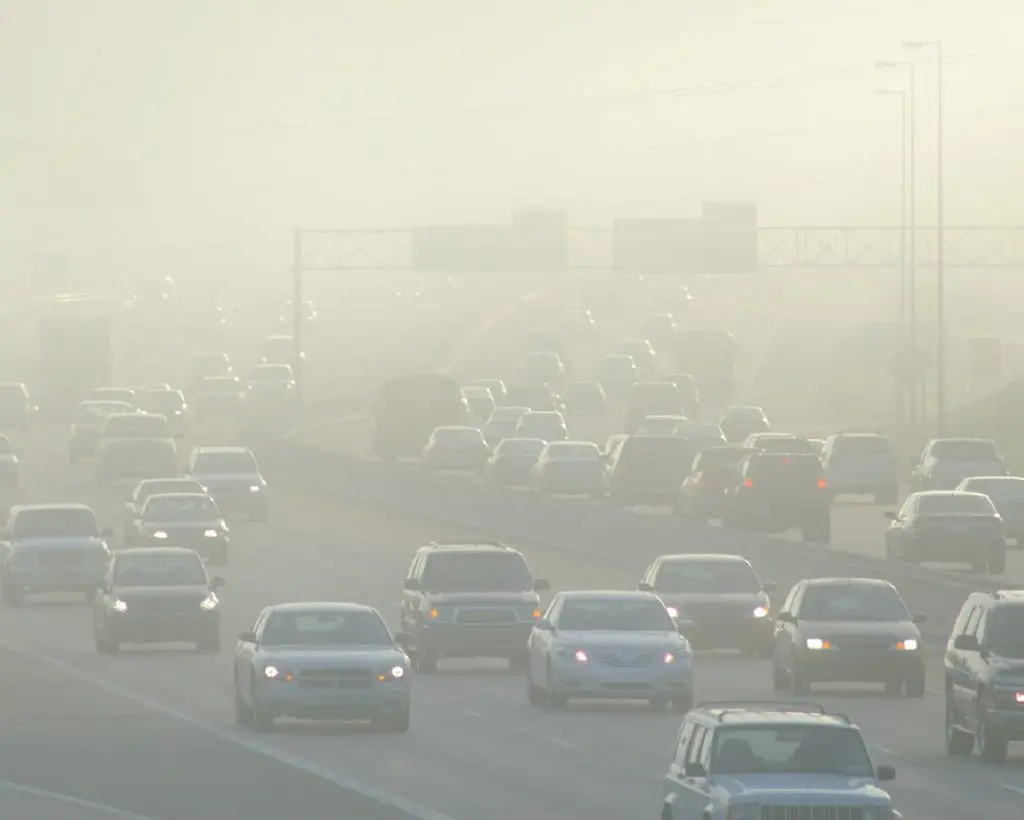
Recently, Singapore has experienced a notable increase in patients suffering from symptoms related to haze, with clinics reporting a rise in cases by as much as 20% over the past three months. Patients are experiencing respiratory problems, along with other symptoms such as itchy eyes and skin issues.
Doctors warn that prolonged exposure to outdoor air may exacerbate existing health conditions, especially among children and the elderly. Hazy conditions have been observed in Singapore's skies in recent weeks, attributed to forest fires in neighboring countries like Malaysia.
Details of the Situation
Clinics in Singapore are recording an uptick in the number of patients presenting with haze-related symptoms. For instance, a clinic in the Yishun area reported a 10% increase in haze-related cases over the past three months. Dr. Gerald Fong, the medical director of the 24-hour Unity Health clinic, stated that most patients are experiencing irritation-related symptoms, such as a runny nose, throat discomfort, coughing, and itchy eyes.
Other doctors have pointed out that haze, which consists of fine particles in the air, can have widespread health effects. Dr. Darrell Peh, a family physician at Salus Medical Clinic, noted that haze particles, especially those below a certain size, can enter the bloodstream and lead to increased blood pressure due to inflammatory responses.
Background & Context
Historically, Singapore has faced haze issues due to forest fires in the region, often resulting from unsustainable agricultural practices. In recent years, this phenomenon has become more frequent, raising concerns among residents and health authorities. The National Environment Agency (NEA) of Singapore issued a statement on Facebook confirming that haze resulting from regional forest fires is causing emissions of smoke particles and harmful gases.
Earlier, on March 20, the agency warned that warm and dry weather at the end of March could lead to increased hotspot activity and a higher risk of haze. However, air quality readings did not show any significant deterioration, with the air quality index remaining in the good to moderate range.
Impact & Consequences
The effects of haze extend beyond respiratory symptoms, as it can exacerbate existing health conditions such as asthma and allergies. Doctors urge the public to remain vigilant and reduce outdoor activities, particularly for vulnerable groups and individuals with pre-existing respiratory conditions. Meanwhile, some restaurants in areas like East Coast Park continue to attract customers, as some prefer outdoor seating to enjoy the views despite concerns about air quality.
A ski instructor mentioned that lessons are now mostly conducted in air-conditioned venues, as outdoor activities are being minimized due to health concerns. Meanwhile, some park-goers express difficulty breathing when outdoors, reflecting the growing anxiety among the population.
Regional Significance
The haze issue in Singapore serves as an example of the environmental challenges faced by many countries in the region. In the Arab world, some countries are experiencing similar problems due to pollution and harmful gas emissions. These issues impact public health and call for urgent action from governments and communities to mitigate health risks.
In conclusion, this phenomenon highlights the importance of environmental awareness and the necessary health precautions to protect vulnerable groups, necessitating a concerted effort at both local and international levels to address these challenges.