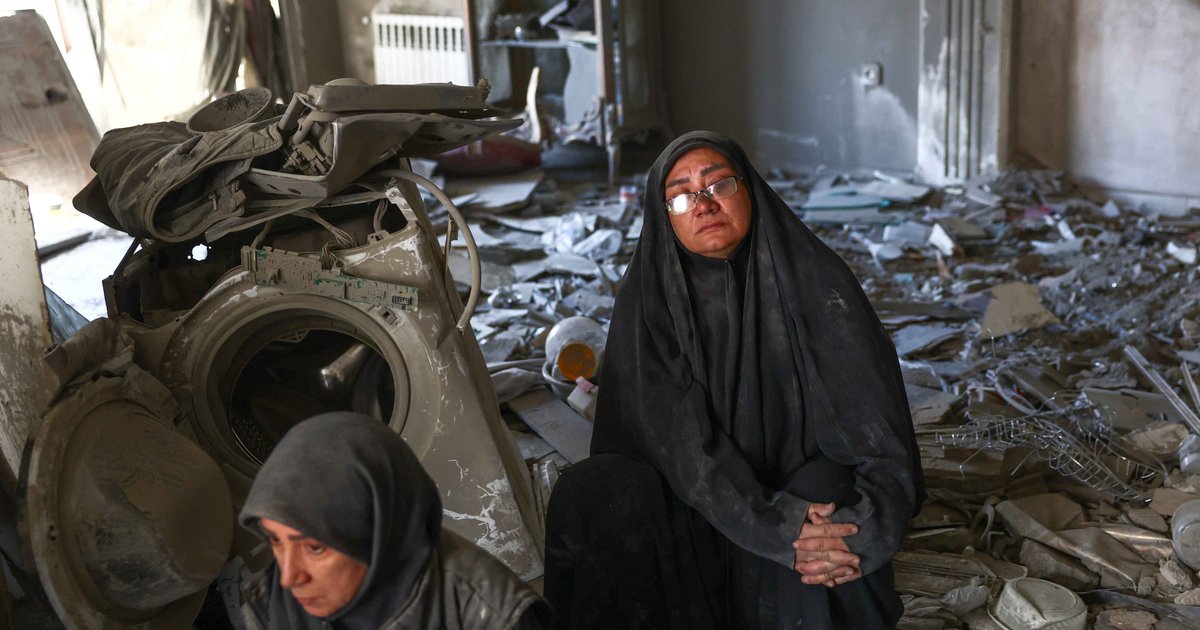
The Israeli Ministry of Health has announced an increase in the number of injured during the war to 6286 individuals, following the recording of 104 new injuries in the past 24 hours. The ministry indicates that 100 individuals are still receiving treatment in hospitals, reflecting the escalating intensity of the conflict and its impact on civilians.
These figures come at a sensitive time as pressures mount on the Israeli healthcare system, which is facing significant challenges under the current circumstances. Recent injuries in central Israel have been excluded from these numbers, raising concerns about the security situation in those areas.
Details of the Incident
Events continue to unfold in Israel as the conflict persists, with recent days witnessing an escalation in attacks, including Iranian strikes targeting various areas, such as the city of Bnei Brak, leading to new injuries. Images circulated on social media depict scenes from the attack sites, where residents and paramedics gather in an attempt to provide assistance.
The Ministry of Health continues to provide regular updates on the number of injured, reflecting the extent of the impact these events have on Israeli society. There are also increasing calls from various entities to improve medical response and provide psychological support to those affected.
Background & Context
The history of the Israeli-Palestinian conflict is filled with bloody events, with the region experiencing recurring conflicts over decades. The current conflict arises amid escalating tensions between Israel and Iran, with Iran being considered one of the key players in the region, complicating the situation further.
In recent years, Israel has witnessed an increase in rocket attacks by armed groups, leading to a rise in casualties and injuries. These events raise questions about the future of peace in the region and underscore the urgent need for a comprehensive political solution.
Impact & Consequences
The increasing number of injured significantly affects Israeli society, as many families suffer from the loss of loved ones or injuries to their members. Additionally, the deteriorating health situation places additional pressure on a healthcare system that is already struggling with resource shortages.
Concerns are growing that the continuation of the conflict may exacerbate humanitarian conditions, necessitating an urgent response from the international community. There are increasing calls for humanitarian support for those affected, including the provision of healthcare and psychological assistance.
Regional Significance
The events in Israel are part of a larger picture that includes conflicts in the Arab region. The Israeli-Palestinian conflict has direct implications for neighboring countries, as fears grow regarding the influx of refugees and the deterioration of humanitarian conditions in affected areas.
The current situation also highlights the importance of dialogue and understanding among different parties, as the continuation of the conflict could worsen conditions throughout the region. It is crucial for Arab countries to enhance peace efforts and provide support to those affected.
In conclusion, the situation in Israel remains tense, with new injuries continuing to be reported. The current situation requires an urgent response from all concerned parties to ensure the protection of civilians and alleviate their suffering.