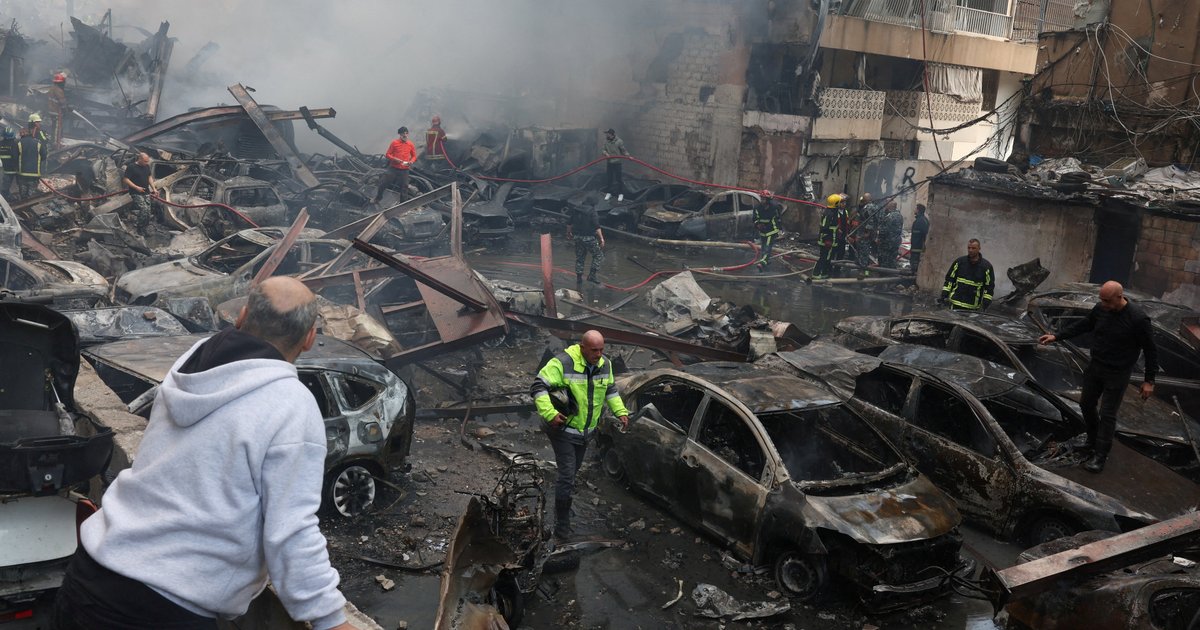
Rafik Hariri Hospital in Beirut is witnessing a significant influx of injured individuals following Israeli airstrikes, with Médecins Sans Frontières reporting that medical teams are facing immense pressure due to the increasing number of casualties. The organization's coordinator, Safa Blake, confirmed that emergency rooms are receiving large numbers of injured, including children, suffering from shrapnel wounds and severe bleeding.
Blake pointed out that the situation at the hospital has become critical, as the capacity of medical facilities has been exceeded, leading to a deterioration of health conditions for the injured. Medical teams are working tirelessly to provide necessary care, but the increasing pressure places them in an extremely difficult position.
Details of the Situation
Reports continue to emerge about escalating violence in the region, with Israeli airstrikes targeting multiple areas in Lebanon, resulting in serious injuries among civilians. The rising number of injured indicates the scale of the humanitarian disaster unfolding in the aftermath of these attacks.
The injuries include severe cases requiring urgent surgical intervention, further increasing the strain on a hospital already suffering from resource shortages. Additionally, many of the injured are children, which compounds the suffering of families and heightens the need for urgent medical support.
Background & Context
Historically, Lebanon has witnessed numerous armed conflicts, and Israeli airstrikes have been part of the ongoing struggle in the region. For decades, Lebanon has faced military and political pressures that affect the stability of the country. The recent airstrikes come amid rising tensions between Israel and Hezbollah, complicating the humanitarian situation in the country.
The ongoing conflict has led to a cycle of violence that exacerbates the plight of civilians, who are often caught in the crossfire. The international community has been urged to pay attention to the deteriorating conditions and the urgent need for humanitarian assistance.
Impact & Consequences
The repercussions of these airstrikes extend beyond health concerns, affecting the social and economic stability in Lebanon. As the number of injured rises, the pressures on a healthcare system already grappling with multiple crises, including shortages of medicines and medical equipment, intensify. The current situation may lead to a worsening of humanitarian crises in Lebanon, where many people are in dire need of support and care.
Moreover, the psychological impact on the population, especially children, cannot be underestimated. The trauma from such violence can have long-lasting effects, necessitating comprehensive mental health support alongside physical medical care.
Regional Significance
The events in Lebanon are not isolated; they reflect broader regional dynamics that influence stability and security. The ongoing conflict between Israel and Hezbollah has implications for neighboring countries and the international community, highlighting the need for diplomatic efforts to resolve underlying tensions.
As the situation evolves, the humanitarian needs are expected to grow, prompting calls for increased international intervention and support to alleviate the suffering of those affected by the violence.