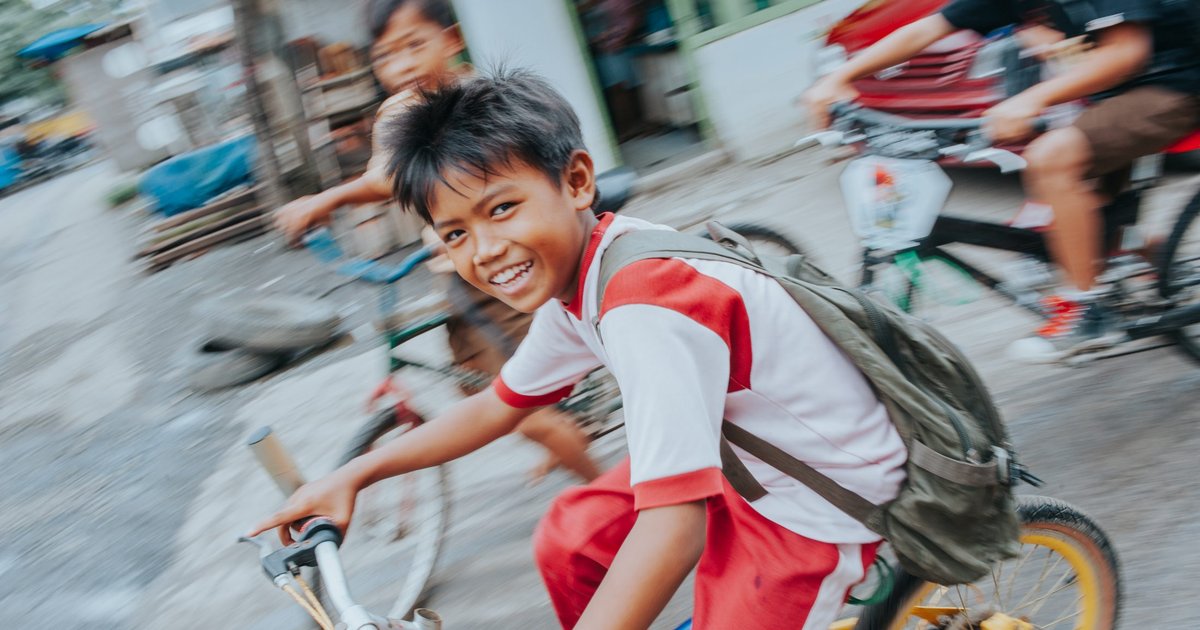
Heni Muliani, head of the early education and quality education equality task force in Jakarta, announced that the number of out-of-school children in North Jakarta has surpassed 22,000, according to data from the Ministry of Basic and Secondary Education. Muliani emphasized that this issue is not merely an educational matter but a social one that requires a comprehensive approach.
Muliani's statements came during a ceremony for the signing of the 13-year mandatory education agreement, where she highlighted the government's obligation to provide educational services for all children. She stressed the need for local government collaboration with all stakeholders to ensure this right is realized.
Event Details
As part of the government's efforts, the duration of mandatory education has been announced to increase from 12 years to 13 years, with an additional preparatory year for preschool children. Muliani clarified that this amendment is part of ongoing efforts to improve education quality and expand its reach to include all children.
North Jakarta Mayor Hendra Hidayat pointed out that educational challenges in the region remain significant, especially with the rising number of out-of-school children. He emphasized the importance of teamwork across various sectors to ensure education is accessible to everyone.
Background & Context
The issue of out-of-school children is pressing in many countries, directly impacting the future of upcoming generations. In Indonesia, this situation reflects existing gaps in the education system that need immediate attention to ensure no child is deprived of their right to education.
Historically, Indonesia has witnessed continuous efforts to enhance its education system; however, social and economic challenges still hinder the achievement of desired goals. Providing quality education for all remains a government priority, reflecting its commitment to sustainable development.
Impact & Consequences
The increase in out-of-school children could exacerbate social issues such as poverty and unemployment. Additionally, lack of education negatively affects the country's economic development, as the community lacks the necessary skills for growth.
Therefore, addressing this issue requires effective strategies that involve all concerned parties, including the government and civil society. Continuous efforts must be made to ensure children return to school and to raise awareness about the importance of education.
Regional Significance
The education issue is a common concern among many Arab countries, where some nations face similar challenges regarding the number of out-of-school children. Enhancing education and providing educational opportunities for all are fundamental factors for achieving sustainable development in the region.
Arab countries should learn from international experiences in addressing these issues and work on developing effective strategies that guarantee children's rights to education.