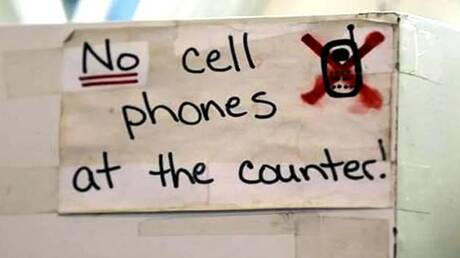
The United States is currently experiencing a new phenomenon characterized by the increasing number of bars and restaurants that ban the use of mobile phones. This initiative is part of a broader effort by many individuals to step away from screens and smart devices, returning to direct communication with others.
These establishments aim to create a comfortable and peaceful environment where customers can enjoy their meals and drinks without the distraction of phones. Many of these bars and restaurants implement a no-phone policy, allowing patrons the opportunity for genuine social interaction.
Details of the Trend
These bars and restaurants are spread across various states in America, attracting a significant number of customers who are looking for a unique dining experience free from the distractions caused by phones. Some of these venues offer discounts or special deals for customers who leave their phones at the entrance.
Reports indicate that this trend is not merely a passing fad but reflects a deep-seated desire among many to rebuild social relationships that have been affected by technology. As reliance on smartphones has increased, people have begun to feel the need to return to direct communication.
Background & Context
The roots of this phenomenon can be traced back to the noticeable rise in smartphone usage over the past two decades. These devices have become an integral part of our daily lives, leading to a decline in personal communication. With growing awareness about the negative effects of excessive technology use, many individuals are seeking ways to break free from this dependency.
This trend coincides with a larger movement in American society aimed at promoting mental health and well-being. Studies have shown that excessive phone use can lead to increased levels of anxiety and depression, prompting people to look for alternatives that help improve their quality of life.
Impact & Consequences
This phenomenon could lead to significant changes in the hospitality industry. With the rising demand for phone-free spaces, many traditional restaurants and bars may need to reassess their strategies to attract customers. Additionally, this trend could foster a culture of direct social communication, benefiting personal relationships.
Moreover, this movement may open the door to new innovations in the design of public spaces, where new methods can be adopted to enhance social interaction among patrons. This shift could also influence how social events and gatherings are organized.
Regional Significance
In the Arab region, this phenomenon could inspire many restaurants and cafes looking to offer unique experiences to customers. With the increasing reliance on technology in daily life, it may be beneficial to consider ways to enhance social communication by creating phone-free spaces.
This idea could strengthen social relationships among individuals, reflecting the importance of direct communication in Arab communities. It could also present an opportunity for businesses to provide new experiences that align with customer needs.
In conclusion, the trend of phone-free bars and restaurants in the United States reflects a growing desire among individuals to return to direct communication. This movement may signal the beginning of larger transformations in how people interact with one another in the age of technology.