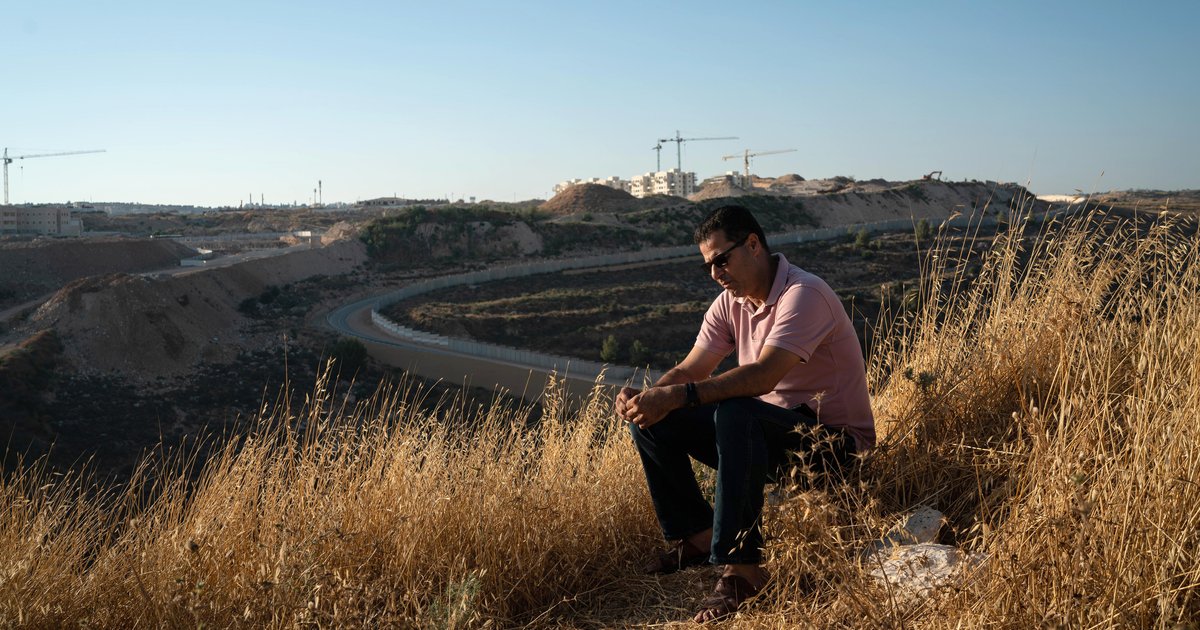
The West Bank, especially the city of Ramallah, is witnessing a state of increasing public tension due to the recurring crises that citizens are facing. Residents express their dissatisfaction with the deteriorating living conditions, with one describing the crisis at gas stations as "harder than the Strait of Hormuz crisis," highlighting the depth of suffering experienced by Palestinians.
This tension is clearly manifested in the streets of Ramallah, where queues of cars are growing in front of gas stations, reflecting the harsh reality faced by citizens. These crises appear not to be momentary but rather the result of complex historical and political accumulations.
Details of the Situation
Crises continue in the West Bank, where citizens are suffering from a severe fuel shortage, exacerbating living conditions. Many experts point out that these crises stem from the repercussions of the war on Iran, which has affected oil prices and led to increased transportation and essential goods costs.
Moreover, the tense security situation in the region complicates matters further, as the West Bank is witnessing an escalation in Israeli military operations, leading to increased anxiety and fear among residents. Citizens express their frustration over the Palestinian Authority's inability to effectively address these crises.
Background & Context
Historically, the West Bank has suffered from economic and social crises due to the Israeli occupation and imposed economic policies. These policies have led to a decline in living standards and increased unemployment rates, causing citizens to feel frustration and tension.
The politically unstable conditions in the region, including regional conflicts, cast a shadow over the daily lives of Palestinians. Many observers consider the current crises not merely transient events but part of a larger picture reflecting the ongoing Israeli-Palestinian conflict.
Impact & Consequences
The current crises significantly impact the daily lives of Palestinians, as citizens face major challenges in obtaining fuel and essential goods. These conditions may lead to an escalation of popular protests, increasing pressure on the Palestinian Authority.
Additionally, these crises could affect relations between Palestinians and Israelis, potentially heightening tensions and leading to a hardening of positions. Many fear that these conditions could lead to an even greater outbreak of unrest, threatening stability in the region.
Regional Significance
The crises in the West Bank are part of the broader picture of conditions in the Arab region, where many countries are experiencing similar economic and political crises. Observers note that these crises could lead to increased tensions in the region, necessitating greater international attention to resolve outstanding issues.
Ultimately, the situation in the West Bank remains a mirror reflecting the challenges faced by the Arab region as a whole. The current situation requires urgent action from the international community to support Palestinians in confronting these crises.