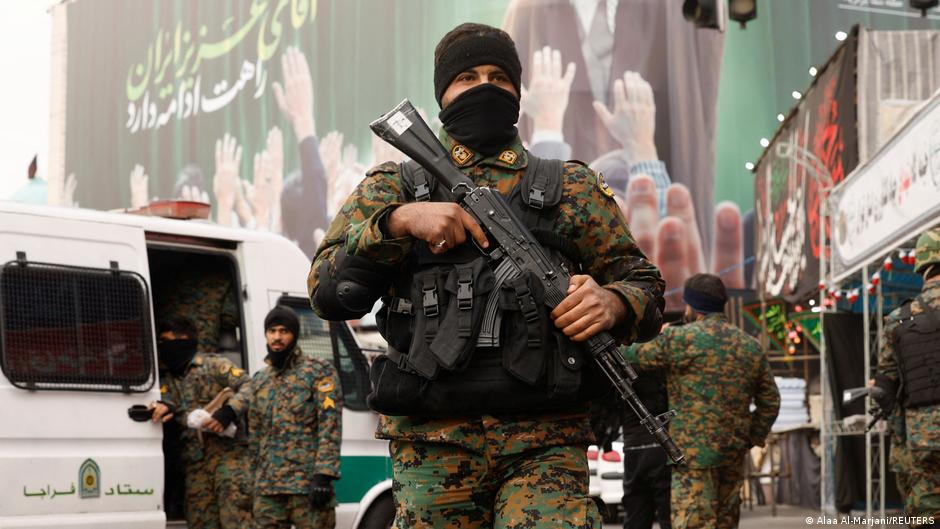
Reports from the United Nations Human Rights Office indicate a notable increase in executions and mass arrests in Iran, where 21 executions have been carried out and over 4,000 individuals have been detained on national security charges. This occurs amid growing concerns in the country due to economic pressures stemming from the depreciation of the national currency.
The Iranian currency, the rial, has sharply declined to 1.8 million rials against the dollar, marking its lowest level ever. This drop follows a period of relative stability at the beginning of the war that erupted on February 28, heightening citizens' fears regarding inflation and rising prices of essential goods.
Details of the Situation
Despite a fragile ceasefire between Iran, the United States, and Israel, the American blockade continues to significantly impact the Iranian economy, disrupting oil exports, which are a primary source of revenue. This situation has worsened living conditions for citizens, leading to protests in January due to rising prices.
In a related context, U.S. President Donald Trump warned Iran about the necessity of accepting American peace terms, indicating that Iran is in a state of chaos. In response, Iranian Defense Ministry spokesperson Reza Talai Nik asserted that the United States must abandon its illegal and unreasonable demands.
Background & Context
Historically, Iran has experienced numerous political and economic crises, with international sanctions playing a key role in the deterioration of conditions. Since 2018, economic pressures on Iran have significantly increased due to imposed sanctions, leading to the depreciation of the rial and rising inflation rates.
These events are part of a series of crises affecting the region, where political and economic dimensions are intricately intertwined. Regional and international tensions have contributed to the worsening situation in Iran, placing the country in the face of both internal and external challenges.
Impact & Consequences
Reports indicate that the increasing repression in Iran may lead to further outbreaks of popular protests, as citizens express discontent over economic and political conditions. Additionally, the continuation of executions and arrests could increase Iran's isolation on the international stage, potentially affecting the prospects for a peace agreement.
Simultaneously, economic pressures may exacerbate humanitarian conditions, as citizens suffer from shortages of essential goods and rising prices. These dynamics could contribute to creating an unstable environment within the country, increasing the likelihood of further unrest.
Regional Significance
The implications of the current situation extend beyond Iran's borders, as the country navigates a complex web of regional politics and international relations. The interplay of domestic repression and external pressures raises critical questions about the future stability of the region.
In conclusion, the ongoing repression and economic turmoil in Iran highlight the urgent need for international attention and intervention to address the humanitarian and political crises facing the Iranian people.