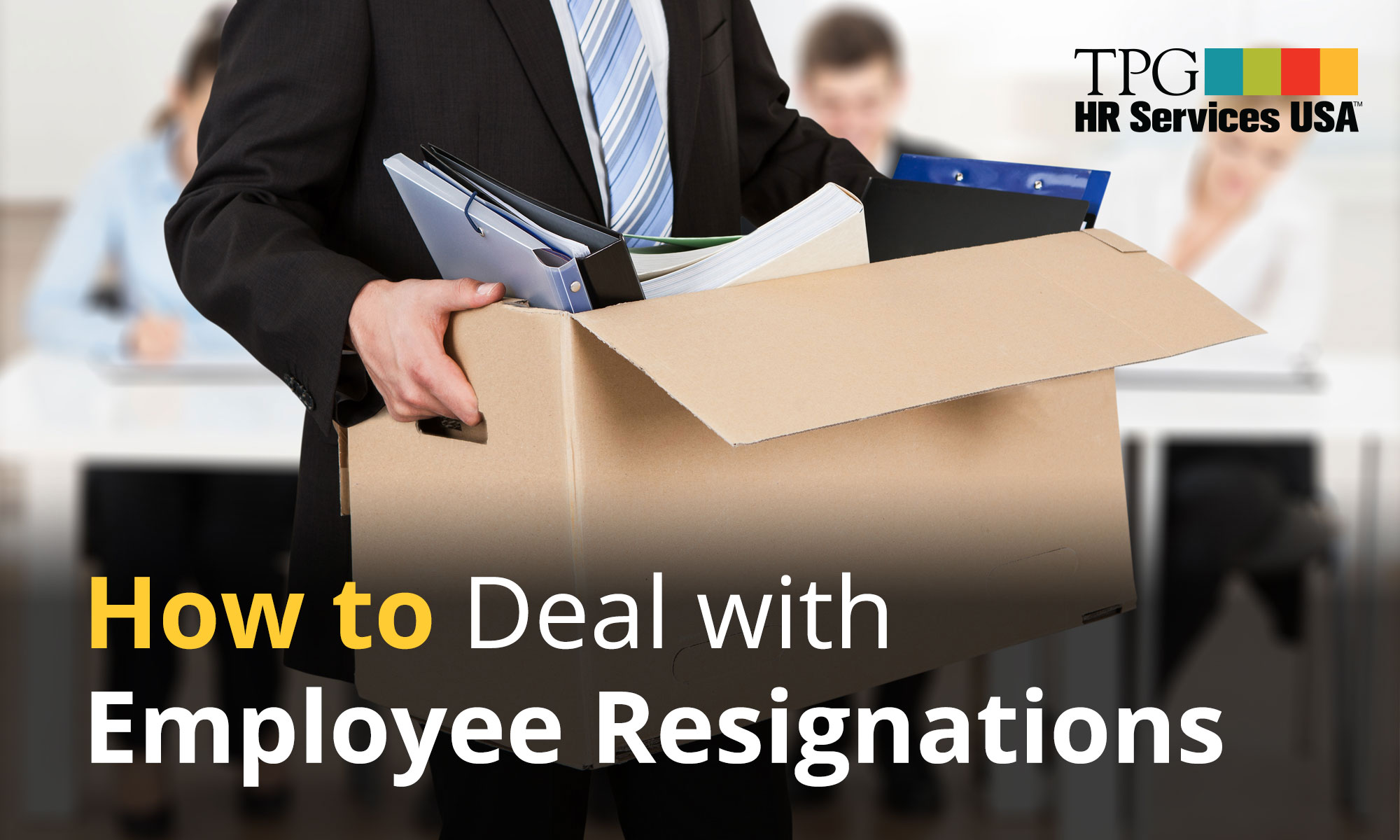
March of this year saw a notable increase in resignation cases, as many employees decided to leave their jobs for various reasons. According to American academic Anthony Klotz, who predicted the phenomenon of the 'Great Resignation' during the pandemic, most of us may be just one event away from making the decision to resign, even if it might be better to stay in the workplace.
In the United Kingdom, over 200,000 people resigned in the first three months of the year, a figure that reflects the ongoing trend the country has experienced over the past decade. Klotz, who has studied the reasons behind resignations for 15 years, explains that resignations are often the result of a sudden event or 'shock', such as failure, health threats, or even personal changes like divorce.
Details of the Event
Klotz considers that there are multiple types of shocks that can lead to resignation. Among them are negative shocks such as failure or harassment, as well as positive shocks that may prompt an employee to consider new options. For instance, a promotion might lead an employee to feel they deserve better opportunities elsewhere.
Interestingly, there is another type of shock known as the 'honeymoon shock', where a new employee discovers that the job does not meet their expectations, prompting them to resign early. Studies indicate that 42% of new employees leave their jobs within a year of starting, with 30% of them leaving within just 90 days.
Background & Context
Historically, many countries have witnessed similar phenomena, with resignations increasing during times of economic crises or social changes. The COVID-19 pandemic was a significant turning point, prompting many individuals to reevaluate their careers and priorities. This trend is not limited to the United Kingdom but extends to many countries around the world.
The influence of social media and changing work culture has also contributed to the rise of this phenomenon, as it has become easier to share experiences and opinions about different work environments.
Impact & Consequences
The increasing resignations present a significant challenge for employers, requiring a reevaluation of recruitment and employee retention strategies. It is crucial for managers to be able to recognize signs that an employee may be on the verge of resigning, such as updating their LinkedIn profiles or spending more time during breaks.
There are also significant benefits to delaying the decision to resign after experiencing a workplace shock, as staying in the current job may be more advantageous than the employee realizes. For example, Bob Iger, the CEO of Walt Disney, was close to resigning in the 1980s after discovering that his company had been acquired, but he decided to stay, leading to significant successes in his career.
Regional Significance
In the Arab region, the phenomenon of resignations may be similar, as many employees suffer from work pressures and dissatisfaction with their environments. Economic and social changes in Arab countries may lead to an increase in resignations, especially among youth seeking a better work-life balance.
This phenomenon requires Arab companies to rethink their strategies for recruiting and retaining employees by improving the work environment and providing more psychological and social support for employees.