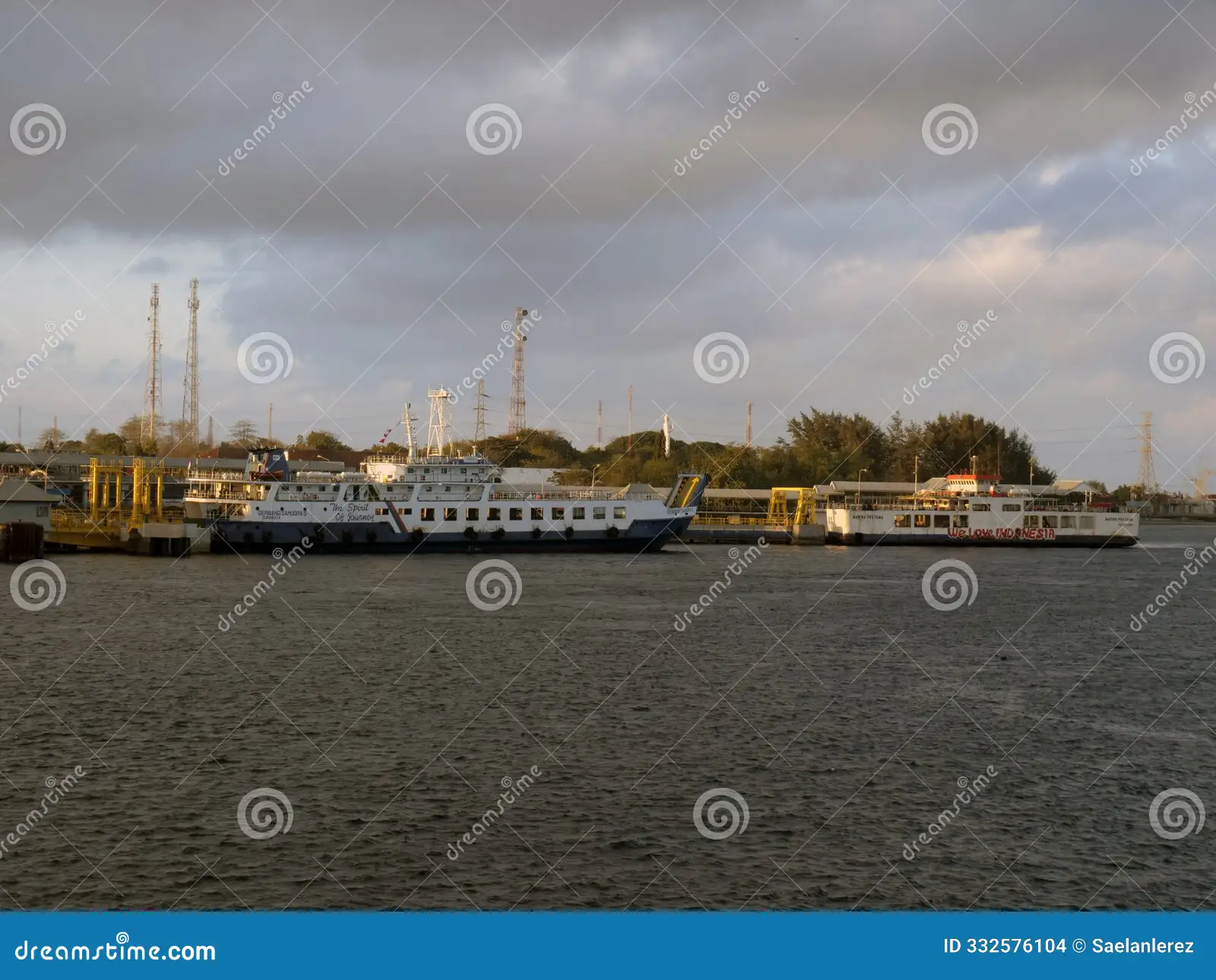
The Ketapang crossing in the Banyuwangi region of Indonesia experienced heavy traffic on Sunday, as hundreds of travelers flocked on motorcycles and private cars during the peak of the return after Eid al-Adha. This congestion began early in the morning, with travelers coming from various directions, leading to significant overcrowding in the crossing area.
One traveler, Sri Rahayu, from the Lumajang district in East Java, shared her experience, stating that she chose to return to Bali on this day due to the start of the school year for her children and the necessity of returning to work. She noted that it took her about two hours to reach the parking area at the crossing, where she was directed to take alternative routes to avoid the congestion.
Event Details
Field observations indicated that traffic was extremely congested, with a large number of motorcycles and cars in the waiting area of the crossing. Medical teams were present to provide assistance to travelers who experienced fatigue or fainting while waiting. Help was provided to one traveler who was in critical condition and was transported to a nearby health center.
Earlier on Sunday, there were long lines of trucks carrying goods, with some trucks waiting for up to 12 hours before they could cross the border to Bali. By 10 AM, truck movement gradually eased, allowing them to cross into the Gilimanuk port.
Background & Context
The return period after Eid al-Adha is one of the busiest times in Indonesia, as many people travel to their hometowns to celebrate the holiday with their families, then return to their workplaces after the holiday ends. In recent years, there has been an increase in traffic across maritime crossings, necessitating improvements in infrastructure and services provided to travelers.
It is noteworthy that Eid al-Adha is one of the most important holidays in the Islamic world, celebrated by Muslims worldwide, which increases travel and movement between cities and countries.
Impact & Consequences
The increase in travel after Eid al-Adha poses a significant challenge for local authorities, requiring effective coordination among various entities to ensure traveler safety and smooth traffic flow. This surge in movement also impacts the local economy, as demand for logistics and transportation services rises.
In light of these events, the government may need to develop strategic plans to improve infrastructure and expand services provided at crossings to prevent similar congestion in the future.
Regional Significance
Although this event occurs in Indonesia, it reflects similar challenges faced by many Arab countries during holiday periods and occasions. Arab nations also experience a significant increase in travel and movement, necessitating improvements in infrastructure and logistics services.
Ultimately, the importance of good planning and coordination among relevant authorities remains crucial to ensure traveler safety and facilitate their movement, whether in Indonesia or in Arab countries.