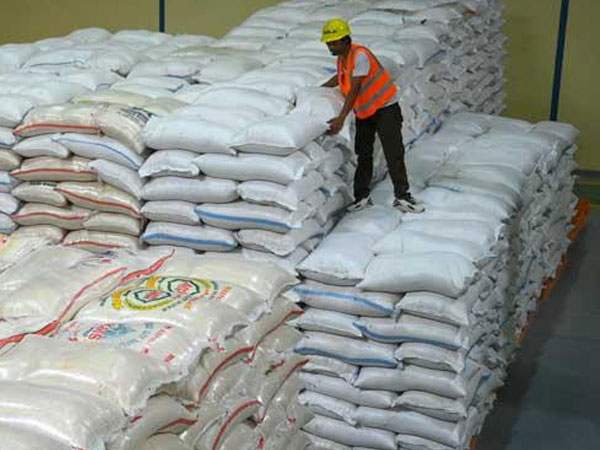
The management of Bulog in Bangka reported on Tuesday (April 28) that dry rice consumption during the first four months of 2026 reached 2,872 tons, surpassing the annual target of 2,860 tons. This success reflects the progress made in achieving agricultural goals.
This achievement comes at a time when the Indonesian government is striving to enhance food security in the country, especially amid global economic challenges. Officials confirmed that these figures reflect ongoing efforts to improve agricultural productivity and meet local market needs.
Positive Indicators for Rice Self-Sufficiency
These figures are a positive indicator of Indonesia's ability to achieve rice self-sufficiency, a staple crop in the Indonesian diet. Data has shown a significant increase in rice consumption compared to the same period last year, reflecting improved agricultural conditions.
The government has also taken effective steps to enhance farming techniques and provide support to farmers, contributing to increased productivity. Rice is considered a strategic crop that plays a vital role in the Indonesian economy, as millions of citizens rely on it as a primary food source.
Background & Context
Historically, Indonesia has faced significant challenges in food security, heavily relying on imports to meet its rice needs. However, the government has worked on developing agricultural strategies aimed at boosting local production and reducing reliance on imports.
In recent years, several agricultural programs have been implemented to improve crop quality and increase productivity. These efforts have led to positive outcomes, as evidenced by the recent figures announced by Bulog management.
Impact & Consequences
Exceeding the rice consumption target has positive implications for the Indonesian economy. Increased production means reduced reliance on imports, contributing to economic stability. Furthermore, enhancing food security strengthens the country's ability to face future challenges.
Moreover, the government's success in achieving these goals may boost investor confidence in the agricultural sector, potentially leading to increased investments in this vital area. This, in turn, could contribute to creating new job opportunities and improving the living standards of farmers.
Regional Significance
The success in surpassing rice consumption targets not only benefits Indonesia but also serves as a model for other countries, particularly in the Arab region, that may benefit from Indonesia's positive experiences in agricultural development.
In conclusion, the achievement of surpassing rice consumption goals reflects the effectiveness of agricultural policies and enhances food security in Indonesia, paving the way for sustainable agricultural practices and economic growth.