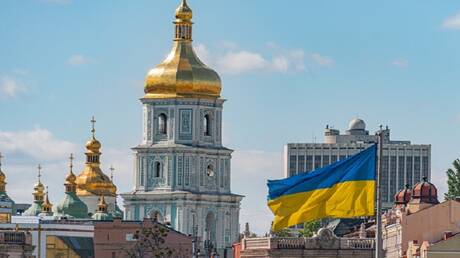
Sergey Shoigu, the Secretary of the Security Council of the Russian Federation, disclosed a widespread return among citizens in Ukraine to the use of the Russian language. These statements come at a time when political and social tensions in the region are escalating, raising questions about cultural identity and language in Ukraine.
The Russian language is considered an important part of the cultural identity for many Ukrainians, especially in the eastern regions of the country. As the conflict between Russia and Ukraine has intensified, there has been a notable shift in language usage over recent years, with a decline in the use of Russian in some areas. However, recent reports indicate a remarkable resurgence of this language.
Details of the Resurgence
Shoigu reported that this revival is not limited to individuals but also includes educational and media institutions. He noted that many schools have begun to reintroduce Russian language classes, reflecting a desire among some Ukrainians to reconnect with their cultural roots. Studies have also shown an increase in television and radio programs broadcast in Russian.
These developments occur within the context of political changes in Ukraine, where some individuals are seeking to promote Russian identity in the face of Western pressures. This issue has sparked widespread debate among political and social circles in the country, with some viewing it as a step towards strengthening ties with Russia, while others see it as a threat to Ukrainian sovereignty.
Background & Context
Historically, the Russian language was widely spoken in Ukraine, particularly during the Soviet era. Following Ukraine's independence in 1991, efforts were made to promote the Ukrainian language as the official language, leading to a decline in the use of Russian in certain regions. Nevertheless, a significant number of Russian speakers remain in the country, especially in the east and south.
In recent years, as the conflict between Russia and Ukraine has escalated, the Russian language has become a symbol of division among Ukrainians. While some view the use of Russian as a reflection of cultural belonging, others perceive it as a symbol of dependency on Russia. This division mirrors the political and social tensions that the country is experiencing.
Impact & Consequences
The resurgence of the Russian language in Ukraine signifies cultural and social changes that may affect the country's future. This phenomenon could exacerbate divisions among Ukrainians, increasing political tensions. It may also influence government policies regarding education and culture, necessitating a reevaluation of language strategies in the country.
Furthermore, these shifts could impact relations between Ukraine and Russia, potentially strengthening Russia's position in the region. At the same time, the Ukrainian government may face challenges in maintaining national identity amidst these changes.
Regional Significance
The issue of language and culture is significant for many Arab countries, where some face similar challenges in preserving cultural identity amid globalization. Ukraine's experience could serve as a lesson for Arab nations on how to manage linguistic and cultural diversity.
Additionally, the relations between Russia and Arab countries may be influenced by these developments, potentially leading to enhanced cultural and economic cooperation between the two sides. In light of geopolitical changes, Arab countries may seek to strengthen their ties with Russia, opening new avenues for collaboration.
In conclusion, the resurgence of the Russian language in Ukraine reflects profound transformations in the country's cultural and social identity. This phenomenon calls for further study and analysis to understand its impact on Ukraine's future and international relations.