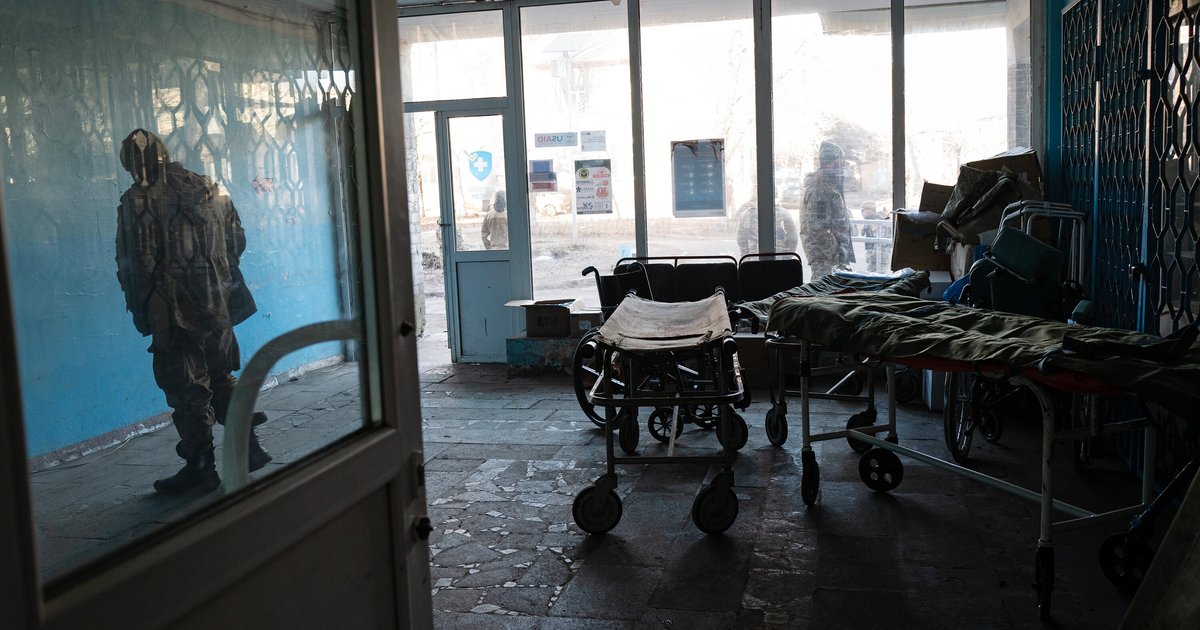
Military sources report a rise in casualties among Russian troops in the ongoing Ukraine conflict, with estimates indicating a significant increase in losses over recent weeks. This escalation occurs amid intensifying battles between Russian and Ukrainian forces, raising concerns about the humanitarian and economic impact of the ongoing conflict.
Reports indicate that the number of Russian soldiers killed has surpassed 10,000, while the number of wounded has exceeded 30,000, reflecting the intensification of fighting in areas such as Donbas and Zaporizhzhia. These figures are part of estimates released by various entities, including Western intelligence agencies.
Details of the Ongoing Conflict
The fighting in Ukraine continues, with Russian forces focusing on regaining control of areas lost in recent months. Reports show that Ukrainian forces have achieved significant victories, exacerbating the situation for the Russian military. At the same time, Russia continues to bolster its forces in the region, complicating the military situation further.
There are also reports suggesting that Russia has begun to call up reserve soldiers to compensate for losses, reflecting growing concerns within the Russian military leadership regarding the developments in the conflict. This mobilization could lead to increased internal tensions in Russia, as many citizens oppose the idea of sending more soldiers to the battlefield.
Background & Context
The Ukrainian conflict began in 2014 following Russia's annexation of Crimea, leading to heightened tensions between the two countries. Since then, the region has witnessed numerous bloody battles, with Russian and Ukrainian forces continuing to fight on the ground. The conflict has resulted in a significant humanitarian crisis, with millions of residents displaced from their homes.
In recent years, the intensity of the conflict has notably increased, especially after the onset of Russian military operations in February 2022. These operations have exacerbated the humanitarian situation, with civilians suffering from shortages of food, shelter, and healthcare.
Impact & Consequences
The repercussions of the Ukrainian conflict extend beyond national borders, affecting regional and international stability. The rising number of casualties among Russian troops may lead to political pressure on the Russian government, potentially influencing its foreign policy.
Furthermore, the conflict contributes to increasing tensions between Russia and the West, as Western nations impose economic sanctions on Russia, further isolating it internationally. These sanctions directly impact the Russian economy, which could lead to negative economic consequences in the long term.
Regional Significance
The Arab region is indirectly affected by the Ukrainian conflict, as rising tensions in Europe may impact energy and food prices. Many Arab countries rely on wheat imports from Ukraine, which could lead to price increases in local markets.
Moreover, the conflict could affect regional stability, potentially leading to heightened tensions in other parts of the world, negatively impacting security and stability in the Arab region.
In conclusion, the situation in Ukraine remains tense, with ongoing losses among Russian troops. These developments raise concerns about the future, both humanitarian and political, necessitating close monitoring by the international community.