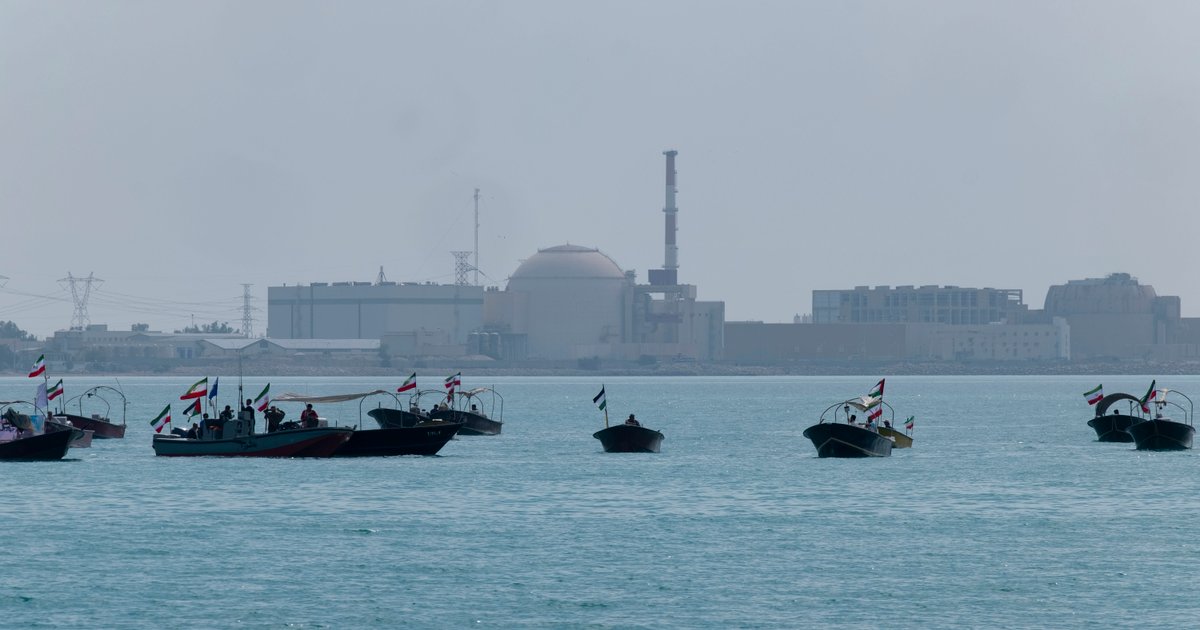
Ship traffic through the Strait of Hormuz has seen a significant increase, with only four vessels crossing in the past day, reflecting the ongoing impact of the war in the region. This comes at a sensitive time as the conflict enters its second month, with conditions in the area continuing to deteriorate.
Vessels are navigating a route closer to the Iranian coast, indicating that maritime navigation is heavily influenced by the political and military tensions in the region. These developments occur during a critical period, as concerned nations strive to maintain the security of navigation in one of the world's most important maritime corridors.
Details of the Event
Although the Strait of Hormuz is considered one of the busiest maritime passages in the world, ship traffic has noticeably declined in recent days. According to reports, only four vessels were observed leaving the Arabian Gulf in the past day, reflecting the impact of ongoing conflicts in the region.
These developments indicate a growing concern among maritime companies and commercial shipping, as many ship owners seek to avoid risks associated with military conflicts. This trend could affect global trade, especially given the strategic importance of the Strait of Hormuz, through which approximately 20% of the world's oil passes.
Background & Context
The Strait of Hormuz is a vital transit point for oil and natural gas, serving as a link between the Arabian Gulf and the Gulf of Oman. Historically, the strait has witnessed numerous crises and conflicts, significantly impacting oil prices and global energy markets. In recent years, tensions between Iran and Western nations have escalated, increasing the risks associated with maritime navigation in the region.
Under these circumstances, concerns about maritime security are rising, as involved nations seek to enhance their military presence in the area. This trend could lead to heightened tensions, increasing risks to global trade.
Impact & Consequences
Tensions in the Strait of Hormuz directly affect global oil prices, as any disruptions in maritime traffic could lead to price increases. This situation reflects on the global economy, as many countries rely on oil extracted from the Arabian Gulf.
Furthermore, the decline in ship traffic may impact maritime and commercial companies, which may need to reassess their strategies in light of increasing risks. This situation could lead to fluctuations in financial markets, increasing economic instability in the region.
Regional Significance
The Arab countries neighboring the Strait of Hormuz are among the most affected by the current tensions. Rising oil prices could impact the economies of these countries, increasing economic and social pressures. Additionally, any military escalation could lead to security repercussions in the region, heightening concerns among local populations.
In this context, Arab nations must work to enhance security and economic cooperation among themselves to address the common challenges arising from regional tensions. Strengthening security in the Strait of Hormuz is vital for maintaining stability in the region.