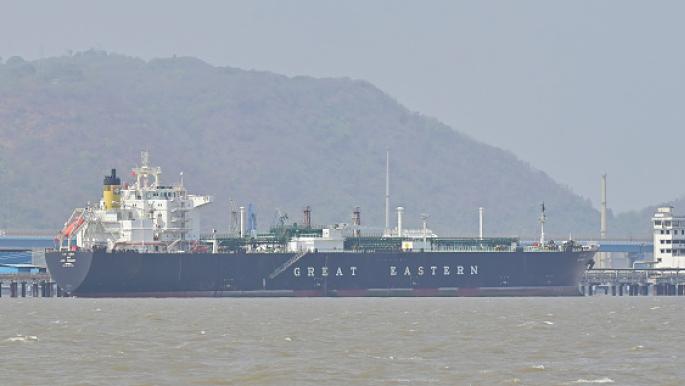
Last week, the Strait of Hormuz experienced a notable increase in the number of ships crossing, reflecting heightened maritime activity in this strategic region. Reports indicated the passage of an Iraqi oil tanker through Iranian waters, underscoring the significance of this waterway for oil and gas transportation.
This surge in ship traffic comes at a sensitive time as Iran seeks to bolster its economic position by imposing fees on passing vessels. Tehran has confirmed that these fees aim to compensate for losses incurred due to economic sanctions, which have significantly impacted its oil sector.
Details of the Event
The Strait of Hormuz is one of the world's most crucial maritime passages, through which approximately 20% of the world's oil passes. In recent years, the strait has witnessed fluctuations in ship traffic due to political and economic tensions in the region. However, the recent increase in the number of crossing vessels suggests a recovery of some commercial activity, despite ongoing challenges.
It is noteworthy that Iran has previously imposed fees on passing ships, but these demands faced opposition from several countries. Nevertheless, Tehran hopes that the new fees will improve its financial situation and enhance its ability to cope with sanctions.
Background & Context
Historically, the Strait of Hormuz has played a pivotal role in global trade, linking the Arabian Gulf to the Gulf of Oman. The strait has experienced numerous political crises, including tensions between Iran and the United States, which have increased risks to maritime navigation. In recent years, Iran has attempted to strengthen its influence in the region by threatening to close the strait, raising concerns among oil-importing nations.
Moreover, the economic sanctions imposed on Iran due to its nuclear program have led to a significant decline in its oil exports, prompting the country to seek new sources of revenue. Imposing fees on passing ships may be part of a broader strategy to bolster Iran's struggling economy.
Impact & Consequences
If these fees are implemented, they could significantly affect maritime traffic in the strait, potentially leading to increased shipping costs. This situation could negatively impact global oil prices, as many countries rely on oil transported through this passage. Additionally, any increase in regional tensions could lead to fluctuations in financial markets.
Furthermore, the imposition of fees may provoke reactions from other countries, potentially escalating tensions in international relations. Should Iran continue to pursue this policy, it may face diplomatic pressure from major powers seeking to maintain freedom of navigation in the strait.
Regional Significance
Neighboring Arab countries to the Strait of Hormuz, such as the United Arab Emirates and Saudi Arabia, are among the largest beneficiaries of maritime traffic in this strait. Any changes in Iranian policies could impact the economies of these nations, especially given their heavy reliance on oil exports. Increased tensions could also lead to security repercussions in the region, necessitating enhanced security cooperation among Arab states.
In conclusion, the Strait of Hormuz remains a pivotal point in global trade, and any changes in Iran's policies could affect regional and international stability. It is essential to monitor developments in this context, as their impact may extend worldwide.