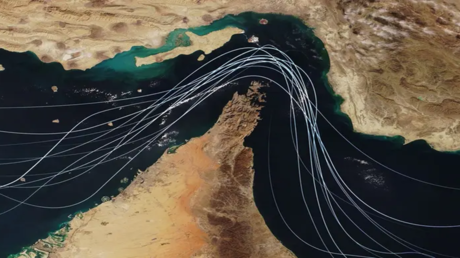
Data from Lloyd's List Marine Intelligence has revealed a significant increase in the percentage of ships not linked to Iran that are crossing the Strait of Hormuz, one of the world's most crucial waterways. This increase reflects shifts in maritime traffic as global commercial activities rise amidst existing geopolitical tensions.
The Strait of Hormuz is a vital transit point for oil and natural gas, with approximately 20% of total global oil exports passing through it. As tensions escalate between Iran and Western nations, the movement of ships not linked to Iran has become an indicator of changes in global trade strategies.
Details of the Event
Reports indicate that the percentage of ships not linked to Iran crossing the strait has risen significantly in recent months. This trend comes at a time when the region is experiencing increasing tensions, as many countries seek to reduce their dependence on Iranian shipments. The data suggests that these ships include oil tankers and other commercial vessels, reflecting the diversity of maritime activities in the area.
This increase in the movement of ships not linked to Iran indicates that traders and global companies are seeking alternative ways to secure their supplies amid potential risks arising from political tensions. Furthermore, this trend may contribute to enhancing maritime security in the region.
Background & Context
The Strait of Hormuz has historically witnessed numerous political crises and military conflicts, impacting maritime navigation. In recent years, tensions between Iran and the United States have escalated, leading to economic sanctions on Tehran. These sanctions have prompted changes in shipping and trade strategies, as countries aim to mitigate risks associated with trading with Iran.
In this context, Gulf countries are striving to strengthen their trade relations with other nations, which contributes to the increase in the movement of ships not linked to Iran. Additionally, there are international efforts to enhance maritime security in the strait, which may contribute to stabilizing navigation.
Impact & Consequences
The impact of this increase in the movement of ships not linked to Iran could have significant repercussions on the global economy. With a growing reliance on alternative shipping routes, oil and gas prices may be affected, potentially leading to changes in global markets. This trend could also enhance countries' abilities to secure their energy supplies.
Moreover, the increase in the movement of ships not linked to Iran may foster cooperation among countries in the field of maritime security, thereby reducing risks associated with conflicts in the region. This cooperation could involve information sharing and strengthening the naval capabilities of the involved nations.
Regional Significance
These developments are particularly important for Arab countries, as the Strait of Hormuz represents a lifeline for many Arab economies, especially those dependent on oil exports. An increase in the movement of ships not linked to Iran could mean greater security for these nations, thereby enhancing their economic stability.
Additionally, these changes may open new avenues for trade cooperation between Arab countries and others, contributing to the strengthening of regional economic relations. Under these circumstances, Arab nations must be prepared to seize new opportunities that may arise from these changes in maritime traffic.
In conclusion, data indicates that the movement of ships not linked to Iran in the Strait of Hormuz is witnessing a notable increase, reflecting transformations in global trade strategies. These developments carry significant implications for the global economy and open new avenues for cooperation among nations.