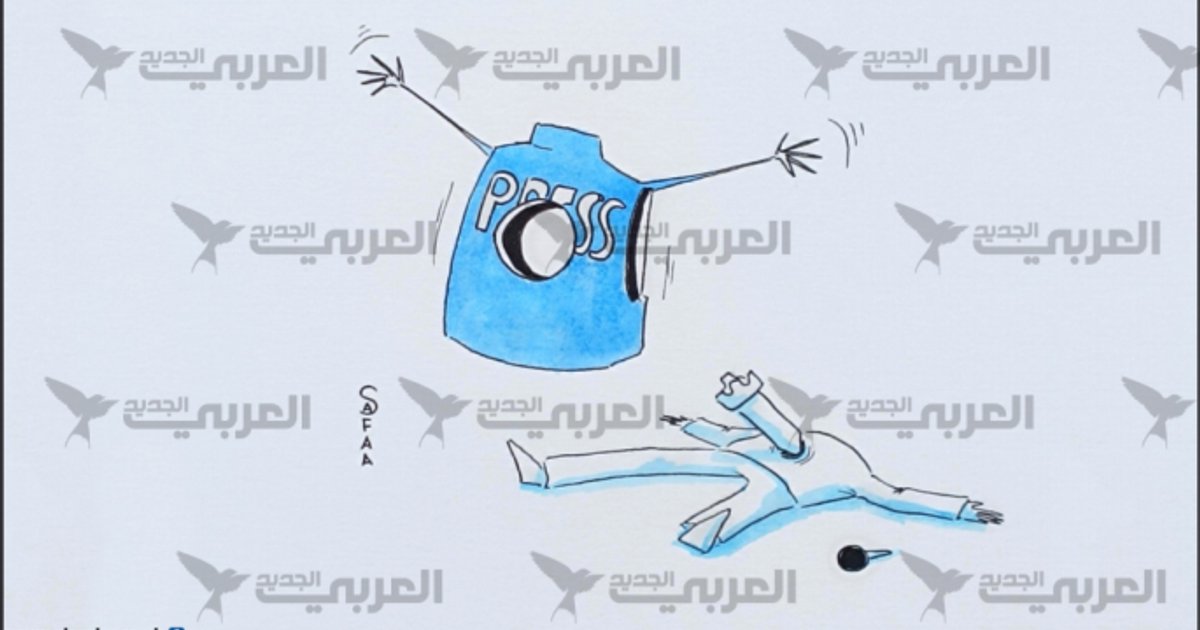
Journalism in Lebanon and Palestine is facing escalating risks, as journalists have become targets for various factions. This targeting arises from the confusion between the professional roles of journalists and the political leanings of the media outlets they work for, exposing them to significant dangers.
Under these circumstances, calls for greater protection for journalists are intensifying, especially in conflict zones. Reports indicate that many journalists in Lebanon and Palestine have faced physical assaults and threats, hindering their ability to perform their duties freely and safely.
Details of the Situation
Reports indicate that journalists in Lebanon and Palestine encounter significant challenges in carrying out their work. While journalists strive to cover political and social events, they face pressure from local authorities and armed groups. This situation creates an unsafe environment, where journalists are perceived as part of the political conflict, increasing the risk of attacks against them.
For instance, recent years have witnessed numerous incidents where journalists were targeted while covering protests or political events. This has led to a decline in freedom of expression in the region, as many journalists fear speaking freely due to the threat of retaliation.
Background & Context
Historically, journalism in Lebanon and Palestine has always been vulnerable to challenges. In Lebanon, the country has experienced multiple conflicts that have led to a decline in media freedom, while in Palestine, the Israeli occupation complicates the situation further. This historical context contributes to shaping the current environment in which journalism suffers from a lack of protection.
Moreover, the divergent political orientations among media outlets exacerbate the problem. Some media are considered close to certain powers, making journalists working for them susceptible to targeting by other factions. This intertwining of politics and media creates a difficult environment for journalists, who are sometimes viewed as part of the conflict rather than independent observers.
Impact & Consequences
The repercussions of targeting journalists in Lebanon and Palestine extend beyond individuals, negatively affecting freedom of expression and information within society. When journalists fear speaking freely, it leads to a lack of accurate and reliable information, impacting the community's ability to make informed decisions.
Additionally, the absence of protection for journalists can result in a decline in the quality of media coverage, as journalists may avoid covering sensitive topics out of fear of retaliation. This situation contributes to the reinforcement of biased narratives and diminishes the diversity of opinions and voices in the media.
Regional Significance
The ongoing targeting of journalists in Lebanon and Palestine raises greater concerns in the Arab region. Press freedom is considered a fundamental pillar of democracy and civil society, and when this freedom is threatened, it affects all Arab countries. The lack of protection for journalists can lead to a regression in human rights and fundamental freedoms in the region.
Ultimately, the current situation in Lebanon and Palestine requires an urgent response from the international community and human rights organizations. There must be clear efforts to protect journalists and ensure freedom of expression so they can perform their duties freely and safely.