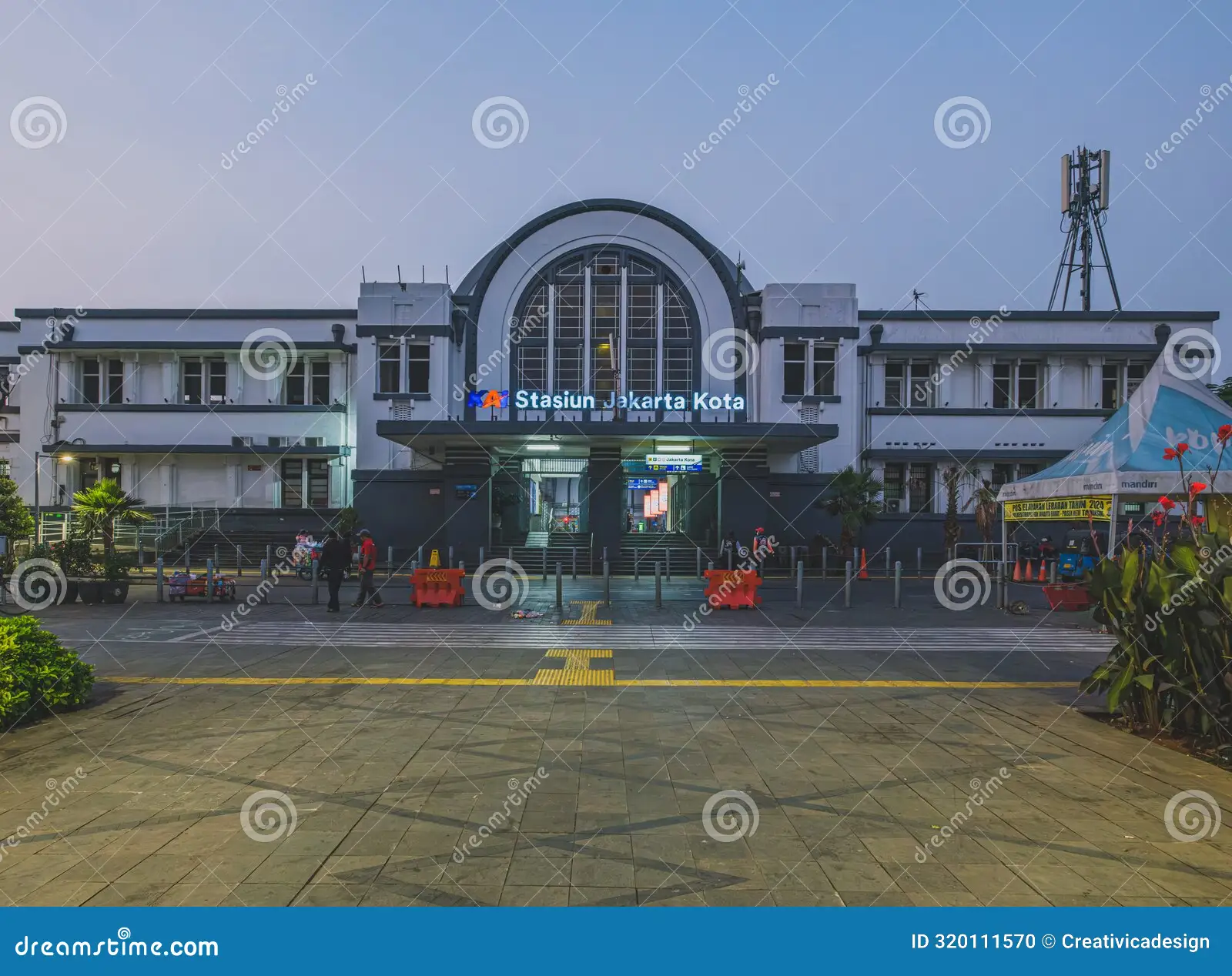
PT KAI Daerah Operasi 1 in Jakarta recorded a notable increase in the number of train passengers during the Eid al-Adha period of 2026, with the total reaching 990,974 passengers. This represents a 4% increase compared to the same period last year, which saw 945,735 passengers. The company's Public Relations Manager, Franuto Wibowo, confirmed that this growth reflects an increase in public trust in train services, especially during the holiday season.
Wibowo pointed out that trains provide a reliable and safe mode of transportation, allowing passengers to travel comfortably and without obstacles, facilitating their return to Jakarta after the holiday. He also added that the train schedules are precise, which helps passengers plan their trips more effectively.
Event Details
During the Eid al-Adha period, train services were characterized by comfortable and well-equipped journeys, with modern facilities provided to ensure passenger comfort. Wibowo confirmed that all operational processes were conducted smoothly and safely, with a focus on providing a pleasant travel experience for passengers.
He also noted that the accessibility of train stations, typically located in the city center, enhances the value of the service provided, as it makes it easier for passengers to reach their final destinations after arrival. The Eid al-Adha period continues until April 1, 2026, with approximately 91,533 additional seats available for passengers.
Background & Context
The Eid al-Adha period is one of the busiest times for transportation in Indonesia, as millions of citizens travel to their hometowns to celebrate with their families. This increase in passenger numbers reflects a growing trend towards using public transportation, especially trains, as a preferred travel option.
Historically, Indonesia has seen significant improvements in its transportation infrastructure, including railways, contributing to the increased reliance on this mode of transport. Substantial investments have been made to upgrade and expand the railway network to meet the rising demand.
Impact & Consequences
This increase in passenger numbers is a positive indicator of the success of government policies aimed at enhancing public transportation. The growing reliance on trains may also contribute to reducing traffic congestion and lowering carbon emissions, benefiting the environment.
Moreover, improving train services can boost the local economy by increasing tourist and commercial traffic, as it facilitates visitors' access to tourist attractions and shopping centers.
Regional Significance
Indonesia's experience in enhancing public transportation via rail could serve as a model for Arab countries, where many cities face traffic congestion issues. Arab nations could benefit from this experience by investing in the development of public transport infrastructure, which would improve quality of life and reduce road stress.
In conclusion, this increase in train passengers in Jakarta reflects a success in improving public transportation services, contributing to enhanced public confidence and indicating a positive trend towards sustainable transport usage.