The US Department of Commerce has announced a notable increase in retail sales during March, with sales rising by 1.6% compared to the previous month. These figures indicate a recovery in consumer spending, suggesting an improvement in economic activity following a period of slowdown.
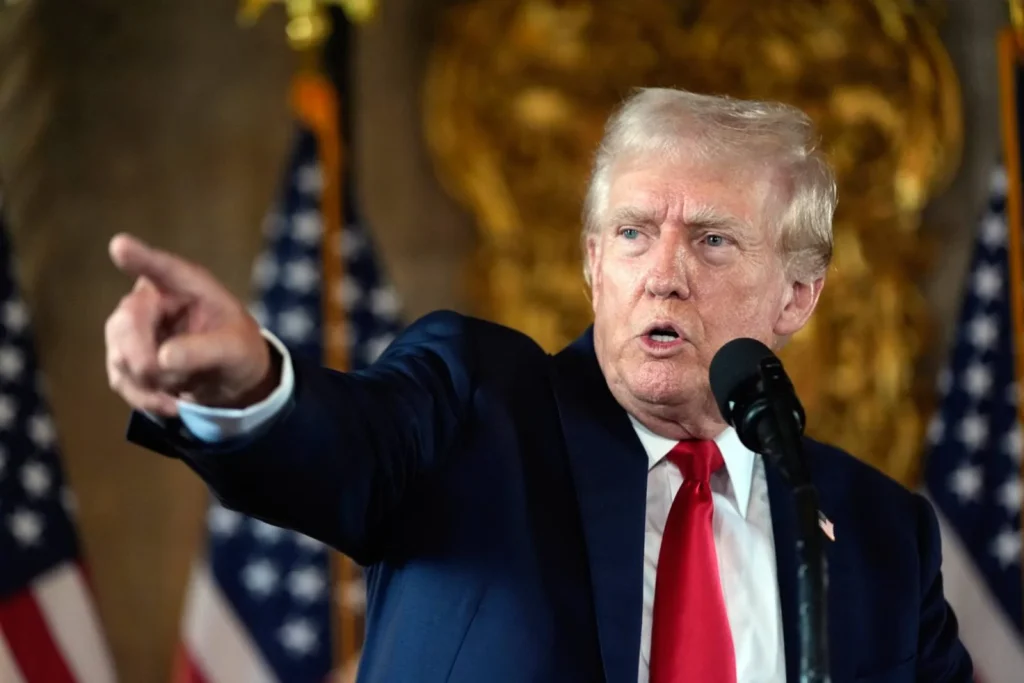
Conversely, opinion polls have shown a decline in President Donald Trump's approval rating concerning economic management, with support dropping to 42%, the lowest level in several months. This raises concerns about the potential impact on the upcoming elections.
Details of Retail Sales Growth
Retail sales are a key indicator of the health of the US economy, reflecting consumer spending, which constitutes a significant portion of the gross domestic product (GDP). Several factors have contributed to this increase, including rising wages and an improving labor market, which have encouraged consumers to spend more.
Despite these positive figures, the decline in Trump's approval rating indicates a general public concern regarding inflation and rising prices of essential goods, which could negatively affect the economy in the near future.
Background & Context
Historically, the United States has experienced fluctuations in retail sales, influenced by various economic and political factors. In recent years, the US economy has faced significant challenges, including the COVID-19 pandemic, which has greatly impacted consumer behavior.
The pandemic led to changes in spending patterns, with many consumers shifting their focus to essential goods and services. As the economy begins to recover, the recent increase in retail sales may signal a shift back towards more discretionary spending.
Impact & Consequences
These developments could significantly influence the upcoming elections, as Trump relies on voter support regarding economic issues. The decline in approval ratings may compel him to take urgent measures to improve the economic situation, such as introducing new incentives or tax cuts.
Furthermore, the rise in retail sales could encourage businesses to increase production and hire more workers, potentially leading to an overall improvement in the economic landscape. However, the administration must address concerns about inflation to maintain consumer confidence.
Regional Significance
The implications of these economic indicators extend beyond the US, potentially affecting trade and investment relationships with Arab countries. As the US economy stabilizes, it may lead to increased economic cooperation and trade opportunities in the region.
In conclusion, the interplay between rising retail sales and declining presidential approval ratings presents a complex scenario for the US economy. Stakeholders will be closely monitoring these trends as they prepare for the upcoming electoral cycle.