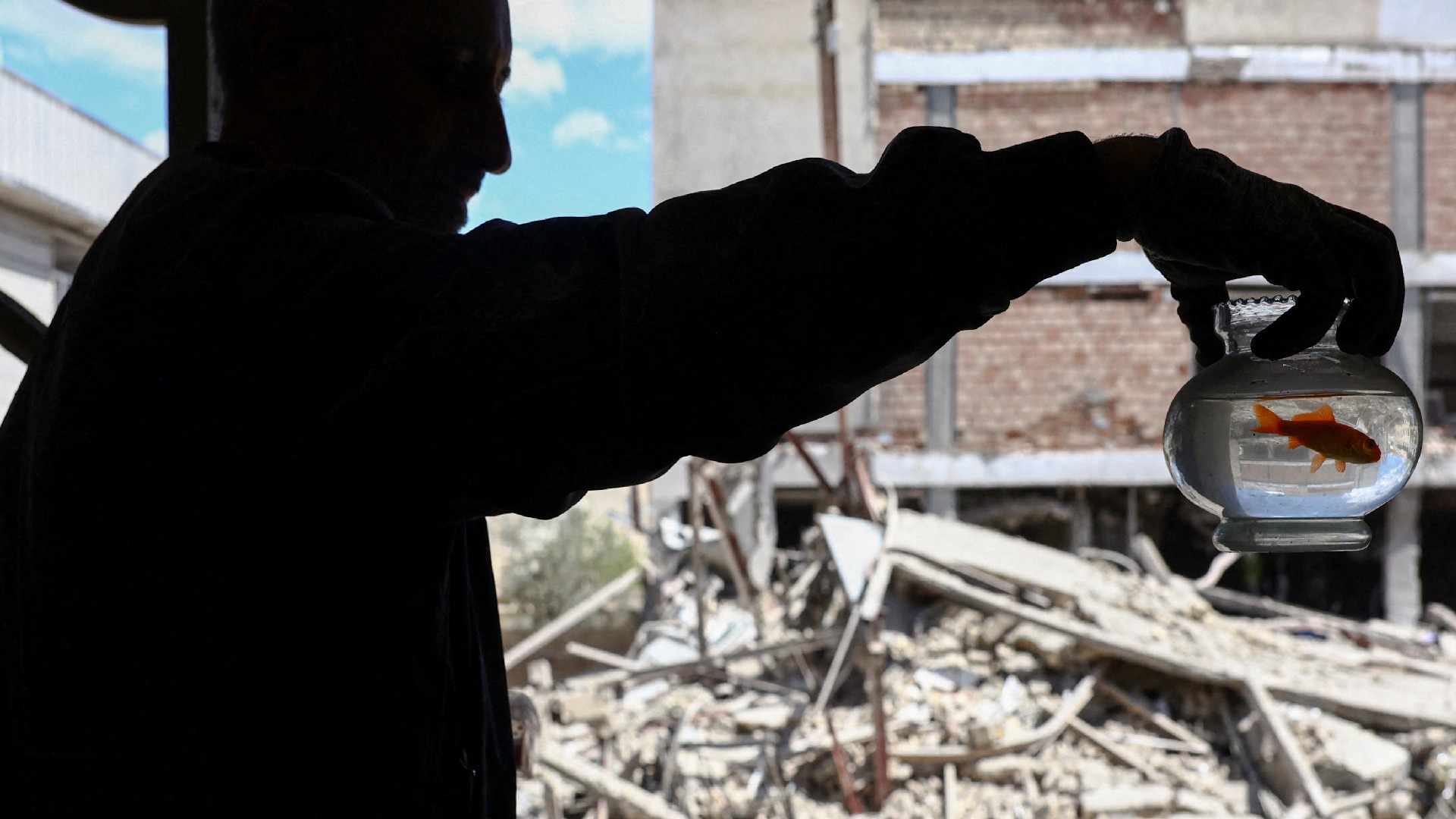
The Lebanese Ministry of Health has announced that the death toll from Israeli attacks on Lebanon since March 2 has risen to 1,318, while the number of injured has reached 3,935. These figures come at a time when tensions between Lebanon and Israel are escalating, raising concerns about the humanitarian situation in the country.
Israeli attacks on Lebanon continue, targeting residential areas and infrastructure, exacerbating the suffering of civilians. The ministry confirmed that these numbers reflect the catastrophic situation faced by the Lebanese people amid rising hostilities.
Details of the Event
The Israeli attacks on Lebanon have persisted since the beginning of March, focusing on multiple areas, leading to numerous casualties. Reports indicate that most victims are civilians, including women and children, intensifying the humanitarian crisis in the country.
These events occur against the backdrop of deteriorating economic and social conditions in Lebanon, where the Lebanese people are suffering from multiple crises, including shortages of food and medical supplies, complicating the situation further.
Background & Context
Historically, Lebanon has witnessed multiple conflicts with Israel, with ongoing tensions for decades. The recent conflict is part of the continuous struggle between Israel and Hezbollah, a key player in the Lebanese arena. This conflict has deep roots, dating back to the Israeli occupation of Lebanon in the 1980s and the subsequent conflicts.
Concerns are growing that these attacks could lead to a greater escalation in the region, as Lebanon is considered a major point of tension in the Arab-Israeli conflict. Additionally, the internal political situation in Lebanon complicates matters, as the country suffers from sharp political divisions.
Impact & Consequences
The repercussions of these attacks extend beyond humanitarian dimensions, affecting regional stability as a whole. The escalation of violence in Lebanon could have negative consequences for neighboring countries, especially given the presence of Syrian refugees in Lebanon, who are already enduring harsh conditions.
Furthermore, the rise in violence may impact relations between Lebanon and other Arab countries, potentially leading to polarized positions among nations in the region, complicating the political landscape further.
Regional Significance
The events in Lebanon are part of the larger picture of the conflict in the Middle East, where Arab countries are directly affected by what is happening in Lebanon. The humanitarian crises in Lebanon could lead to an influx of refugees into neighboring countries, increasing the pressures on these nations.
Moreover, the continuation of Israeli attacks may provoke reactions from Arab countries, which could contribute to escalating tensions in the region. It is crucial for Arab nations to stand in solidarity with Lebanon during these difficult times and to work on providing necessary humanitarian support.