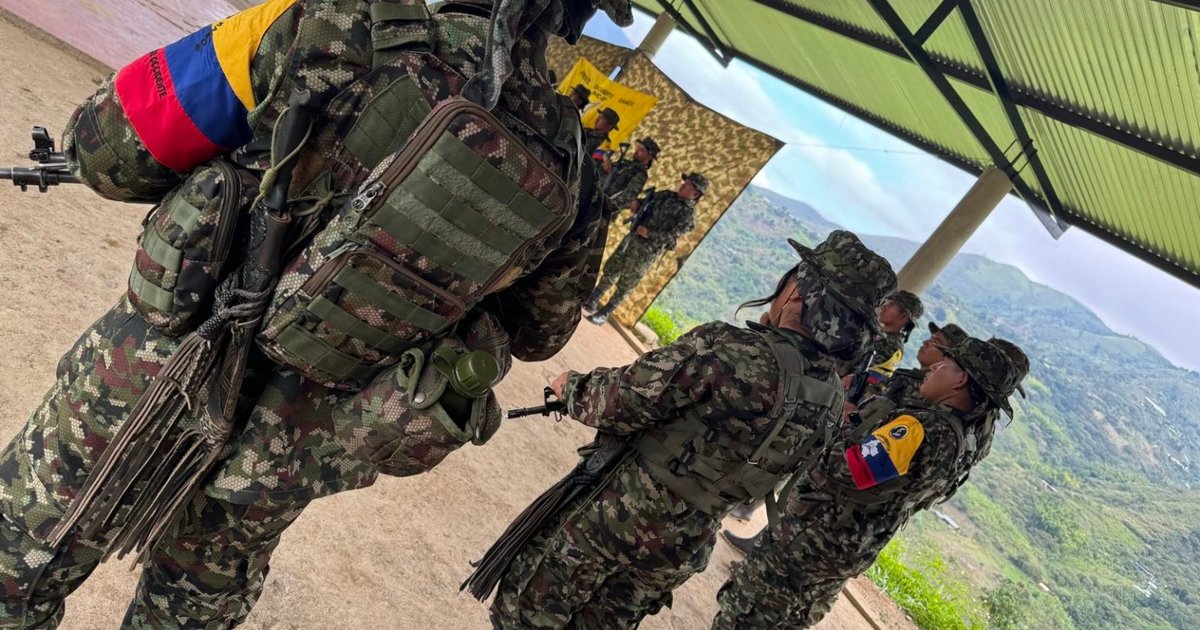
Colombia has recently experienced a concerning escalation in violence, with ten individuals killed in armed clashes between rival gangs in the city of Cali. These incidents occur at a critical juncture for the country, as the government strives to establish peace and stability after years of armed conflict.
According to local reports, the clashes erupted in a popular neighborhood in Cali, where gangs exchanged gunfire violently, resulting in the deaths of ten people and injuries to several civilians. Local authorities confirmed that the clashes were a result of a struggle for control over the drug trade in the area, which is considered one of the most violence-affected regions in Colombia.
Details of the Incident
Eyewitnesses described horrific scenes, with gunfire echoing throughout the neighborhood, creating panic among residents. Security forces were summoned to the area to restore order, but the clashes continued for several hours before the troops could regain control of the situation. The Colombian government has stated that it will take strict measures against armed gangs, yet many residents feel unsafe and are demanding more protection.
Cali is regarded as one of the cities most affected by violence in Colombia, having seen a rise in armed gang activity in recent years. The Colombian government is working on implementing plans to reduce violence and enhance security; however, challenges remain, especially in areas controlled by gangs.
Background & Context
Historically, Colombia has suffered from decades of armed conflict between the government and rebel groups, alongside a drug trade that has contributed to the prevalence of violence. Despite signing a peace agreement with the FARC group in 2016, many other armed groups remain active, hindering efforts for peace and stability in the country.
In recent years, the Colombian government has attempted to bolster security by increasing the number of police and military forces in violence-affected areas. However, corruption and the weakness of security institutions continue to pose obstacles to achieving sustainable security.
Impact & Consequences
These events significantly impact the lives of civilians in Colombia, as many live in a state of fear and anxiety due to ongoing violence. The escalation of violence may also affect the local economy, as investors tend to avoid entering conflict-affected areas.
Furthermore, the persistence of violence could exacerbate humanitarian crises in the country, forcing many residents to flee their homes in search of safety. The government needs to take effective steps to address these issues, including enhancing dialogue with local communities.
Regional Significance
Although Colombia is geographically distant from the Arab region, the events there raise global concerns regarding security and stability. Many Arab countries have interests in promoting regional security, which could be adversely affected if violence in Colombia continues.
Additionally, the drug trade originating in Colombia may impact global markets, including Arab nations, necessitating international cooperation to combat this phenomenon.
In conclusion, Colombia continues to face significant challenges in its pursuit of peace and stability, and the international community must support the government's efforts to address issues of violence and drug trafficking.