The U.S. International Development Finance Corporation has raised the insurance guarantees for ships crossing the Strait of Hormuz to $40 billion. This move is part of the corporation's efforts to enhance maritime security, in collaboration with several major insurance companies.
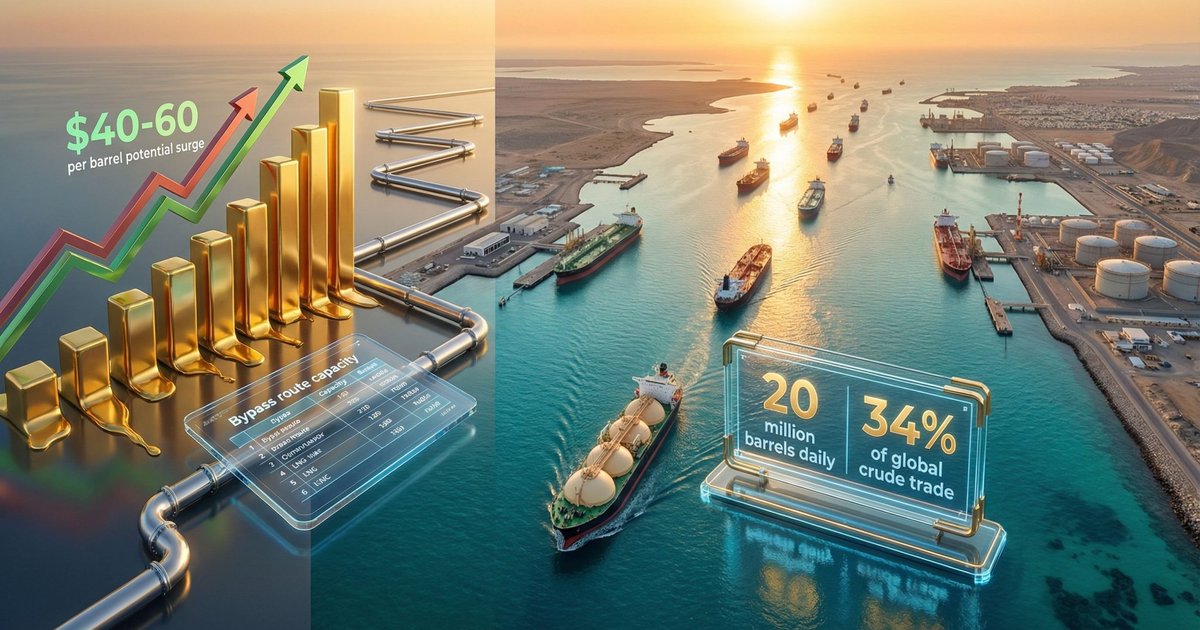
The Strait of Hormuz, considered one of the most vital waterways in the world, sees significant traffic from commercial vessels, with approximately 20% of the world's oil passing through it. Therefore, any threats or tensions in this area can significantly impact global energy markets.
Details of the Announcement
The United States aims to provide a safe environment for commercial vessels amid escalating tensions in the region. Officials from the corporation stated that these guarantees would help protect U.S. and international commercial interests and provide necessary support for ships traversing this strategic passage.
This announcement comes at a sensitive time, as fears of potential threats from certain regional actors have increased, prompting the U.S. to take proactive measures to bolster maritime security.
Background & Context
The Strait of Hormuz is a critical transit point for oil and has historically witnessed tensions between Iran and Western countries. In recent years, the strait has experienced several incidents, including attacks on oil tankers, heightening concerns about navigation safety in the area.
Historically, the United States has deployed naval forces to the region to ensure freedom of navigation, but with rising tensions, it has become essential to enhance financial guarantees to protect commercial vessels.
Impact & Consequences
Raising insurance guarantees to $40 billion could have significant effects on global oil markets. With increasing security pressures, oil prices may rise due to concerns over supply disruptions. Furthermore, this move could escalate tensions between the United States and Iran, potentially negatively impacting regional stability.
Additionally, these measures may affect shipping and global trade companies, as they will increase insurance costs, which could be reflected in the prices of goods and services in global markets.
Regional Significance
The Arab countries neighboring the Strait of Hormuz, such as the United Arab Emirates and Oman, are among the most affected by tensions in this region. Any escalation in the situation could impact trade and maritime transport, leading to negative economic repercussions.
Moreover, the increase in U.S. guarantees may strengthen the position of Gulf states in facing threats, but it could also heighten tensions with Iran, which considers the Strait of Hormuz part of its national security.
In conclusion, raising insurance guarantees for crossing the Strait of Hormuz to $40 billion reflects the increasing challenges in the region and underscores the importance of maritime security under current circumstances.