The Indonesian Financial Services Authority (OJK) announced a remarkable increase in the number of investors in the local financial market, despite the decline experienced by the Indonesian Stock Price Index (IHSG) in March 2026. The index closed at 7,048.22, marking a decrease of 14.42% compared to the previous month.
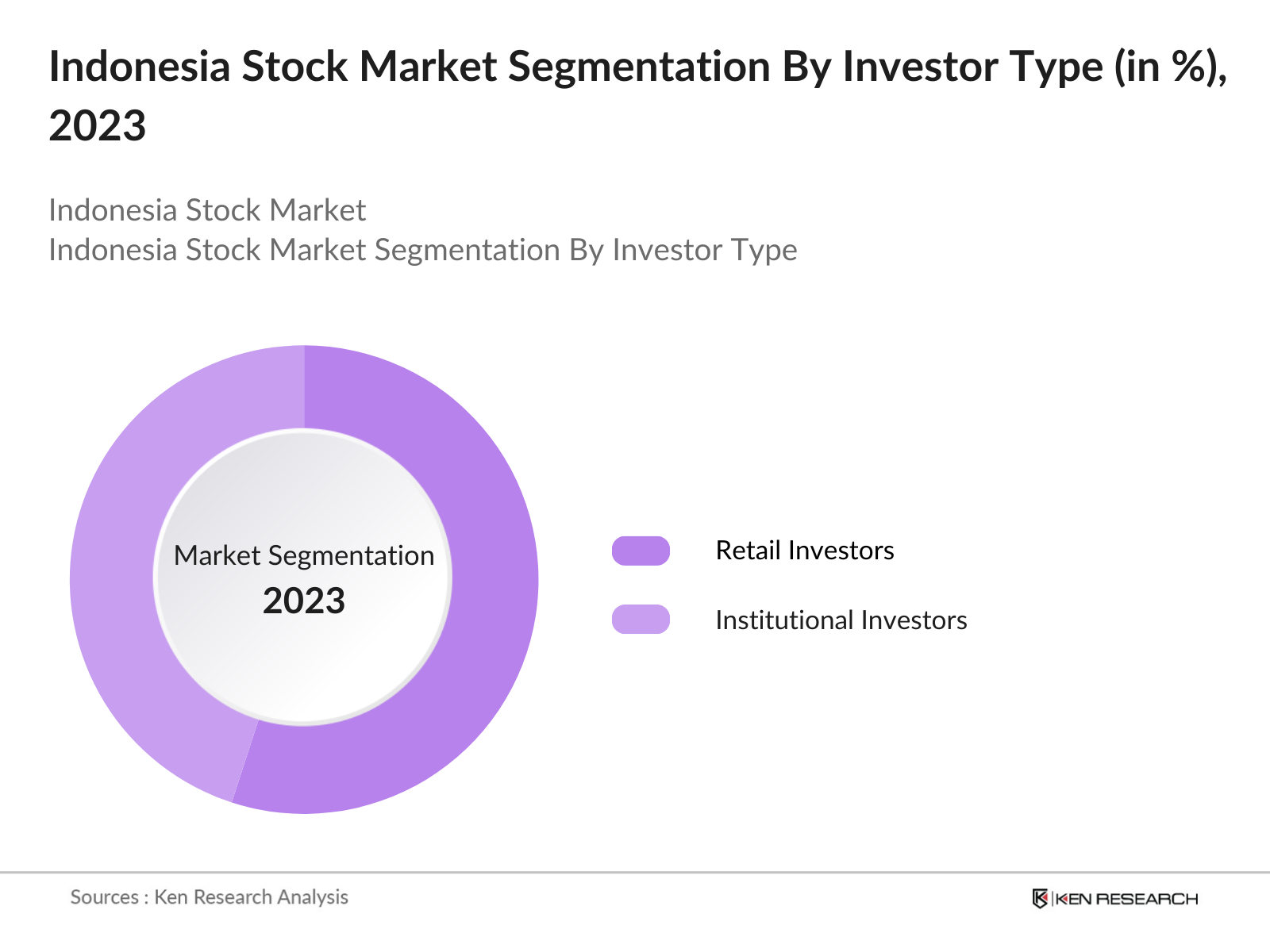
In a press conference held by the head of the Financial Market Supervisory Authority, Hassan Fawzi, in Jakarta, it was noted that the number of new investors reached 1.78 million, bringing the total to 24.74 million investors, reflecting a growth of 21.51% since the beginning of the year.
Details of the Event
Despite the market correction, the authority confirmed that liquidity and resilience in the Indonesian financial market remain strong. The market also witnessed net sales by foreign investors amounting to 23.34 trillion rupiah, reflecting the impact of global events on investor decisions.
In a related context, the Indonesian Bond Index (ICBI) recorded a decrease of 2.03%, indicating an increase in risks due to global uncertainty. Non-resident investors also recorded net sales in the bond market totaling 21.80 trillion rupiah.
Background & Context
These developments come at a time when the world is experiencing rising political and economic tensions, particularly in the Middle East, which affects global financial markets. Historically, Indonesian financial markets have been significantly influenced by global events, making them susceptible to fluctuations.
Despite these challenges, the increase in local investors indicates growing confidence in the Indonesian market, as many seek to capitalize on available opportunities under current conditions.
Impact & Consequences
Analysis of the current situation suggests that the increase in local investors may enhance market stability in the long term. Additionally, the market correction could provide new opportunities for investors looking to purchase stocks at lower prices.
However, ongoing global tensions may negatively impact investor confidence, necessitating actions from the government and financial authorities to bolster market stability.
Regional Significance
The financial markets in the Arab region are also affected by global developments, with Arab investors closely monitoring events in Indonesia. The increase in investors in Indonesia may reflect a global trend towards investing in emerging markets, potentially opening new avenues for economic cooperation between Arab countries and Indonesia.
In conclusion, the current situation in Indonesia highlights the importance of resilience in financial markets and reflects the challenges and opportunities facing investors amid changing global conditions.