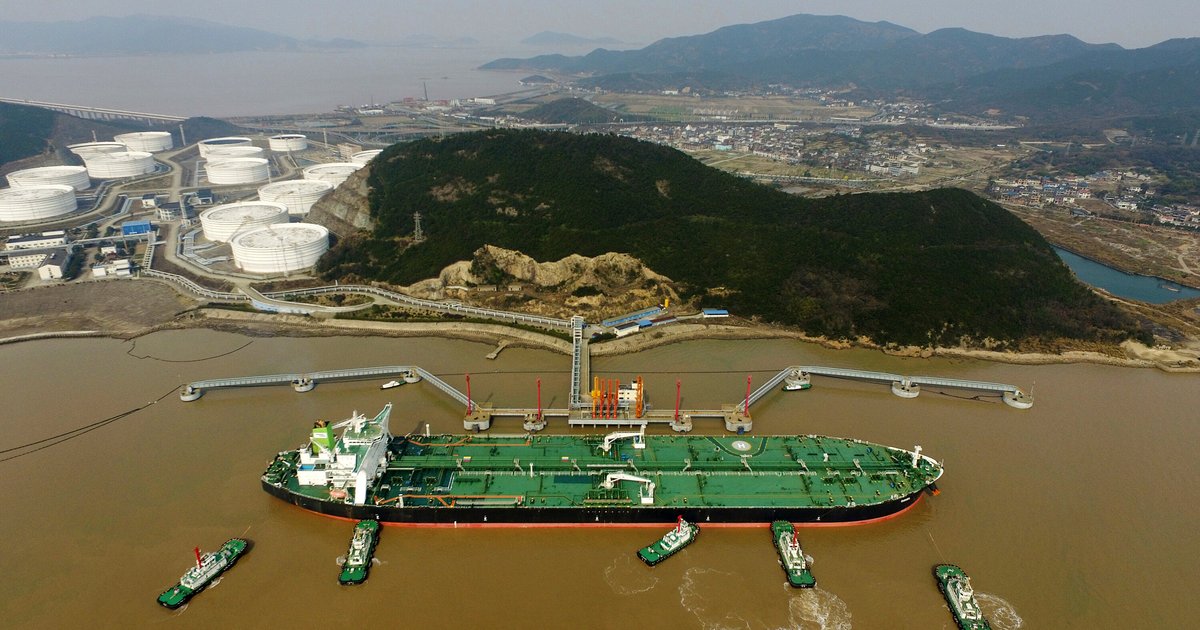
The French newspaper 'Les Echos' reports that the ongoing war led by the United States and its ally Israel against Iran since February 28 has not negatively impacted Tehran's oil exports. On the contrary, it has significantly boosted its revenues. Reports indicate that Iran is on track to double its oil revenues thanks to rising prices and reduced competition from neighboring countries.
Data shows that Iranian oil exports have seen a remarkable recovery, with revenues increasing due to the rise in global oil prices. While Iran faces economic pressures from sanctions, these pressures seem not to have affected its ability to export oil; rather, they have helped enhance its position in the global market.
Details of the Situation
The United States and its ally Israel continue to implement their strategies against Iran, yet these strategies have failed to reduce Iranian oil exports. On the contrary, reports indicate that Iran has managed to increase its oil exports to unprecedented levels, reflecting Tehran's ability to adapt to challenging economic conditions.
This increase in oil revenues is a direct result of rising oil prices in global markets, coupled with reduced competition from neighboring countries suffering from economic or political issues. Additionally, Iran has benefited from increased demand for oil in certain markets, which has helped bolster its exports.
Background & Context
Since 2018, the United States has imposed strict economic sanctions on Iran, significantly impacting its economy. However, Tehran has managed to adapt to these sanctions by developing its trade relations with other countries, especially in Asia. Iran has also strengthened its oil infrastructure, which has helped increase its production capacity.
Historically, Iran has been one of the largest oil producers in the world, but sanctions led to a temporary decline in its production. Nonetheless, the current increase in its exports indicates that Iran has found new ways to overcome the challenges it faces.
Impact & Consequences
The increase in Iranian oil exports is a sign of its resilience against external pressures. This situation could affect American and Israeli strategies in the region, potentially prompting a reassessment of the policies employed against Iran. Moreover, the increase in oil revenues may enhance Iran's capacity to support its economic and military activities, complicating the geopolitical landscape in the region.
Furthermore, this situation could lead to heightened tensions between Iran and Western countries, as the United States may seek to impose further sanctions or take other actions to limit Iran's ability to export oil. In response, Iran may seek to strengthen its relations with countries that do not follow U.S. policies.
Regional Significance
The increase in Iranian oil exports directly impacts Arab countries, especially those that rely on oil as a primary source of revenue. This could lead to increased competition in the oil market, potentially affecting prices and revenues in oil-producing Arab nations.
Additionally, Iran's enhancement of its economic capabilities could increase its influence in the region, leading to changes in political and economic alliances. Under these circumstances, Arab countries must reassess their strategies for dealing with Iran and the implications of this increase in its oil exports.
In conclusion, it appears that Iran has managed to overcome the challenges posed by sanctions and wars, reflecting its ability to adapt and endure. As pressures continue, the question remains about how this will affect the stability and security of the region in the future.