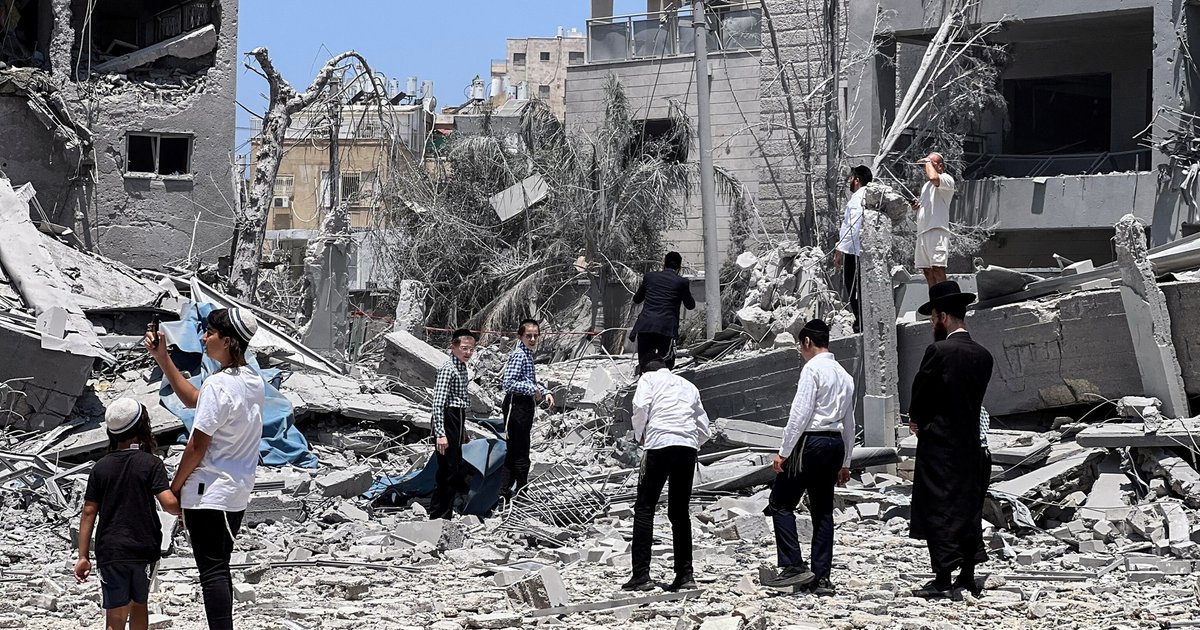
A recent survey has shown that a majority of Israelis support the ongoing war with Iran, yet many express doubts about its ability to resolve the long-term security issues facing Israel. Additionally, some citizens raise questions about the intentions of the Israeli Prime Minister, reflecting a state of anxiety and uncertainty within Israeli society.
These findings come at a sensitive time, as tensions between Israel and Iran escalate, with Tel Aviv accusing Iran of supporting armed groups in the region, thereby increasing security concerns. While some believe that war may be necessary to protect national security, others feel that military solutions will only exacerbate the situation.
Details of the Survey
The opinion poll conducted by several research entities revealed that approximately 65% of participants support military operations against Iran, while 35% expressed concern that these operations may not yield positive results. Some citizens have voiced their distrust in the statements made by the Israeli Prime Minister, considering them potentially driven by domestic political goals rather than a genuine response to security threats.
This division in opinions reflects a state of political instability in Israel, where the Prime Minister seeks to bolster his position amid internal and external challenges. With increasing pressure from various political parties, it seems that the Israeli government is struggling to achieve consensus on its strategy towards Iran.
Background & Context
Historically, relations between Israel and Iran have been tense since the Islamic Revolution in 1979, when Iran regarded Israel as a primary enemy. Since then, the region has witnessed numerous conflicts involving both Iran and Israel, leading to heightened tensions in the Middle East.
In recent years, Iran has intensified its support for armed groups in the region, such as Hezbollah in Lebanon, prompting Israel to take preemptive military actions. This dynamic has led to an escalation of tensions, as Israel feels compelled to protect its borders from increasing threats.
Impact & Consequences
The ramifications of this conflict extend beyond Israel, potentially affecting the stability of the entire region. If the war continues, it could escalate conflicts in neighboring countries, threatening regional security and increasing civilian suffering.
Moreover, the continuation of the conflict may impact international relations, as major powers like the United States and Russia might intervene in the dispute, complicating the situation further. These dynamics could lead to a shift in political alliances in the region, reflecting on Arab interests more broadly.
Regional Significance
The Arab countries neighboring Israel and Iran are among the most affected by the ongoing conflict. With rising tensions, the national security of Arab states could be compromised, increasing the need for enhanced security cooperation among these nations.
Additionally, the continuation of the war may lead to a flow of refugees from conflict zones, placing additional pressures on Arab countries hosting these refugees. Consequently, the situation demands a coordinated response from Arab states to address the escalating challenges.
In conclusion, the question remains whether the war with Iran will lead to lasting security for Israel or further complicate the situation in the region. The challenges facing Israel require comprehensive strategies that consider political, security, and humanitarian dimensions.