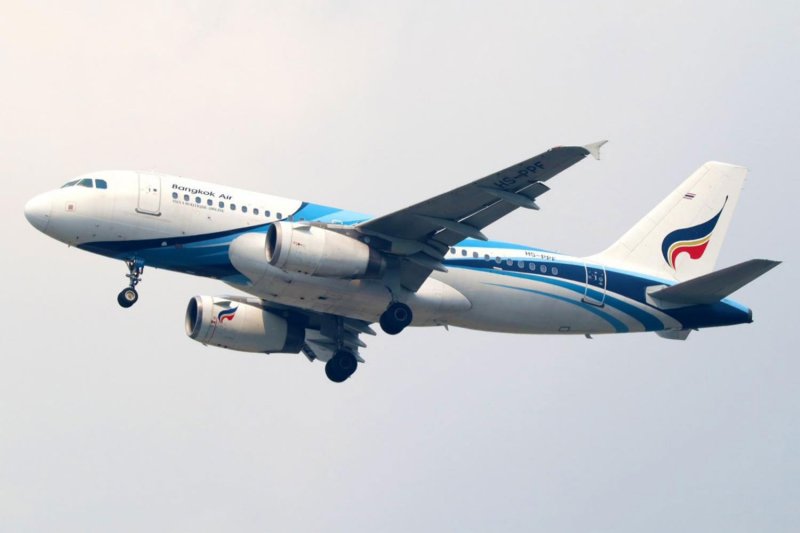
Bangkok Airways, listed on the Thailand Stock Exchange, has announced its intention to increase local flight ticket prices by between 15% and 20% starting from April 1. This decision comes in light of rising fuel costs and a 3% decline in future bookings for the second quarter of the year. The company is also considering negotiating with the Civil Aviation Authority of Thailand to raise price ceilings if operational costs continue to escalate.
Putthipong Prasarttong-Osoth, the airline's president, stated that fuel costs accounted for 16% of total expenses in 2025, which amounted to 20.7 billion baht. Crises in the Middle East have led to increased jet fuel prices, suggesting that fuel costs could reach 20% of expenses this year.
Event Details
In 2025, Bangkok Airways achieved revenues of 26.1 billion baht and a net profit of 3.58 billion baht, reflecting a 3.4% decrease from the previous year. The company has secured fuel prices at a level between $80 and $90 per barrel for about 30% of its needs, which has somewhat mitigated the impact of crises, although it has not been able to fully absorb the high costs.
In addition to raising ticket prices, the airline has also gradually increased fuel surcharges on international flights. According to the International Air Transport Association, jet fuel prices have risen by 106% compared to the previous month's average.
Background & Context
Bangkok Airways is considered one of the leading airlines in Thailand and has been significantly affected by global crises, including conflicts in the Middle East impacting fuel prices. Before the outbreak of the Gulf conflict, the airline had set cautious targets for 2026, anticipating an occupancy rate of 80%.
Forecasts indicate that the number of passengers and flights will remain unchanged from last year, with an expected 4.3 million passengers and 48,000 flights. The fleet size is also expected to remain at around 25 aircraft, with only two aircraft deliveries confirmed by the end of this year.
Impact & Consequences
The airline anticipates that ongoing tensions in the Middle East will affect its operations, potentially prompting it to take additional measures such as reducing the number of destinations or frequency of flights on underperforming sectors. It may also negotiate with the Civil Aviation Authority to extend the limits on local ticket prices, as some routes like Bangkok-Samui and Bangkok-Phuket are approaching the set ceiling.
On March 16, future bookings between April and September showed a 1% increase compared to the previous year, although the second quarter experienced a 3% decline, particularly in international flights. Additionally, bookings at Samui Airport dropped by 4%, with domestic flights down by 19% and international flights by 10%.
Regional Significance
The increase in flight ticket prices in Thailand is indicative of the challenges facing the global aviation sector, particularly amid political and economic crises. This rise may impact Arab tourism to Thailand, as the country is a popular destination for Arab tourists. Furthermore, the continued rise in fuel prices could affect Arab airlines that rely on imported fuel.
In conclusion, these developments underscore the importance of monitoring global economic and political conditions and their impact on the aviation sector, necessitating proactive measures by companies to address future challenges.