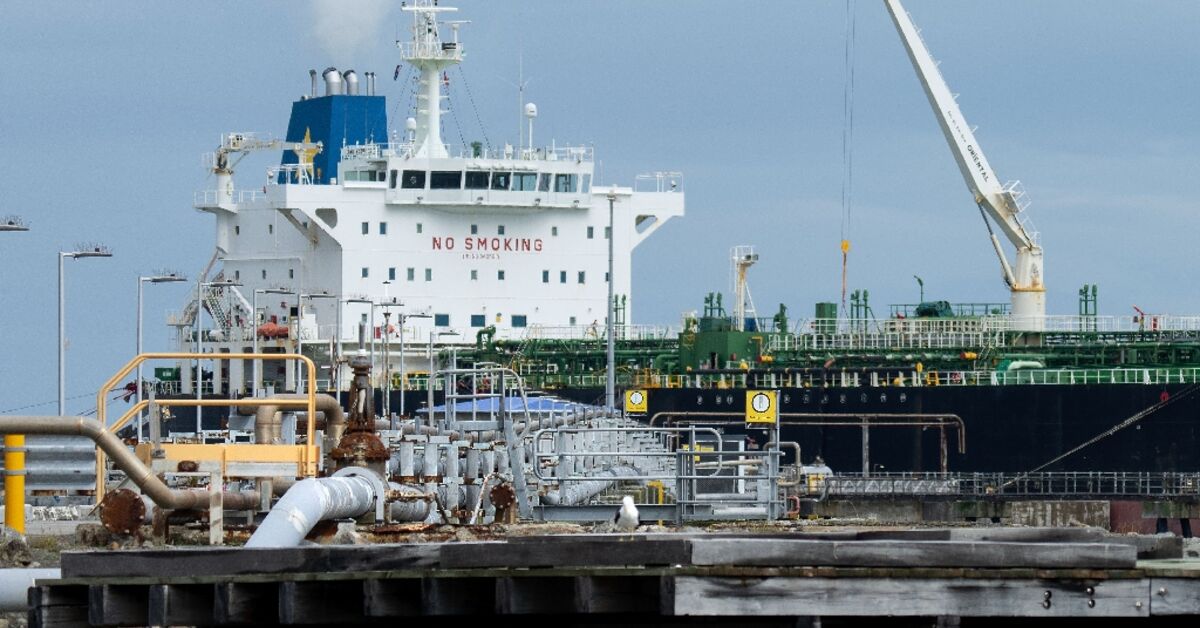
The rising threat from Iranian forces to ships in the vital Strait of Hormuz has led to a significant increase in marine insurance costs, impacting the global shipping industry. This escalation occurs amid heightened tensions from U.S. and Israeli military pressures on Iran, which have reduced shipping activity in this strategic waterway.
The Strait of Hormuz is a crucial transit point for oil and natural gas, with approximately 20% of the world's total oil passing through it. As threats escalate, insurance costs have risen sharply, placing additional pressure on shipping companies that rely on this corridor.
Details of the Situation
Reports indicate that marine insurance has become up to 50% more expensive in some cases due to ongoing threats from Iranian forces. This increase in costs directly affects shipping prices, which may lead to higher prices for goods in global markets.
Concerns are growing that any military escalation in the region could lead to the closure of the Strait of Hormuz, impacting global oil supplies and increasing instability in markets. Some major shipping companies have already reported a decline in their activities due to these rising risks.
Background & Context
Historically, the Strait of Hormuz has been a theater for numerous military and political conflicts, with ongoing tensions between Iran and Western countries, particularly the United States. In recent years, these tensions have significantly increased, especially following the U.S. withdrawal from the Iranian nuclear deal in 2018.
Additionally, Israeli military operations against Iranian facilities in Syria and Iraq have heightened tensions, prompting Iran to threaten Western interests in the region, including commercial vessels.
Impact & Consequences
These developments significantly affect the global economy, as any disruption in oil supplies can lead to rising energy prices, impacting all economic sectors. Furthermore, increased insurance costs may reduce the volume of global trade, as goods become more expensive.
Moreover, the continuation of these tensions could prompt some countries to reassess their military and economic strategies in the region, potentially leading to changes in political and economic alliances.
Regional Significance
For Arab countries, the escalation of tensions in the Strait of Hormuz represents a direct threat to their economic interests, particularly those reliant on oil exports. The rise in shipping costs may also affect the prices of essential goods, increasing economic pressures on citizens.
Arab nations must be prepared to face these challenges by enhancing regional cooperation and developing alternative strategies to ensure the continuity of trade in the event of worsening conditions in the region.