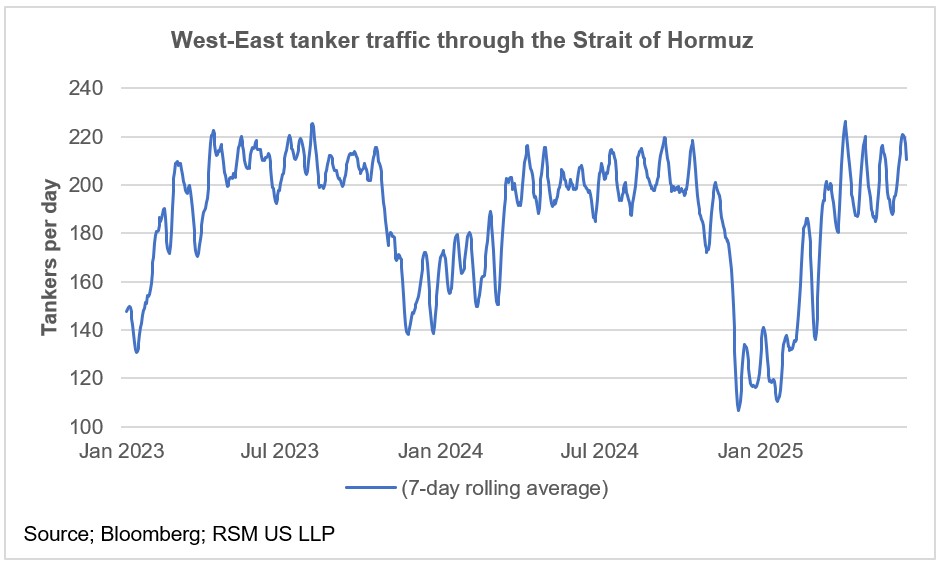
Maritime traffic in the Strait of Hormuz has recorded a notable increase, with reports from the United Nations Conference on Trade and Development (UNCTAD) and Windward maritime intelligence indicating that 16 ships crossed the strait on April 1, compared to 11 ships the previous day. Despite this increase, traffic remains significantly below its normal levels prior to the outbreak of the conflict between the United States, Israel, and Iran.
Data shows that maritime traffic in the strait has risen over three consecutive days, with 16 ships recorded crossing on April 1, reflecting a growing interest from countries to negotiate with Iran to secure shipping routes through this strategic passage. The Strait of Hormuz is considered one of the most important maritime corridors in the world, with approximately 25% of global oil trade passing through it.
Details of the Event
According to Windward reports, 62% of the vessels that crossed the strait on April 1 were ships under Western sanctions, indicating that Iran may be preparing to increase its activity in the region. This development is a sign that more countries may be in the process of negotiating with Iran to secure shipping routes, potentially leading to an increase in maritime traffic in the coming days.
Despite the current increase, maritime traffic remains significantly low compared to normal conditions. The number of ships crossing the strait dropped from around 130 ships daily in February to just 6 ships in March, reflecting the substantial impact of the ongoing conflict.
Background & Context
The Strait of Hormuz is a vital maritime passage linking the Arabian Gulf with the Gulf of Oman and is a major transit point for oil and natural gas. Previously, around 20 million barrels of oil passed through this strait daily. As tensions escalated between Iran and the United States and its allies, Iran imposed restrictions on maritime traffic as part of its strategy to respond to military attacks.
The current conflict began on February 28, 2026, when the United States and Israel launched a joint attack on Iran, leading to heightened tensions in the region and new sanctions on Tehran. This conflict has significantly affected maritime traffic in the strait, resulting in a sharp decline in the number of crossing vessels.
Impact & Consequences
The increase in maritime traffic in the Strait of Hormuz is an indicator of improving conditions, but it is still insufficient to offset the sharp decline experienced in recent months. If countries continue to negotiate with Iran, we may witness a larger increase in maritime traffic, which could contribute to stabilizing global markets.
However, the continuation of military tensions could exacerbate conditions, negatively impacting maritime traffic and increasing associated risks. The stability of maritime traffic in the strait heavily depends on developments in the conflict between Iran and the United States and its allies.
Regional Significance
Maritime traffic in the Strait of Hormuz directly affects Arab countries, many of which rely on oil and natural gas passing through this strait. Any disruptions in maritime traffic could lead to rising oil prices, impacting Arab economies and increasing the economic challenges they face.
In conclusion, maritime traffic in the Strait of Hormuz remains a vital topic requiring close monitoring, as any changes in conditions could affect regional stability and global markets.