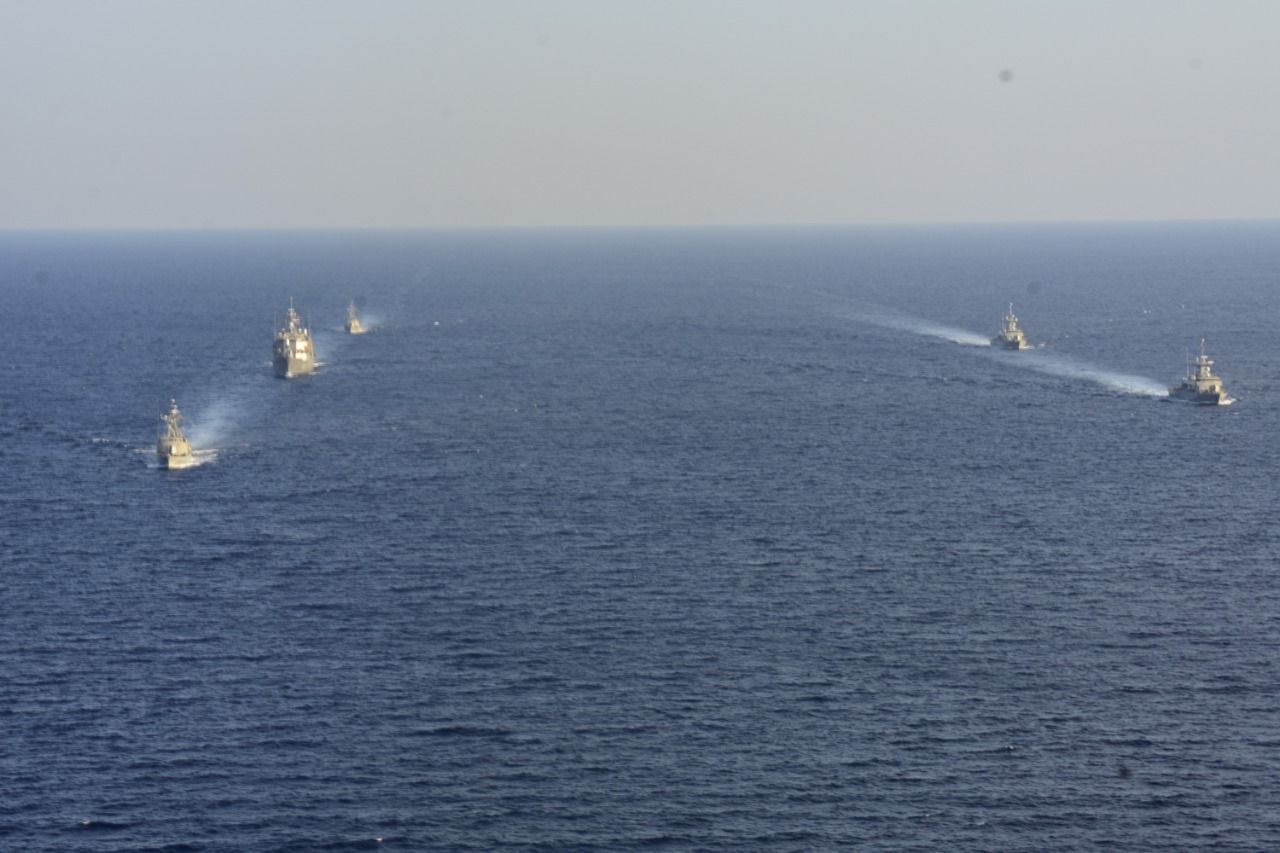
The Strait of Hormuz, considered one of the most important maritime corridors in the world, has experienced a notable rise in maritime traffic, reaching its highest levels since the early days of the war. This increase comes as several countries secure safe passage agreements with Iran, indicating an improvement in security conditions in the region.
Reports suggest that this uptick in maritime traffic reflects nations' desires to bolster their maritime trade, particularly amid ongoing tensions in the area. The Strait of Hormuz is a vital point for oil and gas transportation, with approximately 20% of the world's total oil passing through it.
Details of the Event
According to informed sources, the countries that have signed safe passage agreements with Iran include nations from various parts of the world, highlighting a growing interest in securing maritime trade routes. These agreements may help mitigate risks associated with military tensions and provide a more stable environment for navigation.
The increase in maritime traffic may also be a result of rising global demand for oil and gas, especially as the global economy recovers from the impacts of the COVID-19 pandemic. Additionally, some countries are seeking to diversify their energy sources, further enhancing the significance of the Strait of Hormuz as a crucial corridor.
Background & Context
The Strait of Hormuz has a long history of political and military tensions, having witnessed numerous crises over the past decades. This strait serves as a strategic transit point, linking the Arabian Gulf to the Gulf of Oman, and is a lifeline for many oil-producing nations.
In recent years, tensions between Iran and Western countries have escalated, impacting maritime traffic in the region. However, the new agreements may signal the beginning of a new phase of cooperation between Iran and other nations, potentially contributing to regional stability.
Impact & Consequences
The increase in maritime traffic through the Strait of Hormuz could lead to improved trade relations among countries, which may contribute to strengthening the global economy. Furthermore, stability in navigation through this vital strait can positively influence global oil prices.
On the other hand, any escalation in tensions could have negative effects on maritime traffic, potentially causing disruptions in global markets. Therefore, maintaining safe passage agreements will have a significant impact on regional stability.
Regional Significance
Arab oil-producing countries, such as Saudi Arabia and the UAE, are among the biggest beneficiaries of stable maritime traffic in the Strait of Hormuz. An increase in maritime traffic translates to higher oil exports, which supports the Arab economy.
Moreover, regional stability may open new avenues for cooperation between Arab nations and Iran, contributing to achieving security and stability in the region as a whole.
The rise in maritime traffic in the Strait of Hormuz reflects an improvement in security and economic conditions, which could have positive implications for global trade and regional stability.