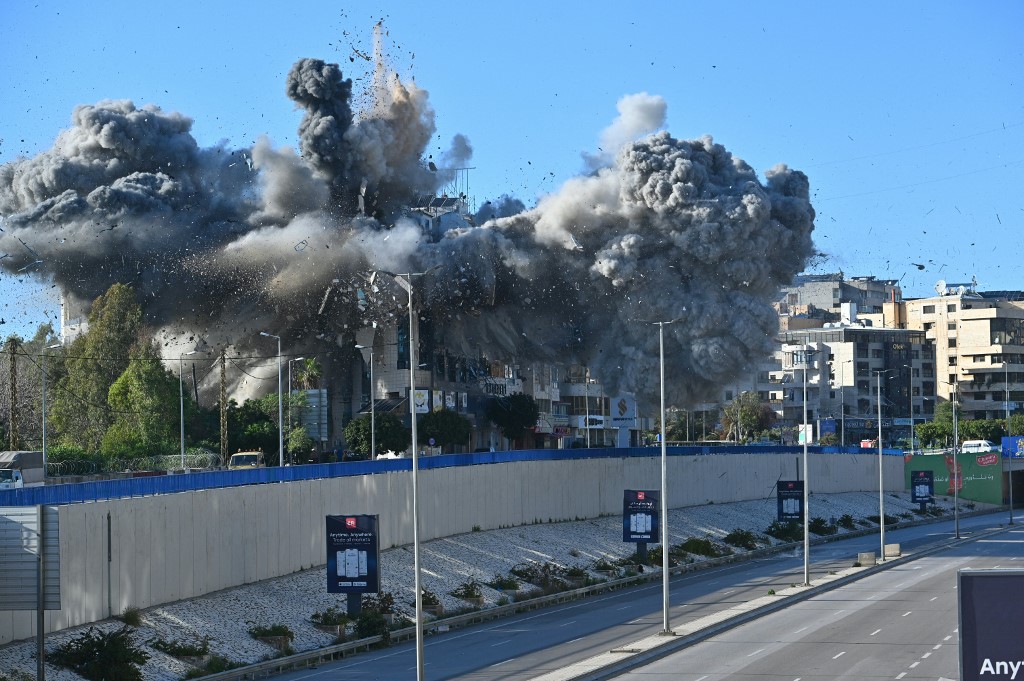
Emergency medical needs in Iran are sharply rising, as the International Committee of the Red Cross warns of supply shortages if the US-Israeli conflict continues. The head of the committee's delegation indicated that medical supplies, including first aid kits, could run out if the conflict persists.
At the same time, Yuri Ushakov, an aide to Russian President Vladimir Putin, confirmed that the Strait of Hormuz remains open to Russia, reflecting the importance of this waterway amid current tensions. This statement comes at a sensitive time as fears of escalating conflict in the region grow.
Details of the Event
Reports indicate that the Houthi group in Yemen has carried out a military operation using ballistic missiles targeting what it described as vital Israeli sites. This move reflects an escalation in regional tensions and underscores the increasing role of the Houthis in the regional conflict.
In another context, a drone company backed by Eric Trump and Donald Trump Jr., sons of former US President Donald Trump, is seeking to sell equipment to Gulf countries that rely on US military support. This move indicates the intertwining of business interests with the political dimensions of the conflict.
Background & Context
The region has been experiencing rising tensions for some time, as American and Israeli interests intersect with Iranian influence. The US-Israeli war on Iran is not new, but it has seen a significant escalation in recent months, exacerbating humanitarian crises in Iran.
Historically, Iran has been a focal point for major powers, as the United States and its allies seek to reduce its influence in the region. This conflict directly impacts humanitarian conditions in Iran, where citizens are suffering from shortages of medical and food supplies.
Impact & Consequences
Analyses confirm that the continuation of the conflict will exacerbate humanitarian conditions in Iran, potentially creating a larger humanitarian crisis. Additionally, military escalation could provoke reactions from other countries in the region, complicating the situation further.
These events are likely to affect relations between major powers, as Russia seeks to enhance its role as a mediator in the conflict. The communication between Putin and the Saudi Crown Prince reflects this trend, as both parties aim to find diplomatic solutions.
Regional Significance
Arab countries are directly affected by the rising tensions in Iran, as humanitarian crises could lead to refugee flows and increased internal tensions. The escalation by the Houthis also reflects the growing security challenges faced by Gulf states.
In conclusion, the current situation in Iran and the Arab region requires urgent international attention, as the continuation of the conflict could have dire consequences for regional and humanitarian security.