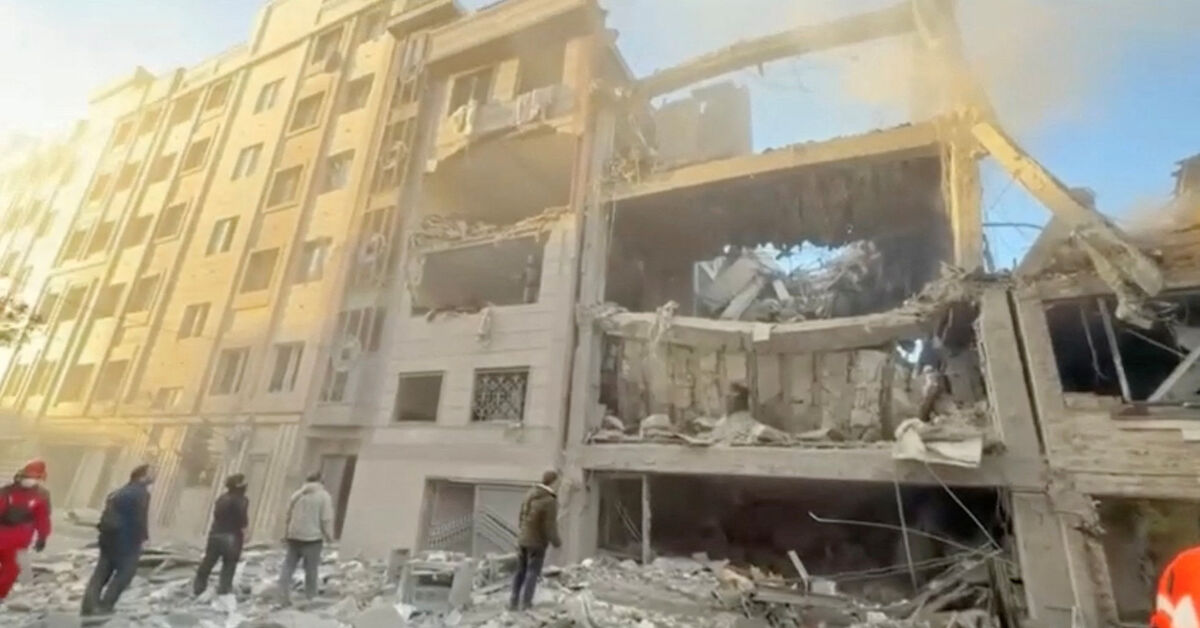
The emergency medical needs in Iran are escalating rapidly, with the International Committee of the Red Cross warning that supplies of medical equipment, including first aid kits, may run out if the war continues. Since the onset of U.S.-Israeli airstrikes on Iran on February 28, more than 1,900 people have been killed and over 21,000 others injured, according to reports.
These figures are extremely alarming, as the International Committee of the Red Cross is the only humanitarian body operating in the country, highlighting the deteriorating humanitarian situation in Iran. As the conflict continues, the country's healthcare system faces immense pressure to meet the needs of the injured and affected.
Details of the Situation
The pressures on the Iranian healthcare system are unprecedented, with the number of injured rising daily. Reports indicate that hospitals are experiencing severe shortages of medical supplies, making it difficult to provide necessary care for the wounded. Additionally, the country's deteriorating economic situation complicates this crisis, as citizens face difficulties in obtaining medications and treatment.
This crisis comes at a sensitive time, as Iran has already been suffering from the effects of economic sanctions imposed by the United States, which have impacted its ability to import essential medical supplies. With the escalation of the conflict, the situation has become more complicated, necessitating an urgent response from the international community.
Background & Context
Historically, Iran has faced numerous humanitarian crises due to conflicts and wars. Since the Islamic Revolution in 1979, the country has endured severe economic sanctions, affecting all aspects of life, including healthcare. In recent years, these crises have been exacerbated by political and military tensions in the region, leading to worsening humanitarian conditions.
The recent airstrikes are part of an ongoing escalation in tensions between Iran and the United States and its allies, as these countries seek to reduce Iran's influence in the region. However, it is the civilians who pay the price, facing increasing risks due to the conflict.
Impact & Consequences
The repercussions of the health crisis in Iran extend beyond national borders, affecting regional stability. As the number of displaced persons and refugees increases due to the conflict, pressures may mount on neighboring countries, exacerbating humanitarian crises in the region. Furthermore, the shortage of medical supplies could lead to the outbreak of diseases and epidemics, posing a threat to public health across the entire region.
This crisis requires a coordinated response from the international community, as countries and humanitarian organizations must work together to provide the necessary support to affected civilians. Ignoring this crisis could lead to a worsening of humanitarian conditions, threatening regional stability.
Regional Significance
The situation in Iran serves as an indicator of increasing tensions in the region, as humanitarian crises in Iran could impact neighboring countries, including Iraq, Syria, and Lebanon. The influx of refugees and displaced persons could exacerbate conditions in these countries, necessitating an urgent response from Arab governments.
Moreover, the humanitarian crises in Iran may affect relations between Arab states and Iran, as concerns about escalating tensions and conflicts may rise. Arab countries must be prepared to address these challenges and work towards enhancing regional cooperation to tackle humanitarian crises.