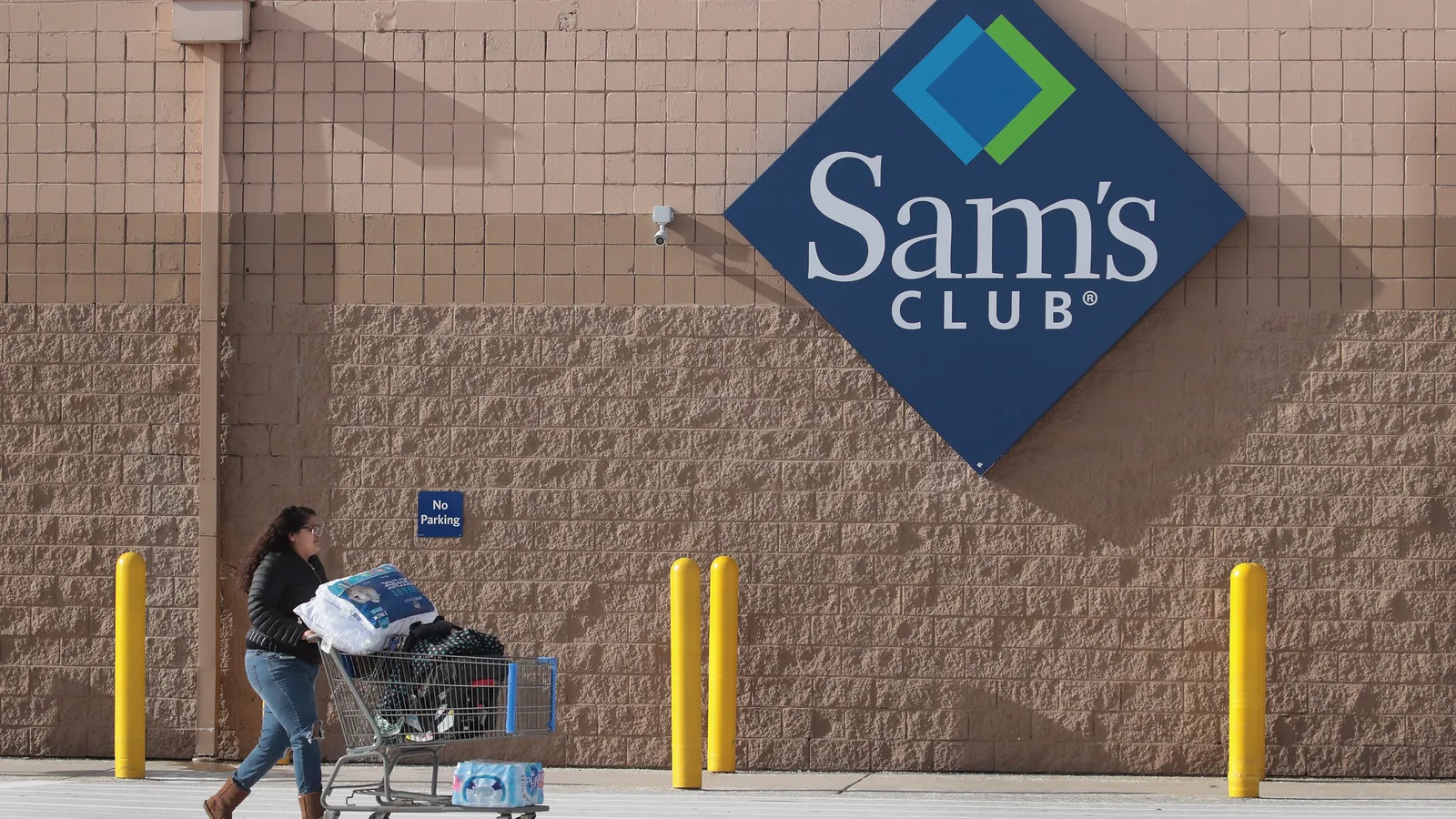
Sam's Club, owned by Walmart, announced an increase in annual membership fees from $50 to $60, effective May 1. This move comes at a time when major companies are under increasing pressure to address rising economic challenges, prompting speculation about whether Costco and BJ's will follow suit.
Sam's Club is one of the largest membership-based retail chains, offering a variety of products at discounted prices to its members. With the fee increase, many are questioning how this will impact the customer base, especially given the intense competition in the retail market.
Details of the Fee Increase
The increase in membership fees at Sam's Club comes at an unusual time, as such increases are typically implemented gradually. According to reports, this increase aims to enhance the services provided to members and boost investments in stores. The company hopes that this move will help strengthen profits amid current economic challenges.
This fee increase serves as an indicator of the general trend in the retail market, where companies are facing mounting pressures from rising operational and material costs. Analysts expect that Costco and BJ's may follow this trend, potentially leading to similar increases in membership fees in the near future.
Background & Context
Founded in 1983, Sam's Club has since become one of the leading retail chains in the United States. This chain relies on a membership-based business model, allowing members to purchase products at lower prices than the market. However, the economic challenges faced by the country in recent years, including inflation and rising shipping costs, have led to a reevaluation of pricing strategies.
In recent years, major retailers have undergone significant changes in their business models. For instance, Costco has raised membership fees in past years, eliciting mixed reactions from customers. This dynamic suggests that major companies may need to adjust their strategies to cope with market changes.
Impact & Consequences
The increase in membership fees could significantly affect consumer behavior. While some members may view the increase as justified due to improved services, others may feel frustrated and seek alternatives. This change could lead to a reduction in the number of new members, impacting the company's future revenue.
Moreover, this step may lead to increased competition among major retail chains. If Costco and BJ's also decide to raise membership fees, it could result in changes in how products and services are priced in the market overall. Companies that do not adapt to these changes may struggle to attract customers.
Regional Significance
While this news may seem to pertain only to the American market, there are lessons that companies in the Arab region can learn. With increasing economic pressures in many Arab countries, businesses may need to reevaluate their marketing and pricing strategies. Additionally, heightened consumer awareness regarding the value of membership may lead to changes in how services are offered in Arab markets.
In conclusion, the increase in membership fees at Sam's Club serves as an indicator of the challenges facing major retail companies. It is crucial to monitor market reactions and how this move will influence consumer behavior in the future.