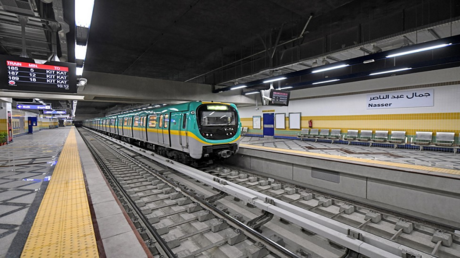
A metro official from the Egyptian Metro Authority stated that the recent increase in ticket prices primarily targets the economic tickets, which are the most used by passengers. The official confirmed that this step is part of the efforts to enhance service levels and meet citizens' needs.
The official explained that economic tickets represent a large segment of metro users, making them the focus of this increase. He noted that the new prices will help cover the rising costs faced by the authority, including operational and maintenance expenses.
Details of the Price Increase
This increase comes after a period of relative stability in metro ticket prices, as the authority had previously announced no intention to raise prices. However, the current economic conditions and rising operational costs forced the authority to reconsider its pricing policy.
This increase is expected to impact a wide range of citizens, especially those who rely on the metro as a primary means of transportation in the capital. The move has sparked mixed reactions among passengers, with some considering the increase necessary for service improvement, while others view it as an additional burden amid challenging economic conditions.
Background & Context
Historically, metro ticket prices in Egypt have seen several increases since its opening, with the last increase occurring in 2019. Since then, the authority has been striving to improve service levels and expand the network, which requires significant investments. With the growing number of passengers, it has become essential to enhance infrastructure and provide better services.
The metro authority faces significant challenges, including the need to update equipment and expand lines. This price increase may be a step towards achieving financial sustainability for the authority, but it comes at a sensitive time when many citizens are experiencing increasing economic pressures.
Impact & Consequences
The increase in ticket prices is expected to have multiple effects on transportation in Cairo. Some passengers may be forced to seek alternative means of transportation, which could increase pressure on other transport options. Additionally, this increase may affect traffic in the city, as some may prefer to use private cars instead of the metro.
On the other hand, this step could lead to improved service levels in the future, as the authority will be able to invest the new revenues in enhancing infrastructure and providing better services for passengers. However, the question remains about how this increase will affect passenger numbers in the upcoming period.
Regional Significance
The increase in metro ticket prices in Egypt is part of broader trends in the Arab region, where many countries are facing economic pressures that require a reevaluation of subsidy and pricing policies. In countries like Lebanon and Jordan, transportation prices have also seen similar increases, prompting widespread public reactions.
These changes in transportation prices in the Arab region require careful study of the social and economic implications, as any price increase could directly affect citizens' daily lives. It is essential for governments to adopt policies that balance service improvement with protecting citizens from rising financial burdens.
In conclusion, the increase in metro ticket prices in Egypt is a controversial step, requiring a balance between improving services and meeting citizens' economic demands. Attention will remain focused on passenger reactions and the impact of this increase on transportation in the capital.