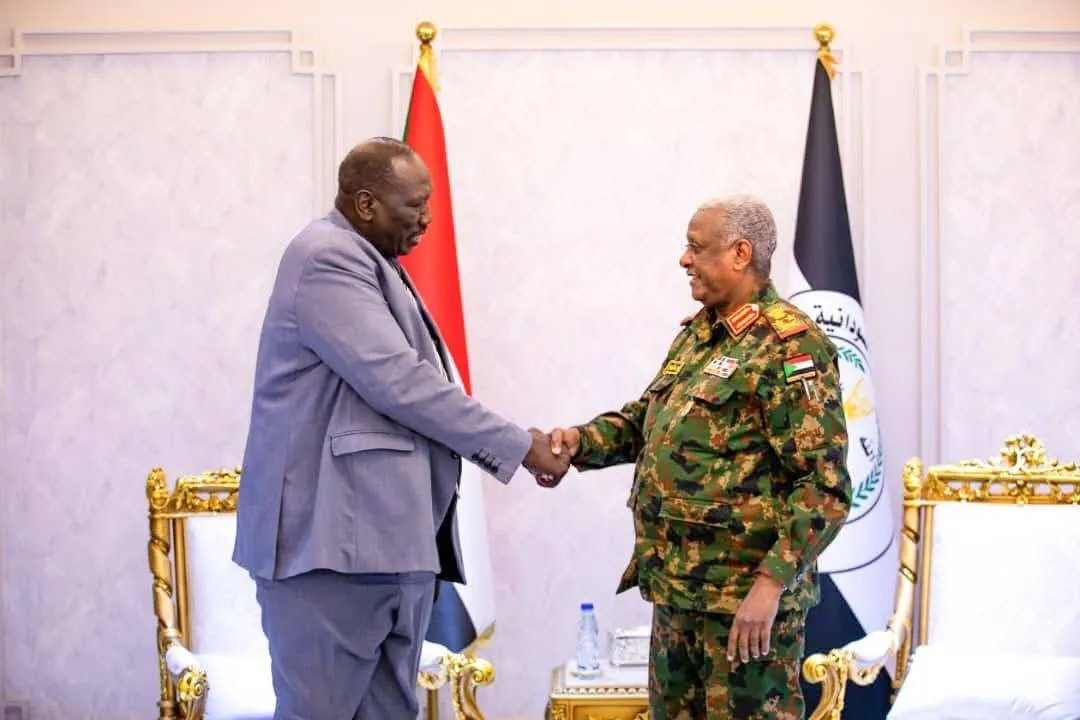
General Yasser Al-Atta, Chief of Staff of the Sudanese Army, confirmed ongoing military support in the Blue Nile region, which is witnessing an escalation in attacks by the Rapid Support Forces. Al-Atta's visit to Damazin, the capital of the region, aimed to assess operational and logistical conditions, emphasizing that the army is committed to defending the land and enhancing stability in the country.
During the visit, Al-Atta praised the victories achieved by the leadership of the Fourth Infantry Division, noting the recapture of the Kaili area, which reflects the continuous efforts of the armed forces to confront security challenges. This marks Al-Atta's second visit to the Blue Nile region in less than two weeks, following the announcement by the Rapid Support Forces of regaining control over the strategic Majqa area.
Details of the Event
Major General Ahmed Al-Omdah, Governor of the Blue Nile region, stated that Al-Atta's visit reflects the military leadership's commitment to continuing the fight until all national territory is cleared of rebellion. Al-Atta reaffirmed the army's commitment to supporting the region with combat units and additional military support to enhance the forces' capabilities across various fronts.
Al-Atta also reviewed the ongoing military operations aimed at defeating the remaining pockets of the Rapid Support Forces and the allied rebel forces led by Joseph Toka, with the goal of securing the region's borders with neighboring countries. Al-Omdah confirmed the heightened readiness of the army and supporting forces from the mobilized units to stand alongside the military leadership until victory is achieved.
Background & Context
These developments coincide with rising tensions in the Blue Nile region, where the Sudanese armed forces are facing increasing pressure from the Rapid Support Forces. Recent days have seen airstrikes carried out by the Sudanese army on several sites in Nyala, South Darfur, which is under the control of the Rapid Support Forces, reflecting an escalation of military operations in various areas.
Historically, the Blue Nile region has experienced ongoing conflicts, being a strategic area due to its geographical proximity to the Ethiopian border. The conflicts have exacerbated humanitarian conditions, necessitating continuous military interventions by the Sudanese government.
Impact & Consequences
These developments underscore the importance of strengthening the Sudanese armed forces in addressing security challenges. The ongoing military support reflects the government's strategy to regain control over areas affected by conflicts. These operations are expected to impact the security situation in the region, potentially altering the balance of power among the various parties involved.
The current situation requires high coordination between the armed forces and various government entities to ensure regional stability. Enhancing military capabilities may contribute to improving the security situation in the long term.
Regional Significance
The situation in Sudan has significant implications for regional security, as internal conflicts can affect neighboring countries. The escalation of military operations in the Blue Nile may raise concerns among neighboring nations, especially with existing border issues with Ethiopia.
The Sudanese government seeks to achieve stability in the region, which could enhance regional security and mitigate the impact of conflicts on neighboring countries. The stability of Sudan is vital for security in the Horn of Africa.
In conclusion, the situation in the Blue Nile region remains under observation, as the current circumstances require a swift and effective response from the Sudanese government to ensure security and stability in the area.