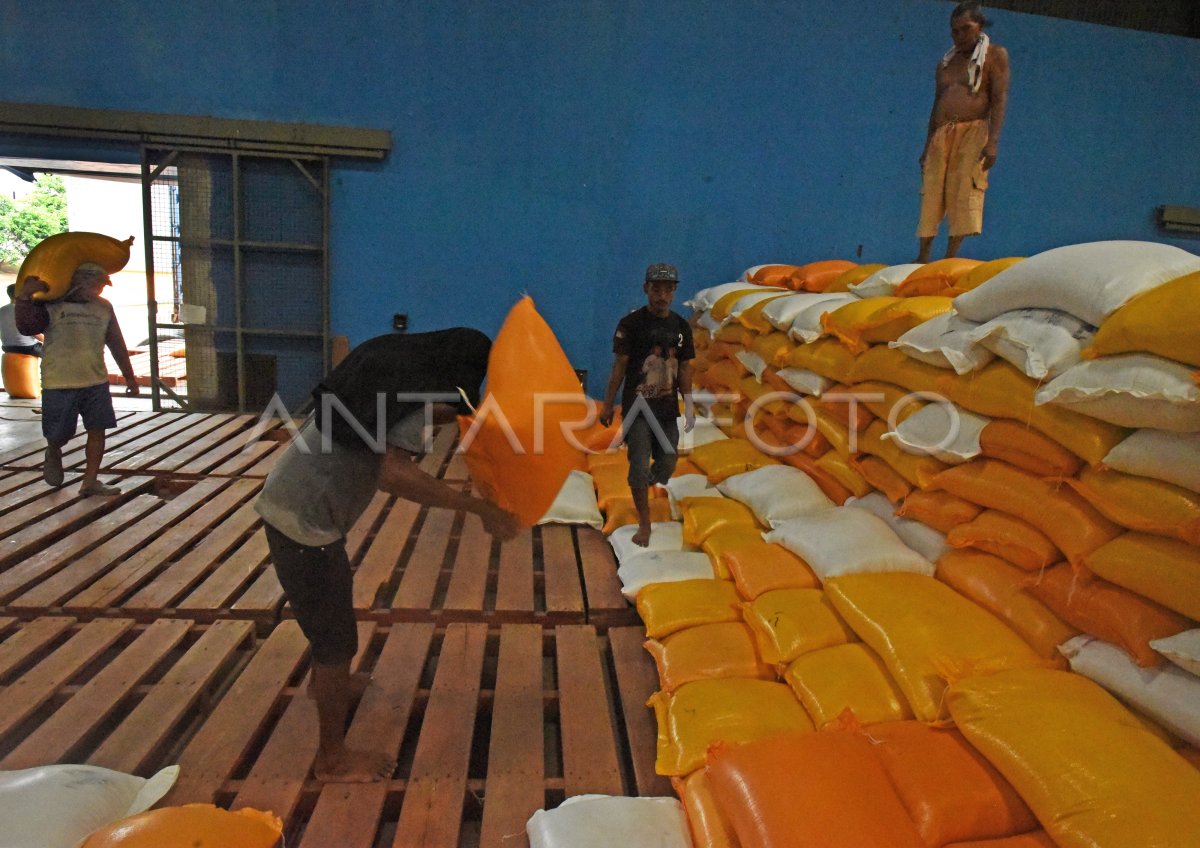
The Indonesian government has achieved a significant milestone in food security, with the national rice stock reaching 4.5 million tons. This announcement was made during the unloading of shipments at the 'Bolugh' warehouses in Ternate, North Maluku, showcasing the government's commitment to securing the food needs of its citizens.
This quantity of rice is sufficient to meet local market needs for an extended period, as the government aims to ensure price stability and avoid any shortages that could affect the population. This comes at a time when challenges related to food security are increasing in many countries around the world.
Details of the Event
The unloading of rice at the 'Bolugh' warehouses was attended by several government officials, who emphasized the importance of this stock in supporting market stability. It was also noted that the government is working to enhance strategic reserves to ensure the availability of rice at all times.
Indonesia is one of the largest rice producers in the world; however, climate changes and economic conditions can impact local production. Therefore, these reserves are considered an important step towards achieving food security.
Background & Context
Historically, Indonesia has relied heavily on agriculture to meet its food needs. However, the challenges facing the agricultural sector, including climate changes, have led to an increased reliance on strategic reserves. In recent years, the government has launched several initiatives to boost local production and improve rice quality.
These initiatives are part of a comprehensive plan aimed at achieving self-sufficiency in rice and reducing dependence on imports. The government also seeks to improve agricultural infrastructure and provide technical support to farmers.
Impact & Consequences
The increase in national rice stock is a positive sign that reflects the government's ability to manage food resources effectively. This may contribute to price stability and enhance citizens' confidence in the government's ability to meet their food needs.
On the other hand, this step may affect the regional market, as it could lead to increased competition among rice-producing countries. Additionally, enhancing reserves may contribute to improving trade relations with other nations.
Regional Significance
Considering the food situation in the Arab region, Indonesia's experience in enhancing rice stocks could serve as a model. Many Arab countries face challenges related to food security, making it essential to adopt similar strategies to ensure food availability.
Arab countries can benefit from Indonesia's experiences in improving local production and enhancing strategic reserves, which contributes to achieving food security in the region.