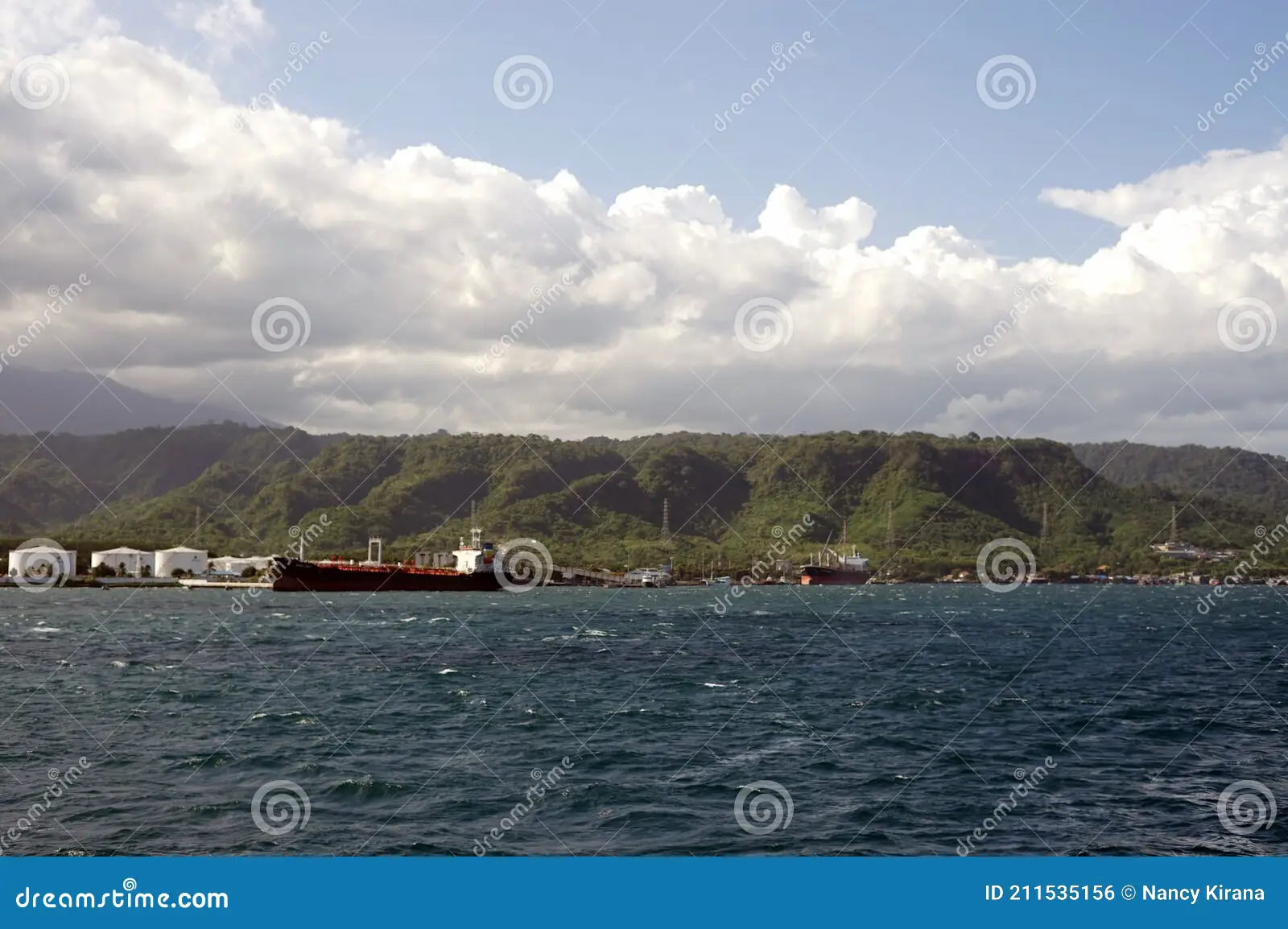
In a move aimed at facilitating passenger movement, the Indonesian company ASDP announced an increase in the number of ships operating at Ketapang port to 30 ships to cope with the peak return traffic after Eid al-Fitr. This decision comes at a time when the transit traffic between the islands of Java and Bali is witnessing a noticeable increase, with expectations that the number of vehicles returning to Bali will reach 20,000 vehicles today.
Yusuf Marciano, the Deputy General Manager of ASDP, stated that the company has implemented an intensive operational plan to address the anticipated congestion in transit traffic. He noted that the number of operating ships had previously reached 28 ships, and the increase was made in response to forecasts of increased traffic.
Event Details
Yusuf mentioned that traffic at the port was proceeding smoothly until Saturday afternoon, with no long waiting lines for travelers. He confirmed that the teams at the port are closely monitoring the situation, and if the increase in transit traffic continues, the company will add more ships to reach 40 ships.
Since the beginning of the holiday period until now, more than 5,000 vehicles have been recorded crossing from Java to Bali, reflecting an increase in traffic compared to previous years. Yusuf also indicated that the total number of travelers who crossed from Java to Bali since the start of the holiday reached 1,140,238 people, which represents a decrease of 1% compared to the same period last year.
Background & Context
The transit movement between the islands of Java and Bali is one of the most prominent annual events in Indonesia, as many Indonesians travel to Bali to celebrate Eid al-Fitr. Historically, this period has seen significant congestion at the ports, prompting authorities to take proactive measures to improve services and alleviate congestion.
The Indonesian government is always striving to improve maritime transport infrastructure, as these journeys represent an essential part of the local economy, especially in tourist areas like Bali. With the increasing population and rising travel traffic, enhancing services at the ports has become an urgent necessity.
Impact & Consequences
This increase in the number of ships is a positive step towards improving the travel experience, as it helps reduce waiting times and facilitates traffic flow. However, challenges remain, especially under changing weather conditions that may affect transit operations.
These measures are expected to impact the local economy in Bali, where many residents rely on tourism as a primary source of income. Additionally, improving maritime transport services may attract more tourists to the region, boosting economic activity.
Regional Significance
Although this news pertains to Indonesia, there are lessons that Arab countries can learn, especially those that rely on tourism and maritime transport. Enhancing transport services and facilitating passenger movement can have a positive impact on the local economy and enhance the visitor experience.
In conclusion, this event exemplifies how to manage crises in the transport sector, reflecting the importance of good planning and rapid response to changes in traffic flow.