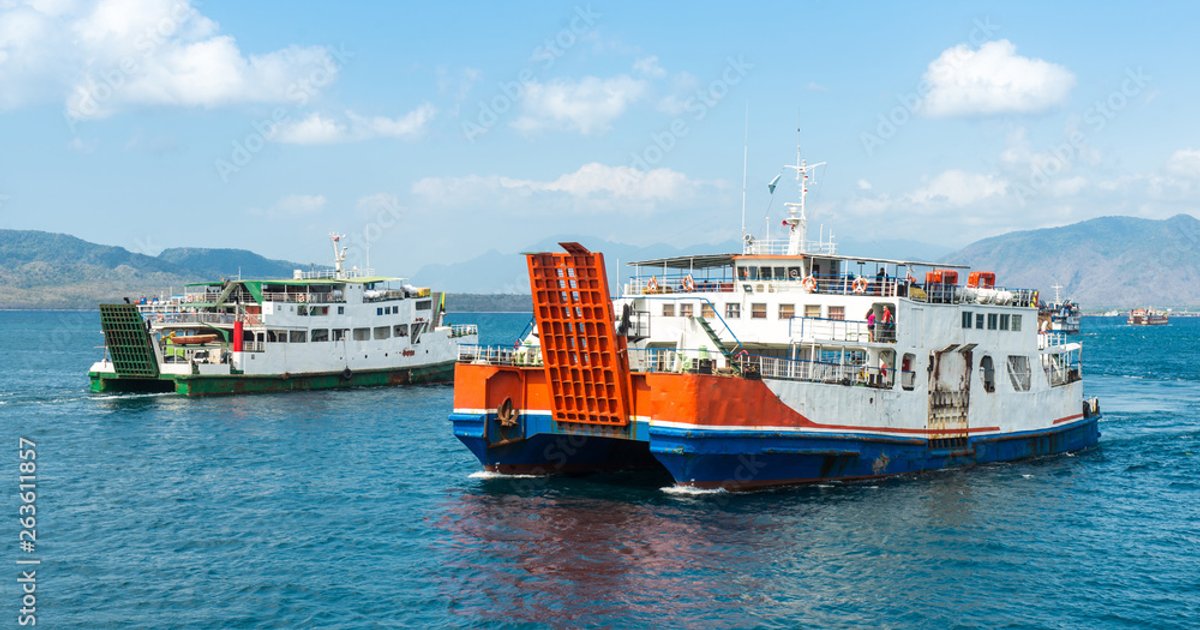
The Ketapang port in Banyuwangi, East Java, witnessed a massive influx of passengers, with thousands of travelers returning from Bali during the weekend. This congestion led the maritime transport authority to decide to add several ships to alleviate pressure on the port and ensure passenger safety.
The increase in the number of ships began on Saturday, with more trips allocated to accommodate travelers wishing to return home after a long holiday in Bali. Long queues of passengers were observed at the port, raising concerns among local authorities about potential delays or issues in organizing the trips.
Details of the Event
According to reports, the Ketapang port experienced unprecedented congestion, with thousands of tourists and residents flocking to the area. Officials indicated that this congestion was anticipated due to the increased number of visitors to Bali over the weekend, which is considered one of the most popular tourist destinations in Indonesia.
To manage this situation, the maritime transport authority added several new ships to the schedule, which helped reduce waiting times for passengers. Security and health measures at the port were also enhanced to ensure everyone's safety.
Background & Context
Bali is one of the most famous tourist destinations in Indonesia, attracting visitors from around the world due to its stunning beaches and rich culture. As the number of tourists has increased, the transport movement between Bali and Banyuwangi has become busier, necessitating ongoing improvements in transport infrastructure.
In recent years, Indonesia has seen significant growth in the tourism sector, leading to increased demand for maritime transport services. The government has developed new projects to improve ports and expand the fleet of ships, contributing to enhancing the travel experience for visitors.
Impact & Consequences
This increase in the number of ships is a positive step towards improving maritime transport services in Indonesia. Providing more options for passengers can help reduce congestion and improve the overall travel experience. This move also reflects the government's commitment to enhancing transport infrastructure and meeting the needs of both citizens and visitors.
However, the biggest challenge remains how to sustainably manage this increase in demand for maritime transport, especially as tourist numbers continue to rise. This requires ongoing investments in developing ports and ships, as well as improving services provided to passengers.
Regional Significance
Although this news pertains to Indonesia, there are lessons that Arab countries can learn, especially those that rely on tourism as a primary source of revenue. Arab nations can draw from Indonesia's experience in managing tourist transport and developing robust infrastructure that meets visitor needs.
Enhancing maritime transport services can also contribute to attracting more tourists to Arab regions, boosting the local economy and creating new job opportunities. Given the current economic challenges, investing in tourism and transport should be a priority for Arab countries.
The congestion at Ketapang port reflects the challenges facing the maritime transport industry in Indonesia, but it also represents an opportunity to improve services and meet traveler needs. By enhancing infrastructure and providing more options, governments can ensure a better travel experience for everyone.