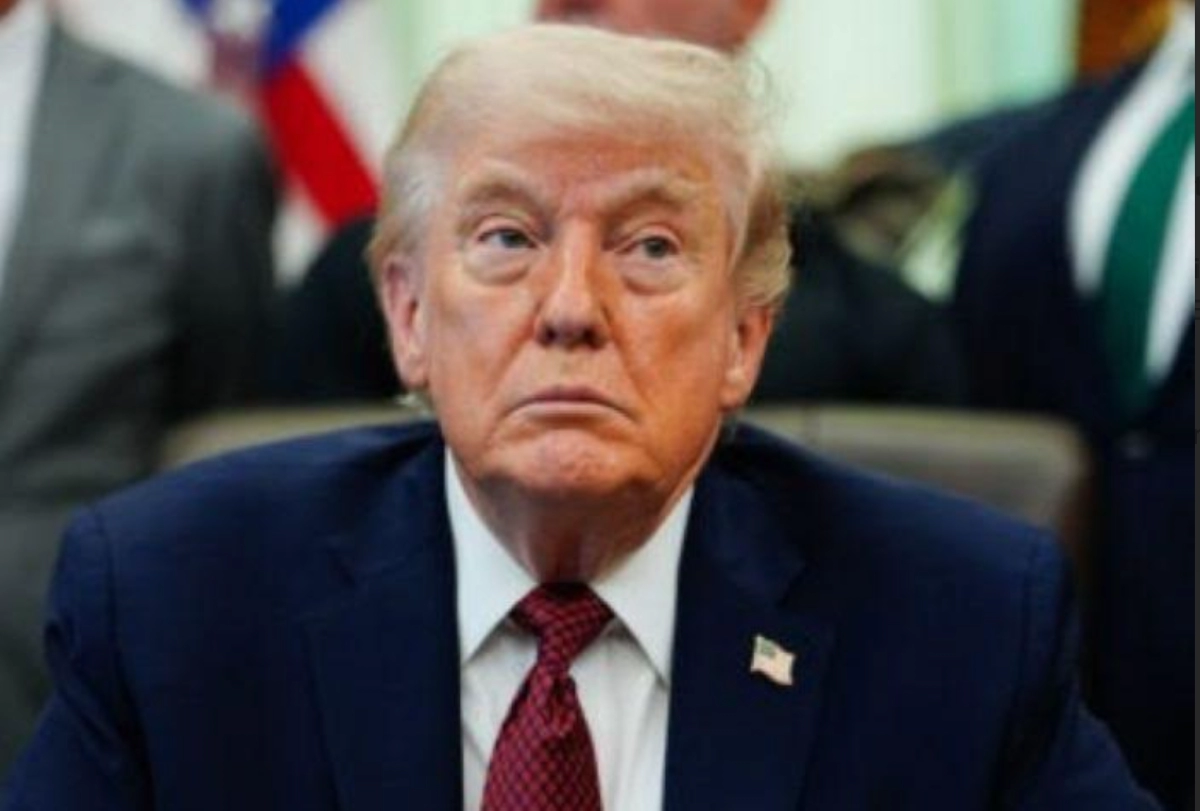
U.S. President Donald Trump has warned Iran to act wisely, stating that the Iranian leadership has failed to "organize its affairs." This comes at a time when efforts to resolve the conflict between Washington and Tehran seem to be at a standstill. Oil prices saw a new increase on Wednesday as traders reacted to the UAE's unexpected exit from OPEC, amid indications that the end of the Iranian war is not near.
Trump expressed his dissatisfaction with the recent proposal from Tehran to end the dispute and instructed his aides to prepare for an expanded blockade on Iran, according to reports published by the Wall Street Journal. Iran is expected to soon present a revised peace proposal after Trump indicated he would not accept the previous version.
Details of the Event
Brent crude oil futures for June rose by 3% to reach $114.64 per barrel at 6:00 AM Eastern Time, continuing gains after achieving its seventh consecutive positive session on Tuesday. West Texas Intermediate (WTI) crude for June also increased by 3.6%, reaching $103.54 per barrel. WTI futures have gained over 49% since the start of the U.S. and Israeli-led war against Iran on February 28.
This latest price increase comes amid reports that the U.S. is seeking to extend its blockade on Iranian ports, raising fears of prolonged disruptions in the strategic Strait of Hormuz. Analysts at Deutsche Bank noted that concerns about a prolonged inflationary recession have increased, as Brent contracts for delivery later this year are trading near their highest levels reached in late March.
Background & Context
Historically, relations between the U.S. and Iran have been tense, especially after Trump withdrew from the Iranian nuclear deal in 2018. Since then, the U.S. has imposed a series of sanctions on Iran, exacerbating the country's economic conditions. The ongoing military conflict in the region has significantly impacted global oil prices, as Iran is one of the largest oil producers in the world.
The UAE's exit from OPEC represents a significant shift in market dynamics, as the UAE was considered one of the key members of the organization. This exit could weaken OPEC's influence on oil prices, potentially leading to increased competition among oil-producing countries.
Impact & Consequences
The rise in oil prices could have negative effects on the global economy, as it may lead to increased living costs in many countries. Additionally, the ongoing conflict in Iran could exacerbate economic conditions in the region, potentially affecting political stability in Gulf countries.
At the same time, some importers may benefit from the reduced influence of OPEC, as this could lead to lower prices in the long term. However, the situation in the Gulf remains the primary driver of oil prices in the near future.
Regional Significance
For Arab countries, the continued rise in oil prices could directly impact their economies, especially those heavily reliant on oil exports. The ongoing conflict in Iran may also increase tensions in the region, affecting political stability in countries like Iraq and Syria.
In conclusion, the situation in the Gulf remains under close observation, as any new developments could significantly impact oil prices and global markets.